
Show summary Hide summary
- Where the Rift Began: Small Conflicts, Big Consequences
- Rocky’s Regrets: What He Wishes Had Been Different
- Key Moments That Shaped Public Perception
- Impact on Careers: Damage, Attention, and Creative Energy
- Lessons About Modern Hip-Hop Rivalries
- What Fans Should Watch Next
- Quotes and Moments That Matter
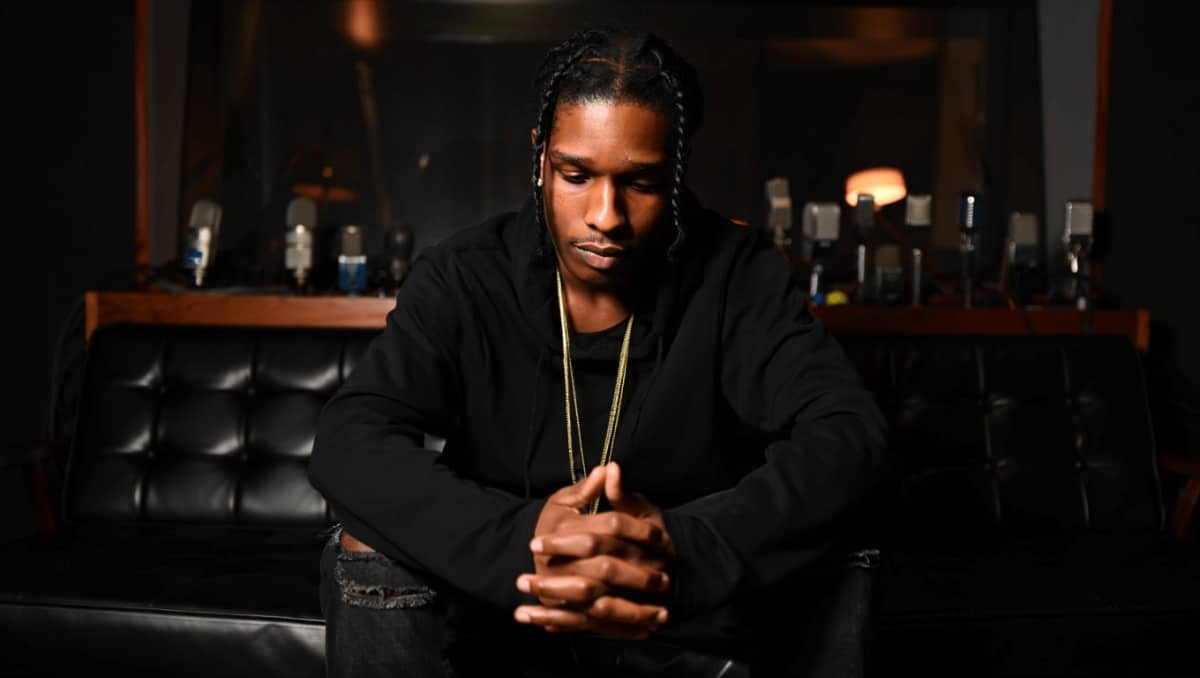
A$AP Rocky has opened up about the tension with Drake in a way that blends regret, context, and a candid look at hip-hop’s competitive culture. In a recent conversation, Rocky dissected the origins of their feud, admitted mistakes, and reflected on how ego and outside influence escalated a clash that might have been avoided. The revelation adds a new layer to a story fans have watched unfold in headlines and social feeds.
Where the Rift Began: Small Conflicts, Big Consequences
What started as a handful of offhand comments and business disagreements grew into a full-blown public dispute. Rocky explained that the friction did not spring from a single dramatic event. Instead, it built up slowly through misunderstandings, perceived slights, and the pressure of high-profile careers.
Nas slams music industry over disrespect: teases new music, vows to address it
1992 vocal performances: 3 jaw-dropping moments that still amaze
- Minor disputes over collaborations, credits, and social media posts seeded tension.
- Friends and associates sometimes amplified messages, turning private grievances into public narratives.
- The music industry’s competitive nature made the issue feel more personal than it really was.
Rocky’s Regrets: What He Wishes Had Been Different
In his remarks, Rocky stressed several things he would change if he could. He admitted to letting pride shape his responses. He also acknowledged how quickly small comments can be amplified.
- He regrets letting emotion dictate public responses.
- He wishes he had sought direct conversation before airing grievances.
- He would prefer focusing on the music rather than fueling headlines.
Rocky emphasized that clearer communication and humility could have prevented much of the fallout.
Key Moments That Shaped Public Perception
Several incidents pushed the feud into the spotlight. Rocky described how timing, public appearances, and a few pointed lyrics created a cycle of escalation. These moments were not all dramatic alone, but together they formed a persistent story.
- A series of ambiguous social media posts that fans interpreted as provocation.
- Comments made in interviews, taken out of context and replayed across outlets.
- Competitive performances and indirect references in songs that fed the narrative.
How Media and Fans Fueled the Story
Rocky noted that media outlets and fan communities often treated the feud like serialized drama. Each new appearance or lyric became fodder for speculation. That environment made reconciliation harder.
Impact on Careers: Damage, Attention, and Creative Energy
The dispute affected perception more than it did the artists’ output. Both men continued to release music and tour. But Rocky admits the feud diverted energy away from artistry at times.
- Brand opportunities can be affected by ongoing public disputes.
- Fans split into camps, which sometimes overshadows the music itself.
- At the same time, controversy can increase visibility and streaming numbers.
Rocky said the trade-off between attention and artistic focus was real and often regrettable.
Lessons About Modern Hip-Hop Rivalries
The exchange between Rocky and Drake highlights wider trends in the genre. Feuds today move faster and farther than before. Social platforms let small sparks become major storylines.
- Instant sharing amplifies misunderstandings.
- Third-party commentary can harden positions without direct communication.
- Artists risk sacrificing long-term relationships for short-term viral moments.
What Fans Should Watch Next
Rocky’s comments open the door for potential reconciliation or at least de-escalation. Observers will watch for direct dialogue, joint appearances, or collaborative moves that suggest a thaw.
- Look for interviews where both artists address the issue candidly.
- Notice musical gestures, like shout-outs or collaborations.
- Pay attention to mutual friends and industry figures who might broker peace.
Quotes and Moments That Matter
The interview included a few lines that stood out for their honesty. Rocky spoke without the usual guarded posture. Those moments gave context to the regrets he shared.
- “I let pride talk for me,” he said, pointing to public reactions he now regrets.
- He also acknowledged that outside noise made reconciliation harder.
- Finally, he suggested that future conflicts might be handled more privately.










