Show summary Hide summary
- PJ Harvey — A title song that rips open the record (To Bring You My Love)
- Presidents of the United States of America — A playful, offbeat kickoff (Kitty)
- Nine Inch Nails — Industrial defiance as a formal entrance (Head Like a Hole)
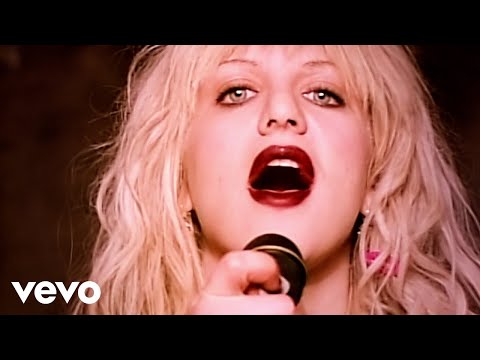
- Hole — Beginning in the middle of the storm (Violet, Live Through This)
An album’s first track can act like an opening scene in a film. It prepares you, provokes you, or surprises you. In 90s rock, the right opener could define a record’s mood, message, and myth. Below are four standout first tracks that shaped their albums and stuck in listeners’ heads.
PJ Harvey — A title song that rips open the record (To Bring You My Love)
PJ Harvey chose to begin her 1995 album with the very song that names the record. The move was bold. The track opens slowly, then grows into a visceral, aching cry.
Nas slams music industry over disrespect: teases new music, vows to address it
1992 vocal performances: 3 jaw-dropping moments that still amaze
Harvey layers simple rhythms and sparse instrumentation before letting her voice climb into raw emotion. The lyrics paint intense, often biblical images — fires, floods, deserts — and she sings as if bargaining with forces larger than herself. That tone becomes the album’s emotional compass.
The opener does more than introduce songs; it sets a ritual. From there the record unfolds like a series of confessions and confrontations. The title track’s patient build and unapologetic pain make the listener lean in and stay there.
Presidents of the United States of America — A playful, offbeat kickoff (Kitty)
The Presidents’ debut album greets listeners with a cheeky, memorable starter: “Kitty.” The song wastes no time getting absurd.
It begins with literal meowing and a sing-song chorus that repeats a simple, humorous line. That contrast — silly imagery against tight alt-rock grooves — announces what the rest of the album will be: catchy, weird, and unapologetically fun.
- Album: self-titled debut (1995)
- Other hits on the record: “Lump,” “Peaches,” “Back Porch”
- Opener style: playful, immediate, and hook-driven
“Kitty” signals that this is not a somber record. It primes listeners for clever lyrics and irreverent hooks, making the debut feel cohesive and distinct from the very first bar.
Nine Inch Nails — Industrial defiance as a formal entrance (Head Like a Hole)
Although released at the tail end of 1989, Nine Inch Nails’ debut lands culturally in the early 90s. Its opening track, “Head Like a Hole,” erupts like a wake-up call.
Trent Reznor built the record largely by himself, in makeshift setups, and that DIY grit shows. The production is rough around the edges, but the energy is unmatched. The song’s aggressive electronics, pounding beats, and blunt lyrics announce rebellion and urgency.
The opener functions like a curtain rip. It tells the listener to expect an intense, often unsettling journey. That promise is kept throughout the album, which feels like a compact, transformative performance.
Hole — Beginning in the middle of the storm (Violet, Live Through This)
Hole’s Live Through This opens with “Violet,” a track that drops you in as if the story was already underway. There’s no tidy setup; you walk into the middle of an argument or confession.
Recorded in 1993 and released in 1994, the album arrived during turbulent times for the band. Public speculation and personal tragedy swirled around its release. Against that backdrop, “Violet” serves as a blunt emotional entry point.
The song’s sparse opening chords give way to a jagged, cathartic chorus. Courtney Love’s vocals alternate between wounded and furious. Musically and lyrically, the track forces listeners to confront complexity and contradiction.
Starting an album “in medias res” makes the record feel alive. The opening line that jumps right into a sentence creates continuity with the album’s final moments, making the whole listening experience cyclical and urgent.
What these openers share — quick notes for listeners
- They define mood quickly — within seconds.
- Each opener foreshadows themes across the record.
- Some use shock or humor; others use raw emotion.
- All commit to a clear tonal identity from the start.