Show summary Hide summary
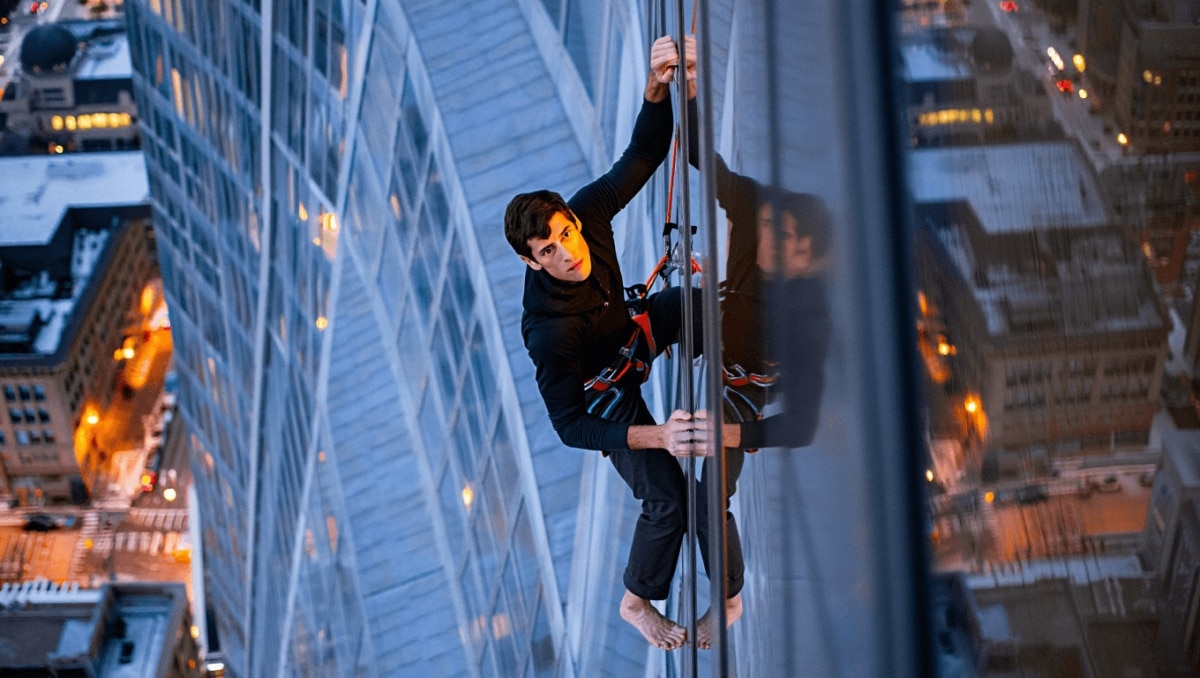
Alex Honnold shocked the climbing world again by free soloing the tallest known urban structure without ropes. The ascent set a new benchmark for city climbing, and Honnold did much of it with rock music in his ears — a playlist heavy on Tool that he made months before the event.
How the landmark urban free solo came together
The climber tackled the skyscraper in a single, live ascent that drew international attention. Production crews, safety planners, and a live audience watched as Honnold moved upward in real time. He had trained specifically for the route and rehearsed timing, breathing, and rhythm.
Nas slams music industry over disrespect: teases new music, vows to address it
1992 vocal performances: 3 jaw-dropping moments that still amaze
- Location: a major city skyscraper that now stands as the highest urban free solo on record.
- Format: a one-off live event instead of a filmed documentary shoot.
- Preparation: months of training and careful pacing practice for each segment of the climb.
Why music was central to his performance
Honnold explained that music helped him maintain pace and frame time during the climb. He created a playlist while driving months earlier and shared it with the production team. The list leaned toward heavier rock, with Tool featured prominently.
How songs shaped the climb
- Tracks acted like a clock: he could judge speed by song lengths.
- He trained to the same music repeatedly, embedding timing into muscle memory.
- Despite audio dropouts during parts of the event, the music still influenced his rhythm.
Music served less as entertainment and more as a pacing tool that helped Honnold gauge whether he was moving too slowly or too quickly.
Details about the playlist and technical hiccups
The playlist was a personal selection Honnold used in training. He said it was a “rock” mix that he’d enjoyed for years and that he had shared it with the crew ahead of the climb. During the live event, his headphones intermittently lost sound, but he continued regardless.
- Playlist created months earlier, curated while driving.
- Shared with production so the event could mirror his training tempo.
- Audio interruptions occurred, but did not stop the ascent.
How this live climb differed from filming Free Solo
Honnold contrasted the live spectacle with the lengthy, meticulous process of shooting a documentary. In a filmed production, climbers often return to the wall for multiple takes, close-ups, and different lighting. The live format simplified that process.
- Live event: one climb, then it’s finished.
- Film shoots: numerous additional sessions for angles and conditions.
- Live climbs reduce extended wall time and the extra workload that comes with filming.
He described the live experience as cleaner and more immediate because the performance concludes once the ascent is complete.
The personal impact: climbing as a career and family support
Honnold reflected on how the success of his documentary years ago reshaped his life. He reorganized his career to prioritize climbing and built a lifestyle that lets him climb professionally while providing for his family.
- He built a career around rock climbing.
- Monetizing climbs and appearances enabled full-time pursuit of the sport.
- The recent project fits into that strategy and feels personally meaningful.
The result, he said, is a life where he can climb often and support his family — a balance he describes as ideal.