
Show summary Hide summary
- How a big arena run produced little pay for Witch Fever
- Taxes, Brexit and the mechanics that reduced payouts
- The personal cost: income, inheritance and uncertain work
- Band’s public comments and where they aired
- Fans, labels and the wider industry debate
- What this reveals about modern touring economics
- Steps artists and managers can consider
- Voices from the band and public reaction
After two months of playing to arena crowds, U.K. doom-punk band Witch Fever returned home to discover almost none of the tour earnings were available. What sounded like a breakthrough — arenas, international dates and thousands of fans — instead exposed how touring costs, cross-border tax rules and hidden fees can leave artists with next to nothing.
How a big arena run produced little pay for Witch Fever
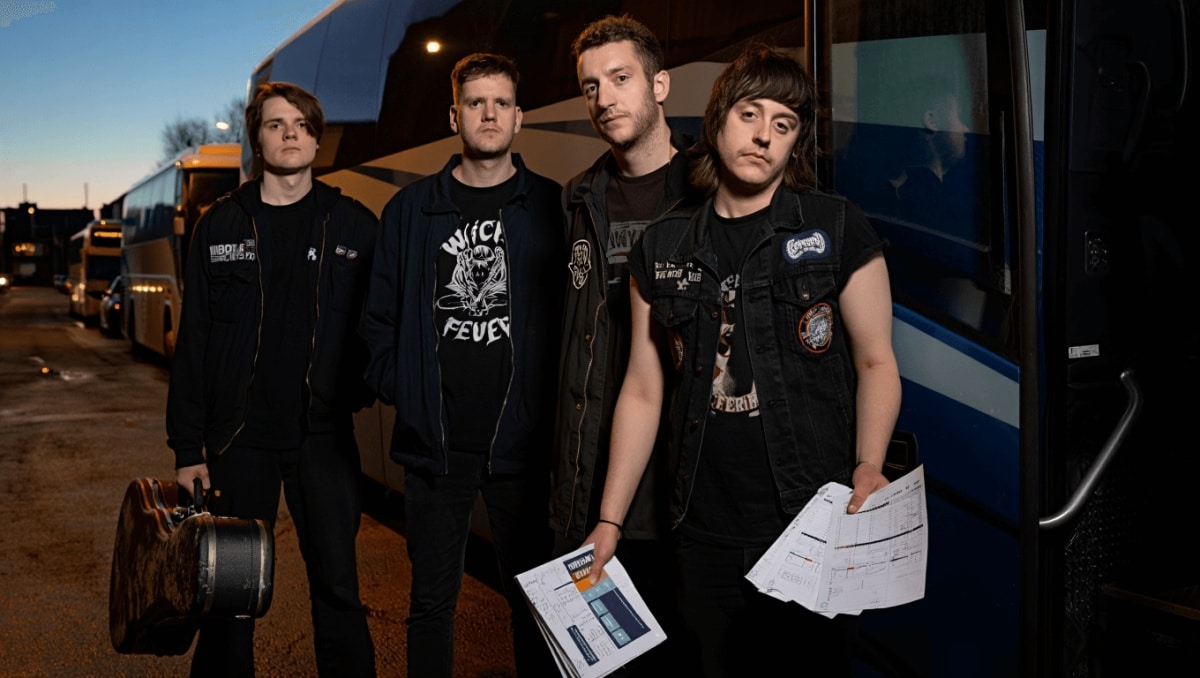
Witch Fever joined Danish metal act Volbeat on their 2025 arena tour. The run included major stops such as Wembley Arena and several large European venues.
Nas slams music industry over disrespect: teases new music, vows to address it
1992 vocal performances: 3 jaw-dropping moments that still amaze
Band members say the tour forced them to quit day jobs. They expected the shows to produce a meaningful income. Instead, much of the money was withheld or swallowed by fees before it reached the band.
- Large crowds did not equal net income — ticket sales and venue size didn’t translate into cash in hand.
- Withholding across territories tied up the band’s share of earnings, making it unavailable after the tour ended.
- Operational and travel costs rose while paybacks were delayed by administrative processes.
Taxes, Brexit and the mechanics that reduced payouts
The band has pointed to cross-border tax rules as a major factor. When artists play shows in multiple countries, promoters and tax authorities often apply withholding at source.
Witch Fever described the situation as effectively a form of double taxation. Revenue earned abroad was subject to tax rules overseas and then reconciled with U.K. tax obligations.
Why withholding matters for touring acts
- Promoters may withhold a portion of fees to meet local tax requirements.
- Reclaiming withheld sums can take months and requires paperwork.
- Smaller bands can lack the accounting resources to navigate refunds quickly.
The band also linked some of the complications to post-Brexit arrangements, which have made cross-border financial settlements more complex for U.K.-based musicians.
The personal cost: income, inheritance and uncertain work
Members of Witch Fever described serious personal strain. One musician said she is living on a small inheritance left after a family bereavement.
They explained that touring prevented them from holding regular jobs between runs. Returning home briefly did not create an opportunity to earn stable income, as hotels and employers are reluctant to take on staff who will soon be on the road again.
- Quitting day jobs to tour removed safety nets.
- Short-term savings are eroded by living costs while waiting for withheld funds.
- Employment gaps make finding interim work harder for touring artists.
Band’s public comments and where they aired
Witch Fever detailed these issues during an appearance on the 101 Part Time Jobs podcast. They used the platform to lay out how arena bookings didn’t equal financial security.
Their candid account sparked social media reaction. Fans and followers weighed in quickly.
Fans, labels and the wider industry debate
Some social-media users blamed the band’s record label for the financial shortfall. Witch Fever responded by defending their label, saying support and campaign investment had been significant.
They emphasized that the problem is structural across the music business, not solely the work of one company.
- Supporters argued labels provide promotional muscle and tour backing.
- Others highlighted systemic issues: low fees for support acts and opaque cost-sharing.
- Many comments redirected the conversation to industry-wide reforms for fairer pay.
What this reveals about modern touring economics
The band’s experience highlights persistent gaps between headline exposure and take-home pay. Large audiences and arena billing do not guarantee financial stability for opening acts.
Key challenges include:
- Complex tax regimes when performing across many countries.
- High fixed costs for travel, crew and equipment.
- Delayed payments and administrative holds on revenue.
For many artists, these factors combine to make touring a financial risk as much as a career-building opportunity.
Steps artists and managers can consider
While the system can be unforgiving, there are practical steps bands can explore to improve cash flow and reduce exposure.
- Hire specialist accountants who understand international touring taxes.
- Negotiate clearer payment schedules and guarantees in contracts.
- Plan tours with contingency funds for withholding and refunds.
- Document expenses and pursue tax reliefs or reimbursements where eligible.
Voices from the band and public reaction
Witch Fever framed their message as a wider alarm about how the live-music economy currently operates. They urged transparency and discussed the emotional strain touring brings.
Responses from fans showed a mix of anger, sympathy and calls for industry accountability. The band’s defenders reminded critics that labels and promoters also face financial constraints.










