
Show summary Hide summary
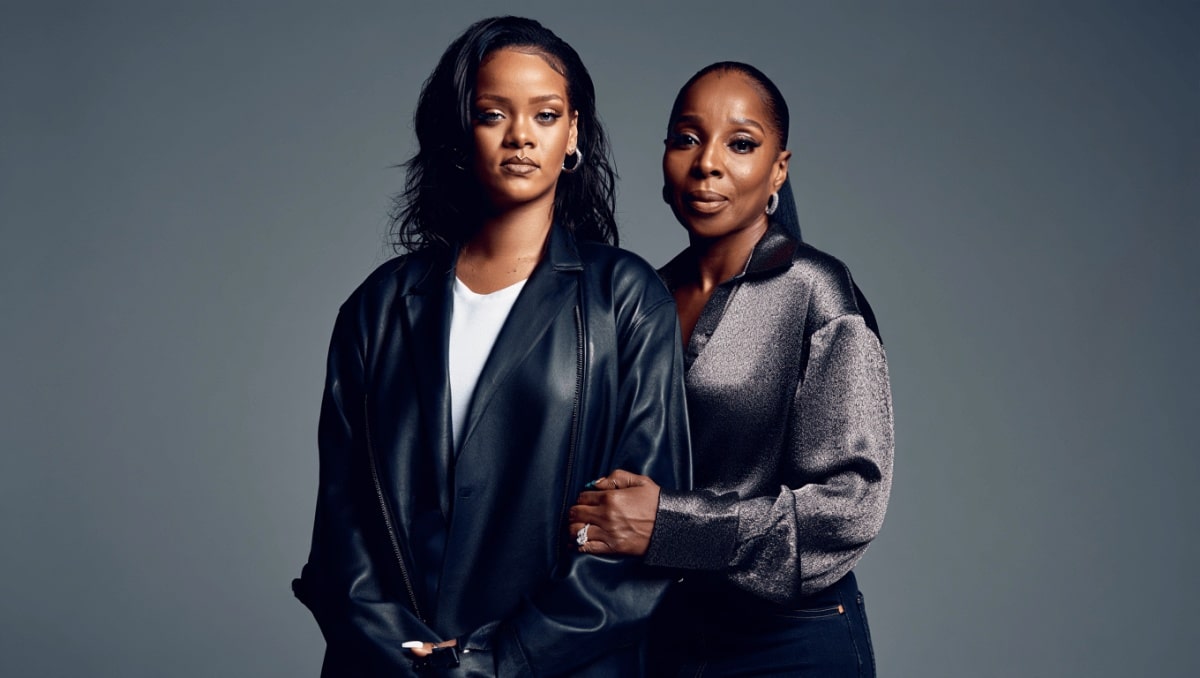
It’s rare to imagine a world where a global pop anthem belonged to a different voice. Mary J. Blige revealed that she once passed on a song that later became one of Rihanna’s signature hits. The story mixes timing, instinct and a hitmakers’ demo that found its perfect home elsewhere.
How a demo moved between stars until it found Rihanna
In a recent conversation on a Brooklyn-based talk show, Mary J. Blige described being offered the track when she was at the peak of her mid-2000s success. Top producers Tricky Stewart and The-Dream had brought her the demo during sessions that followed the era of The Breakthrough.
Nas slams music industry over disrespect: teases new music, vows to address it
1992 vocal performances: 3 jaw-dropping moments that still amaze
Rather than taking it, she felt the song belonged to a different artist. When Rihanna released the final version, it became a worldwide sensation, reaching the top of the charts and defining a new era for the Barbadian singer.
Why the song didn’t feel meant for Mary
Blige explained she relied on instinct to decide what fit her sound. The demo included playful vocal hooks and a rhythmic style that didn’t align with her R&B persona at the time. She worried her audience would react oddly to that direction.
- Artistic fit: The groove and lyrical delivery felt outside her established palette.
- Audience expectations: She believed longtime fans expected a different tone from her work.
- Timing: She was pursuing other projects after a major album success and chose to pass.
Other big names who almost recorded the song
The track wasn’t only offered to Blige. Pop star Britney Spears was reportedly in consideration before the song landed with Rihanna. This highlights how songs in pop often move through several hands.
- Top producers shop demos to multiple artists.
- An artist’s choice can reshape a song’s destiny.
- When the right match happens, a demo can become a career-defining single.
The producers and the turning point
Producers The-Dream and Tricky Stewart were pivotal in the song’s creation and in pitching it to artists. Their track record of crafting hits means demos often change direction based on the performer who ultimately embraces them.
What the producers did next
After Mary declined, the producers repackaged the song for other singers. When Rihanna recorded it, the arrangement and vocal approach were molded to suit her distinct edge. The result was a polished pop-R&B hybrid that resonated globally.
Where Mary’s career went after passing
Mary J. Blige didn’t suffer for saying no. She released successful material soon after, including the upbeat single “Just Fine” from the Growing Pains album. The choice to decline shows how established artists protect their creative identity.
- Short-term: She continued to chart and tour.
- Long-term: Her legacy remained intact, independent of any single passed-over hit.
Why these stories matter to music fans
Behind many well-known songs are detours and near-misses. Demos travel, get reshaped, and eventually land where they click. That creative handoff process explains why some songs become signatures for unexpected voices.










