Show summary Hide summary
Controversy has been woven into hip-hop since its earliest days. Artists pushed boundaries — musically, culturally and politically — and their songs often ignited debates far beyond the record store. This piece explores five songs that provoked outrage yet grew into defining moments for the culture. Read on to revisit the tracks that challenged authority, censorship, and social norms.
Why certain rap songs become lightning rods for debate
Not every provocative verse collapses a career. Sometimes shock fuels a wider conversation. A mix of vivid storytelling, blunt politics, and sexual frankness can upset institutions. But those same elements can also make a track impossible to ignore.
Nas slams music industry over disrespect: teases new music, vows to address it
1992 vocal performances: 3 jaw-dropping moments that still amaze
- N.W.A. — “Fuck Tha Police” (1988)
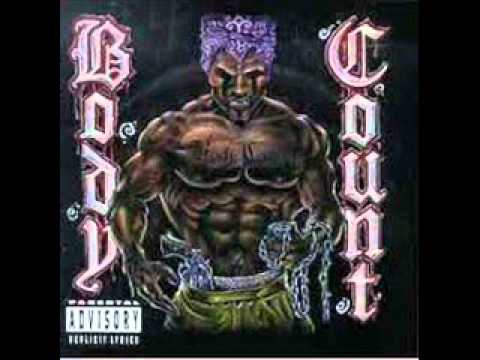
- Body Count — “Cop Killer” (1992)
- Cardi B & Megan Thee Stallion — “WAP” (2020)
- Eminem — “Kim” (2000)
- 2 Live Crew — “Me So Horny” (1989)
When rap confronted policing and power
Hip-hop has long been a platform for protest. Two tracks that singled out law enforcement triggered national controversy and forced officials to respond.
N.W.A. and the song that drew federal attention
N.W.A.’s blunt protest captured Los Angeles rage. The record prompted a formal response from a federal agency. A letter from an FBI official criticized the song and voiced concern about its potential effects.
The backlash included radio blacklists and heated public debate. Still, the track endured as a protest anthem. Its rawness made it a touchstone for artists who see music as a vehicle for social critique.
Ice-T’s Body Count and a story told with violent imagery
Ice-T used a heavy metal-rap hybrid to dramatize anger toward corrupt policing. The song framed revenge as fictional, but its vivid scenario sparked moral panic. Critics demanded bans; activists claimed the record exposed real grievances.
Ice-T later explained his intent as a critique of abuse of power rather than a literal call to violence. He continued working in entertainment and even portrayed law-enforcement roles. The controversy didn’t end his career; it reframed his public persona.
Explicit sexual expression that became a cultural flashpoint
Sexual lyricism has repeatedly unsettled conservative commentators. One recent hit turned that discomfort into a viral spectacle.
How “WAP” turned private desire into front-page debate
When Cardi B and Megan Thee Stallion released “WAP,” cable networks and pundits criticized its explicitness. Yet streaming numbers and chart positions told a different story.
The song’s candid celebration of female desire sparked conversations about consent and autonomy. Critics framed it as obscene; supporters hailed it as empowerment. Despite the uproar, “WAP” dominated social feeds and year-end lists, proving that controversy can amplify a song’s reach.
Dark storytelling and horrorcore’s place in rap
Graphic narratives and shock tactics are a long-standing strain in hip-hop. Some of the most unsettling songs used theatrical violence to create a visceral reaction.
Eminem’s “Kim” and the power of transgressive drama
Eminem pushed horror-tinged storytelling to extremes with a track that reads like a staged breakdown. It unnerved mainstream audiences and amplified debates about artistic limits.
While “Kim” wasn’t designed as a radio hit, it has remained notorious among fans and critics. The track showed how raw personal conflict, rendered with cinematic detail, can be both repellent and compelling. Its intensity helped solidify Eminem’s status as a provocative voice in rap.
Early battles over obscenity and the birth of open sexuality in rap
Before streaming, legal fights over explicit lyrics shaped the industry. One Miami group became emblematic of that clash.
2 Live Crew, courtroom fights, and a new blueprint for explicit music
2 Live Crew’s bass-heavy tracks foregrounded sex and comedy in a way few acts had dared. Their songs led to arrests, trials, and debates over whether music could be labeled obscene.
Those legal skirmishes were more than headline fodder. They set precedents that protected artistic expression and opened doors for future artists. By challenging censorship, 2 Live Crew helped make room for the next wave of explicit hip-hop.