Show summary Hide summary
- 10,000 Maniacs revives a Patti Smith classic with a 1993 unplugged twist
- Nirvana’s haunting Unplugged take on David Bowie’s 1970 song
- Celine Dion turned an obscure 1989 track into a 1996 powerhouse ballad
- Smash Mouth’s 1999 single has roots back to the 1960s
- They Might Be Giants reimagined a 1953 novelty song into an upbeat modern favorite
Some of the biggest 1990s radio moments were not original songs at all. Several hits from that decade are covers of much older tracks, some dating back to the 1950s and 60s. Below we trace the surprising origins of five well-known 90s recordings and show how each band or singer reshaped these tunes for a new generation.
10,000 Maniacs revives a Patti Smith classic with a 1993 unplugged twist
How the song made its way from the 70s to the 90s
Nas slams music industry over disrespect: teases new music, vows to address it
1992 vocal performances: 3 jaw-dropping moments that still amaze
Patti Smith first recorded the song in 1978, with help from Bruce Springsteen on the chorus. It was Smith’s biggest pop hit and entered the mainstream charts.
10,000 Maniacs’ version and its chart footprint
During an MTV Unplugged session, 10,000 Maniacs recorded a stripped-down live take led by Natalie Merchant. Their 1993 performance turned the familiar melody into a soft rock staple for their era.
- Original: Patti Smith Group, 1978.
- Notable cover: 10,000 Maniacs, MTV Unplugged, 1993.
- Result: The cover became one of the band’s most recognized tracks.
Nirvana’s haunting Unplugged take on David Bowie’s 1970 song
From Bowie’s glam-rock original to Nirvana’s intimate cover
David Bowie released the track in 1970. It carried his signature art-rock mood and later drew the attention of grunge musicians.
Why Nirvana’s version feels different
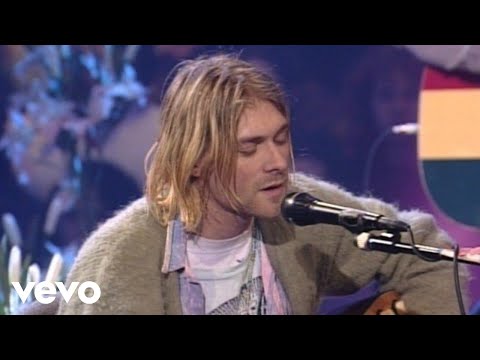
Nirvana recorded an acoustic rendition during their MTV Unplugged set. The arrangement traded glam bravado for quiet intensity, giving the lyrics a new emotional edge.
Aftermath and critical reaction
The Unplugged album appeared months after Kurt Cobain’s death and added a tragic resonance to the performance. Bowie later remarked that Nirvana’s take seemed almost like a separate song, noting a spiritual quality in the cover.
Celine Dion turned an obscure 1989 track into a 1996 powerhouse ballad
The song’s pre-Dion history
The original recording came from a late-80s project called Pandora’s Box. That version did not break into the U.S. market as intended.
Dion’s recording and its impact
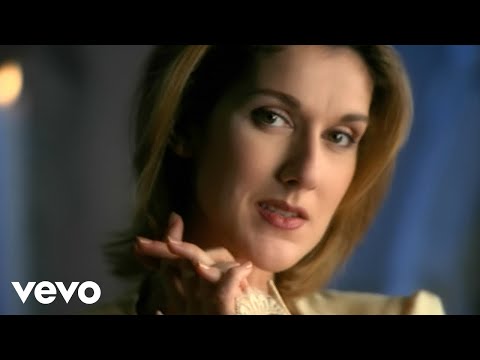
Celine Dion recorded the song for her 1996 album. Her vocal delivery and a revised backing track propelled the single to wide commercial success. The recording is now strongly associated with Dion.
A personal connection for the original singer
Elaine Caswell, a vocalist who sang on the Pandora’s Box release, later provided backing vocals for Dion. She recalled emotional reactions when Dion’s version became famous.
Smash Mouth’s 1999 single has roots back to the 1960s
A song that changed faces across decades
The tune was first recorded in the mid-1960s and resurfaced in several guises before Smash Mouth’s late-90s take.
- 1965: Four Seasons recorded the earliest known version.
- 1967: ? and the Mysterians offered their own rendition.
- 1985: The Colourfield revived the song for a movie soundtrack.
- 1998–1999: Smash Mouth recorded a high-energy version used in a teen film and released it as a single.
What Smash Mouth added
The band pushed the arrangement toward a late-90s pop-rock sound. The cover fit the era’s movie tie-ins and youth culture aesthetics, giving the old tune new life for a younger audience.
They Might Be Giants reimagined a 1953 novelty song into an upbeat modern favorite
The original novelty and its history
The song debuted as a novelty number in 1953, written to mark a historical anniversary. It was recorded by a vocal group known for tight harmonies.
They Might Be Giants’ fast-paced makeover
In 1990 the band released a brisk, quirky version that leaned into rapid tempos and deadpan delivery. The result felt fresh yet respectful of the original’s playful spirit.
Why this cover stuck
The faster tempo and energetic arrangement turned the song into something close to a folk-polka hybrid. That drive helped it stand out among other covers, including versions by puppets and novelty acts.