
Show summary Hide summary
Thirty-eight years ago, a prominent rock manager found himself at the center of a headline-making smuggling case that tied the music business to an international drug operation. The episode reshaped his public image and led to an unusual court-ordered public outreach campaign featuring some of the era’s biggest rock names.
How a music manager became entangled in an international marijuana smuggling probe
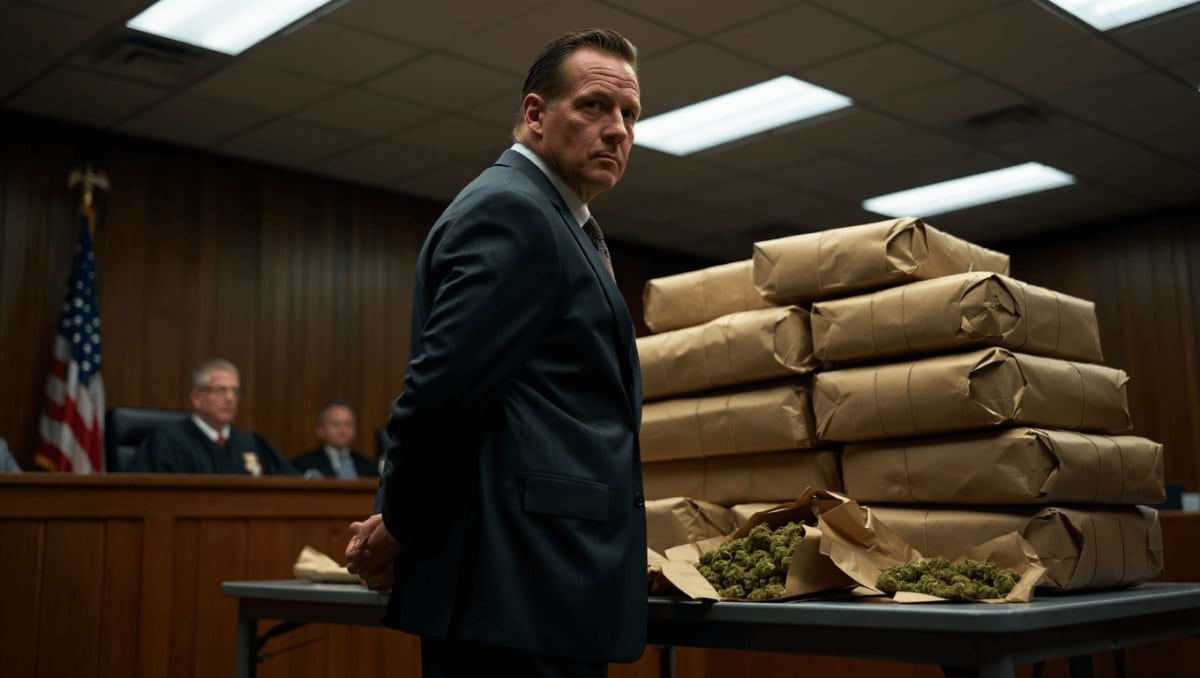
In the early 1980s, authorities say a shipment arrived by sea that would trigger a federal investigation. Prosecutors later accused the manager of serving as a middleman for an overseas ring.
Nas slams music industry over disrespect: teases new music, vows to address it
1992 vocal performances: 3 jaw-dropping moments that still amaze
- Shipment size: Authorities reported over 40,000 pounds of marijuana.
- Year of the landing: The act that prompted the probe took place in 1982.
- Plea and timing: In January 1988, the manager entered a guilty plea tied to nearly 19 tons delivered to Carteret County, North Carolina.
The man at the center of the case had built his career managing major acts. He admitted to introducing a smuggler to a contact who could source marijuana from South America. He denied being a hands-on trafficker.
Judicial terms and an unconventional sentence designed for outreach
The judge combined short-term confinement with fines and a mandate to run an anti-drug initiative. The penalties mixed punishment with public service.
Key components of the court order
- Six months in a community treatment center (180 days).
- A fine of $15,000.
- A requirement to create and fund an anti-drug organization.
- An obligation to invest $250,000 and commit 3,000 hours to the nonprofit’s activities.
- Production of anti-drug materials: a documentary, a recording, and brochures featuring rock performers.
Turning legal fallout into a celebrity-led prevention effort
The manager launched a foundation to satisfy the court’s directive. The program paired rock personalities with school events aimed at teens.
- Make A Difference Foundation: Formed to steer money and hours into drug-prevention work.
- Live appearances and recordings were central to the outreach strategy.
- One notable event featured a major rock star addressing thousands of students.
At a 1989 high school rally, a frontman who had worked with the manager spoke bluntly to roughly 2,500 students. He urged young people to define themselves and resist outside pressure. He also criticized adult behavior, arguing that parents’ choices can influence kids’ attitudes toward substances.
Music-business ties and life after the conviction
Before and after the legal drama, the manager built and maintained relationships with big-name acts. His roster included stadium bands and chart-topping groups.
- Artists associated with him included Bon Jovi, Mötley Crüe, Kiss, and Hootie & the Blowfish.
- He completed the court-ordered service and continued working in the industry.
- The foundation and public outreach were part of his sentence compliance and public relations repair.










