
Show summary Hide summary
Frank Ocean’s rise wasn’t a sudden overnight miracle. It began with long days of manual labor, cramped studio sessions, and a step out of New Orleans after Hurricane Katrina. His path to artistry was forged in routine and risk, and the small decisions he made early on reshaped a career.
How Hurricane Katrina pushed a young artist toward Los Angeles
After the storm, Ocean left New Orleans with demos and a pocket of savings. He had a plan: record proper tracks in L.A. That plan required work that paid cash and taught grit.
Nas slams music industry over disrespect: teases new music, vows to address it
1992 vocal performances: 3 jaw-dropping moments that still amaze
He spent weeks doing construction work, then drove west with his girlfriend. What started as a six-week visit stretched into years of trying to break into the music world.
Paying for studio time: the hustle behind the songs
Studio hours cost money. To afford them, he took on multiple jobs. This wasn’t just side work — it was survival and investment.
- Eleven different positions helped him keep the lights on and the studio door open.
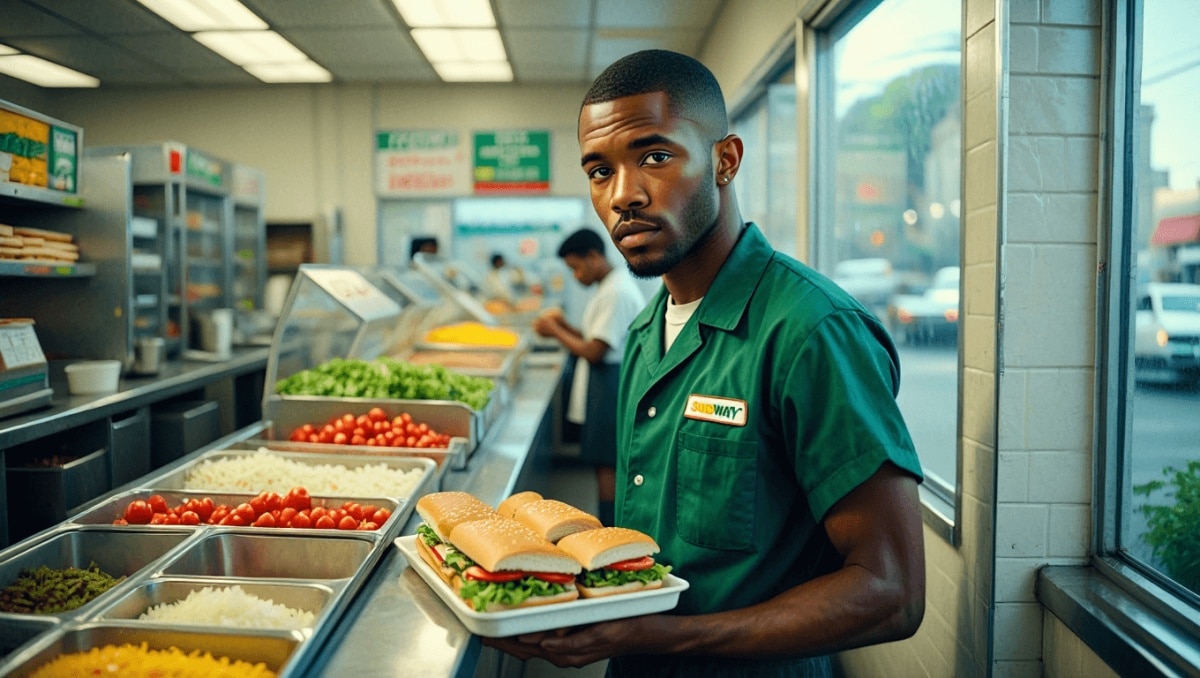
- Roles included retail, food service, and corporate processing.
- These jobs bought him time to be in the booth and learn the craft.
Working nights and weekends, he balanced shifts with writing sessions. The repetition sharpened discipline and made the studio feel like training ground.
Becoming a behind-the-scenes songwriter in L.A.
For years he wrote for other artists and honed his skills away from the spotlight. That steady rehearsal in studios taught him arrangement, melody, and collaboration.
His days were spent listening, rewriting, and trying to match the level of peers in the adjacent rooms. He treated those sessions like an athlete in practice — always aiming to improve.
The listening party that changed everything
A casual trip to a listening party became a turning point. He went to pick up a backpack but left with a new opportunity.
At the party, people were playing tracks through big speakers. Producers encouraged him to perform. He plugged in and, by the account of those who heard him, the room took notice.
Invitations to write in the studio followed. Those spontaneous moments accelerated his move from session rooms to center stage.
Why emotional experience transformed his music
Early on, technique outpaced feeling. He could craft smart lines, but they didn’t always move listeners.
What shifted in his writing
- Personal heartbreak gave his lyrics a raw edge.
- Love and loss introduced vulnerability into melodies.
- That vulnerability allowed audiences to connect and sometimes cry.
Emotional truth changed the way his songs landed. It turned competent writing into art that resonated on a deeper level.
Lessons from the long grind toward stardom
The story isn’t just about talent. It’s about persistence, odd jobs, studio discipline, and the willingness to show up.
Those years of struggle built the foundation. They explain how a former sandwich artist and claims processor learned to craft songs that would later reach millions.










