
Show summary Hide summary
- How worship and politics began to overlap
- Voices from inside: personal stories of disillusionment
- What made people finally walk away
- How ideology reshaped church culture
- Moments that cracked the facade
- Costs of stepping away from a politicized church
- How former members rebuilt faith and community
- Common themes among those who left
- Advice and next steps for those questioning their place
- Where people find help and further reading
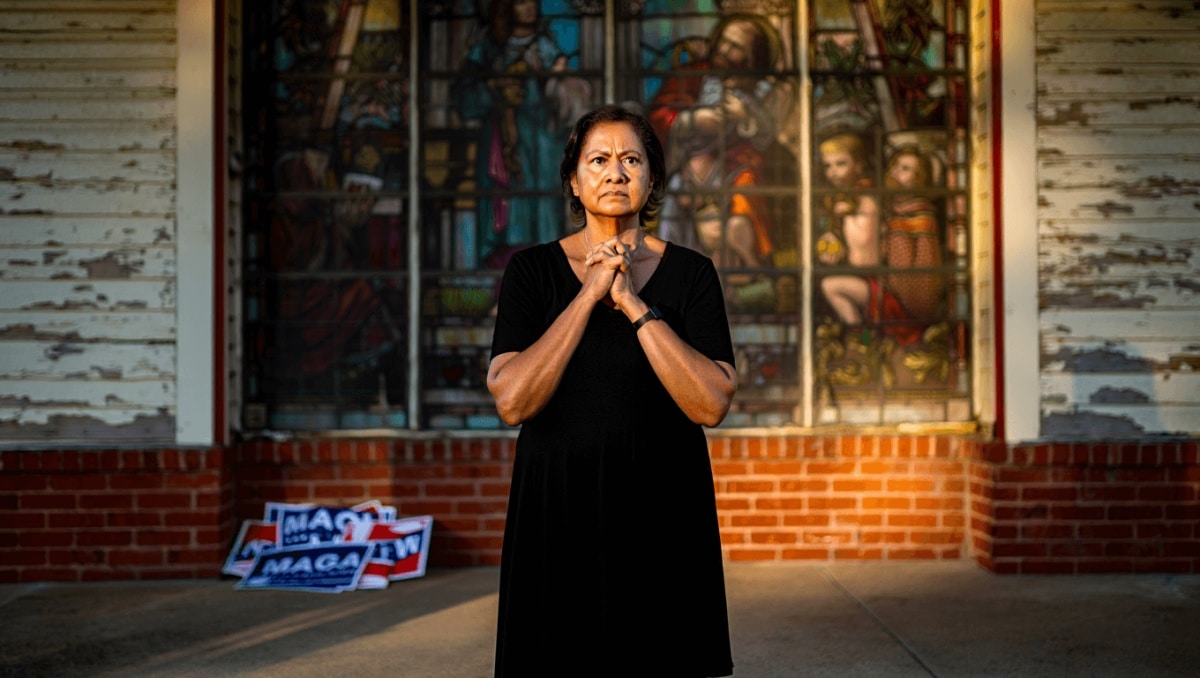
What once felt like a quiet confession or a Sunday ritual has, for many Americans, become a political battleground. Over the last decade, parts of American Christianity shifted from private conviction and neighborhood fellowship to loud, public displays of partisan allegiance. That change has left some believers alienated, others fleeing, and many rethinking what it means to follow a faith tied to a political movement.
How worship and politics began to overlap
In congregations across the country, patriotic songs began to share space with hymns. Sermons sometimes carried explicit political direction. Church gatherings blended civic pride with religious identity until the two became almost interchangeable.
KATSEYE postpones another concert: illness details remain undisclosed
Cupertino: a stylish legal drama packed with tech twists
For some, faith and nationalism fused so tightly that political loyalty came to look like spiritual fidelity. That shift created new expectations: voting behavior, public stances on policy, and even the acceptance of leaders were framed as matters of religious obedience.
Voices from inside: personal stories of disillusionment
Raised with rigid rules
One writer recalled a childhood where being a “good” Christian meant following a long list of written and unwritten rules. In that environment, church life was infused with political cues and a near-automatic alignment with conservative identity.
Survivors of control and abuse
Another former attendee described her experience at a faith-based reform school. What was presented as spiritual correction became coercion and trauma. Reading others’ recollections helped expose the harm and eventually led to accountability efforts.
Leaders who could not reconcile
Some pastors and ministry leaders found themselves at odds with political actions endorsed by their peers. For those working with survivors or marginalized groups, political allegiance that conflicted with their ministry’s mission proved intolerable.
What made people finally walk away
Leaving a church is rarely a single moment. For many it was a slow accumulation of doubts. For others, a specific event broke the seal.
- Scriptural dissonance: Returning to sacred texts made some see a mismatch between gospel teachings and political rhetoric.
- Public crises: High-profile events exposed fractures—police violence, the Capitol attack, and pandemic responses all triggered reassessment.
- Personal trauma: Direct experience of abuse or coercion within faith settings led some to exit for survival.
- Moral conflicts: Support for public figures whose behavior contradicted ministry work pushed leaders and congregants away.
Many left not because they stopped believing, but because they could no longer reconcile their faith with the politics surrounding it.
How ideology reshaped church culture
Observers say the phenomenon often labeled “MAGA Christianity” operates less like a political faction and more like a moral system. It elevates obedience to authority, prioritizes nationalism, and reframes civic priorities as spiritual imperatives.
That realignment shifted attention away from traditional Christian emphases: care for the poor, hospitality to strangers, and solidarity with the oppressed. In practice, some communities began to reward conformity and punish dissent.
Moments that cracked the facade
For many who left, the tipping point was cumulative. Still, a few clear moments catalyzed departures:
- Confrontations over masks, vaccines, or other public health measures.
- Visible indifference or hostility to protests against racial injustice.
- Religious rhetoric used to justify policies harming immigrants and minorities.
- Pastoral endorsement of partisan leaders as if they were divinely chosen.
These moments made private doubt impossible to ignore.
Costs of stepping away from a politicized church
Leaving often means more than changing where you worship. It can upend social networks, family ties, and daily rhythms. People describe this loss in concrete terms: missing shared meals, weekend gatherings, and the practical support the congregation provided.
Being cast out from the community can feel like losing a home and a social safety net at once.
- Emotional toll: grief, loneliness, and identity stress.
- Social fallout: fractured friendships and family tension.
- Practical impact: loss of childcare, meals, and communal care.
How former members rebuilt faith and community
After leaving, people responded in different ways. Some walked away from organized religion entirely. Others kept a private, personal faith. Many sought out new communities that matched their values.
- Joining progressive or nonpartisan congregations.
- Forming small groups focused on service and justice.
- Engaging in spiritual practices outside institutional settings.
- Seeking therapy or support for religious trauma.
Several who reclaimed faith described it as a process of unlearning old teachings while preserving spiritual core beliefs.
Common themes among those who left
Certain patterns appear again and again in the stories of people who disentangled faith from partisan identity.
- Recognition that political power had eclipsed spiritual values.
- Realizing racism and nationalism were often unexamined in their communities.
- Learning that silence from trusted leaders allowed harm to continue.
- Discovering a need for honesty, humility, and accountability in faith spaces.
For some, the most painful revelation was that religious structures had been weaponized to protect political power.
Advice and next steps for those questioning their place
People who have left offer practical guidance to anyone wrestling with similar doubts.
- Ask hard questions: read scripture, history, and memoirs that challenge your assumptions.
- Seek supportive communities: progressive churches, interfaith groups, and secular organizations can provide belonging.
- Learn about religious trauma: therapy and recovery resources can help.
- Build a safety net: cultivate friends and connections before making abrupt exits, when possible.
You do not have to choose between faith and integrity; many find ways to hold both.
Where people find help and further reading
Those navigating this terrain recommend books and memoirs that explore religious trauma, Christian nationalism, and the process of leaving toxic environments. They also point to groups that support faith deconstruction and to clergy who prioritize justice work.
Community, honest conversation, and careful reflection are common threads in the recovery stories of those who walked away from politicized faith spaces.










