Show summary Hide summary
Radio stations have long been gatekeepers of taste, but bans often backfire. Songs pulled from the airwaves for sex, politics, or perceived offensiveness sometimes become the era’s defining anthems. Below are four tracks that faced official radio bans — yet climbed charts, stirred debate, and cemented their place in music history.
How “Relax” by Frankie Goes to Hollywood used controversy as rocket fuel
Why broadcasters shut it down
Nas slams music industry over disrespect: teases new music, vows to address it
1992 vocal performances: 3 jaw-dropping moments that still amaze
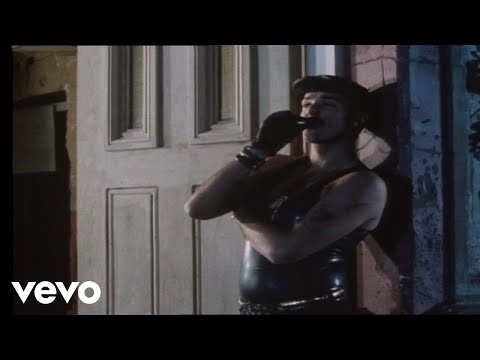
Released in 1983, “Relax” arrived with provocative lyrics and a marketing plan built to provoke. The song’s overt sexual tone alarmed BBC programmers. One DJ publicly denounced the track, prompting the BBC to ban airplay. The ban only amplified public interest.
What happened next on the charts
- The single first entered the U.K. charts modestly.
- A memorable TV performance helped it surge in popularity.
- After BBC censure, sales accelerated and the single reached No. 2.
Behind the scenes, the band’s label leaned into controversy. The calculated shock value turned a risky, sensual single into a mass-market success. Silencing the song on radio did not silence its impact.
The Who’s “My Generation”: a stutter that radios feared
The cause of the ban and the backlash
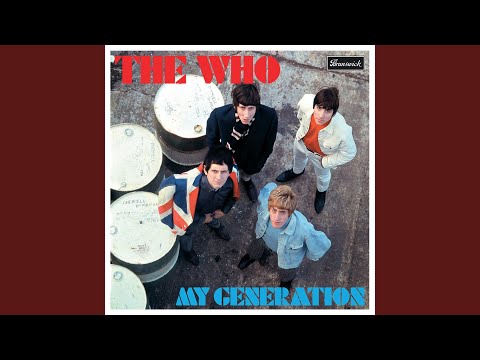
When The Who released “My Generation” in 1965, a vocal stutter in the performance made some broadcasters uneasy. The BBC opted against playing the record, worried about offending listeners. That decision didn’t stop the song from finding ears elsewhere.
Pirate radio and sales momentum
- Pirate stations picked up the track and broadcast it widely.
- Listeners rushed to buy the single despite limited official airplay.
- Sales of the record hit roughly 300,000 copies, pushing it high on the U.K. charts.
Instead of fading, “My Generation” became emblematic of youth defiance. Radio suppression steered attention to underground outlets, which amplified the record’s reach.
“God Save the Queen” by the Sex Pistols: timing a provocation during the Jubilee
Political heat and an immediate ban
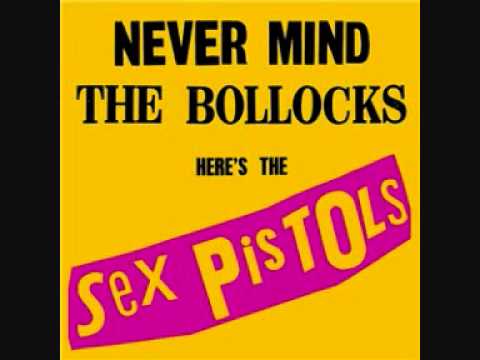
The Sex Pistols released this incendiary single during Queen Elizabeth II’s Silver Jubilee in 1977. Critics called it anti-monarchy; broadcasters responded swiftly. Both the BBC and the Independent Broadcasting Authority refused to play it. Public hostility even spilled into street violence against band members.
Sales, charts, and claims of manipulation
- The track topped the NME chart and stirred huge demand.
- Officially, it peaked at No. 2 on the U.K. Singles Chart.
- Questions arose about chart fairness after some sales outlets were excluded from counting.
Retail refusals and disputed sales figures fueled the idea that authorities had intervened. Yet punk fans embraced the record. Bans sharpened its mythic status rather than diminishing it.
Donna Summer’s “Love to Love You Baby”: disco, desire, and the radio reaction
Why the song alarmed big broadcasters
Recorded in 1975, Donna Summer’s sensual performance stretched over an extended album side. The single edit focused on erotic vocalization that many radio programmers found risqué. In the U.K., the BBC declined to promote the song on air for this reason.
Commercial success despite limited play
- Clubs and DJs embraced the extended version, fueling demand.
- The song reached the Top 5 in the U.K. charts despite limited BBC support.
- In the U.S., it climbed even higher, becoming a breakthrough Top 40 hit.
Producers who believed in the track’s sensual immediacy pushed it forward. Even when mainstream radio balked, dancefloors and record buyers sealed its success.