
Show summary Hide summary
- RZA’s practical pitch: AI moves ideas into reality faster
- How RZA used AI when making a film
- From demo to orchestra: AI in music production
- Money and time: concrete savings RZA reported
- RZA’s philosophical view: tools that extend expression
- The broader debate: supporters and skeptics
- Practical takeaways for musicians and creators
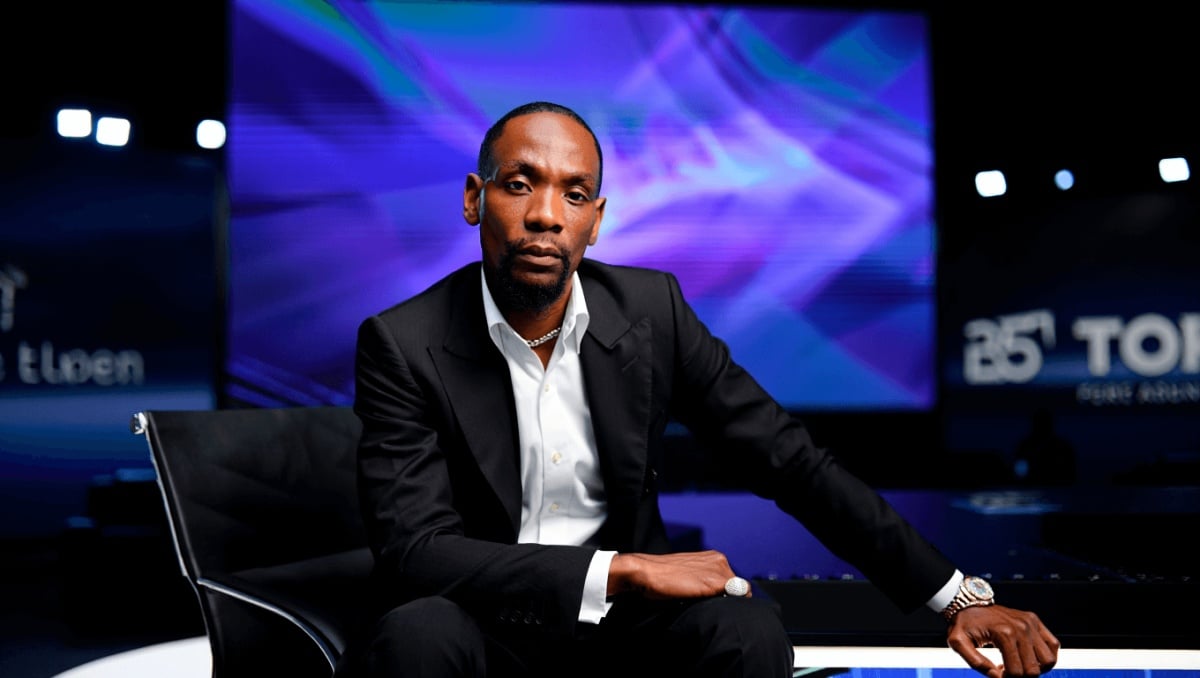
The conversation around artificial intelligence in music keeps heating up, and this week a founding figure from hip-hop made a strong case for embracing it. At CES 2026, RZA described AI as a practical tool that speeds up creative work and shrinks production costs. His examples ranged from film planning to orchestral demos, and his message was clear: AI can turn an idea into something tangible far faster than before.
RZA’s practical pitch: AI moves ideas into reality faster
RZA framed the debate in simple terms. Creativity, he argued, is measured in time. Where a project once required days of trial and error, an AI assistant can cut that process down sharply. He presented AI not as a replacement for human artistry, but as a way to accelerate the early stages of creation.
Nas slams music industry over disrespect: teases new music, vows to address it
1992 vocal performances: 3 jaw-dropping moments that still amaze
Key benefits he highlighted
- Faster ideation and iteration.
- Lower upfront costs for prep work.
- A clearer blueprint to guide human performers.
His central point: reducing the hours between concept and execution expands what creators can actually produce.
How RZA used AI when making a film
RZA described using generative AI to refine the visual and setting details for a movie project. He said the technology helped fill in background elements and give his concepts sharper texture. The tool did not invent the concept; it supplied the visual scaffolding he lacked the resources to build manually.
Tool mention: Google Gemini
On stage he named a specific platform, saying it helped him test environments and iterate mood boards. The AI provided quick variations that he could review at speed, rather than commissioning slow, costly design work.
From demo to orchestra: AI in music production
RZA also talked about his classical project, A Ballet Through Mud, to show how AI fits into music. He used AI to produce demos that outlined arrangements and orchestral textures. Those demos then served as a reference when he booked a live orchestra.
Why the demo mattered
- The AI-produced demo captured the arrangement and mood.
- It allowed musicians to focus on performance details.
- The final recording kept human nuance by using live players.
Result: the final sessions were tighter and more focused because musicians had a clear guide.
Money and time: concrete savings RZA reported
RZA broke down the practical cost and scheduling gains. What might have taken him up to two weeks of prep was condensed into a single recording day. That matters when you consider orchestral rates and studio expenses.
- Traditional prep: roughly 10–12 days of work.
- AI-assisted prep: demo produced quickly, one-day recording.
- Orchestra costs can reach high daily rates, so fewer days equal big savings.
He framed AI as a mitigation strategy — a way to preserve the human performance while avoiding extended rehearsal and studio costs.
RZA’s philosophical view: tools that extend expression
Beyond budgets, RZA spoke about creativity itself. He suggested that if a thought exists in the mind, new tools should help express it. AI, in his view, lowers the barriers between concept and finished work.
On accessibility and creative power
He emphasized that AI can be especially useful when resources are scarce. For creators without large teams or deep pockets, intelligent tools offer a way to prototype and realize complex ideas.
The broader debate: supporters and skeptics
RZA’s stance sits alongside other tech-friendly artists like Timbaland and Will.i.am. But critics remain vocal. Detractors worry AI will flatten the rough edges that make music interesting. They argue generative systems can sanitize originality and reward speed over depth.
- Supporters say AI is a force multiplier for human artists.
- Skeptics fear loss of craft, authenticity, and unique human touch.
The conversation is still evolving: some see AI as a collaborator, others as a threat to artistic labor and tradition.
Practical takeaways for musicians and creators
From RZA’s examples, several tactical lessons emerge for artists testing AI in their workflows.
- Use AI to prototype big ideas before expensive sessions.
- Keep live performers central to preserve human nuance.
- Choose AI tools that let you iterate quickly, then refine with people.
Bottom line: treat AI as a preparatory tool that amplifies, not replaces, human craft.










