
Show summary Hide summary
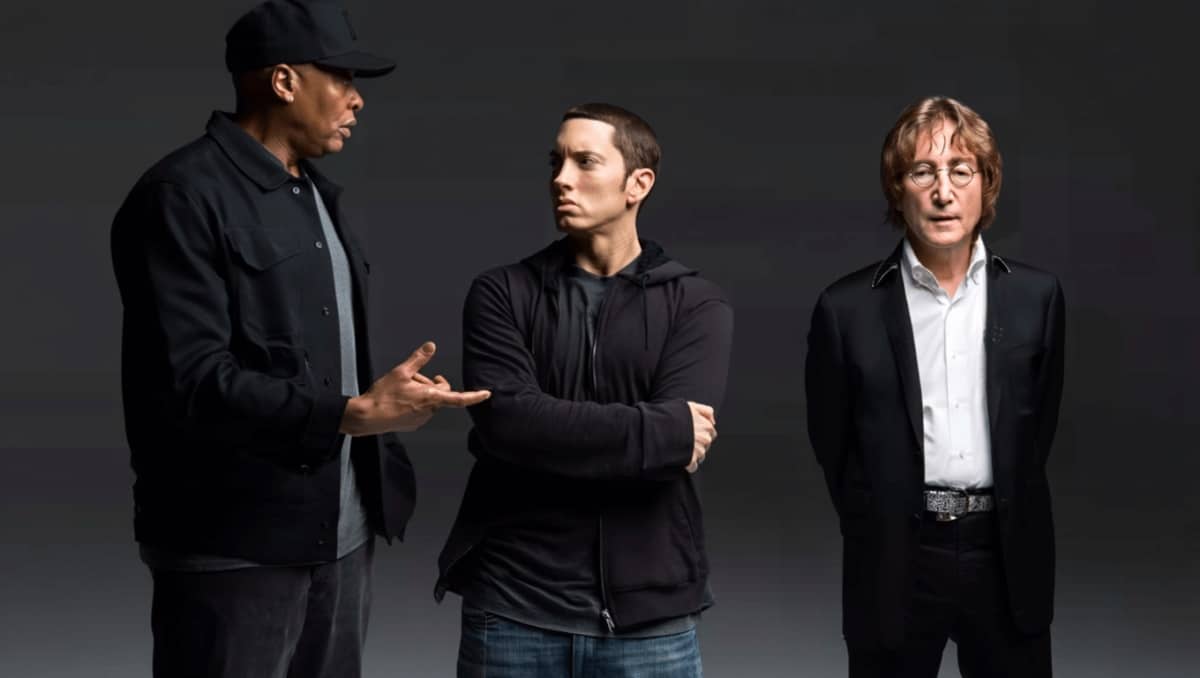
Long before Eminem became a global phenomenon, Dr. Dre saw something in him that few others did: raw skill wrapped in provocation. That blend of technical mastery and controversy reminded Dre of his own history in West Coast rap, and, surprisingly, even of rock royalty. A 2000 interview with NME revealed why Dre believed he, Eminem, and John Lennon shared a rare trait that made them both magnetic and dangerous.
Why Dr. Dre bet on Eminem: talent, edge, and timing
For Dre, the decision to work with Marshall Mathers made sense on several levels. Eminem stood out in a scene that had very few white rappers capable of dominating mainstream hip-hop. But it wasn’t just race. Dre recognized qualities that fit his own aesthetic and instincts.
Nas slams music industry over disrespect: teases new music, vows to address it
1992 vocal performances: 3 jaw-dropping moments that still amaze
- Technical excellence: Eminem’s flow, timing, and rhyme schemes were elite.
- Controversial persona: Provocation had long been Dre’s territory, so Em’s shock value felt familiar.
- Market disruption: He brought a different voice that could reshape popular tastes.
- Creative chemistry: Dre saw potential for powerful collaborations in the studio.
Those factors combined into a rare opportunity. Dre wasn’t merely backing a novelty act. He was investing in a voice he believed could move culture — and stir debate.
Drawing a line from Lennon to hip-hop: what Dre meant
When asked if he feared extreme backlash, Dre compared himself and Eminem to John Lennon. His point was not literal. He argued these figures shared a common effect on society.
Influential artists attract scrutiny, Dre suggested. People resist sudden change, especially when an artist gains mass attention and loyal followers. That attention can feel threatening to entrenched systems and conservative audiences.
- Artists who shift public opinion often provoke strong reactions.
- Fame plus bold ideas can create both admiration and hostility.
- Dre saw a pattern: cultural leaders are targeted because their influence unsettles others.
Inside the 2000 NME conversation with Steven Wells
The exchange with Steven Wells peeled back Dre’s thinking. Wells posed a provocative question about whether artists like Lennon face real danger from powerful forces. Dre didn’t laugh off the comparison. Instead, he explained the dynamic that puts such artists in the crosshairs.
Highlights from the interview
- Dre acknowledged the noise surrounding Eminem and said he’d grown used to it.
- He connected the backlash to the artists’ ability to influence youth and culture.
- Rather than shrinking from controversy, Dre said he planned to harness it.
The tone of the interview showed Dre as reflective. He didn’t glorify the uproar. He tried to understand why controversy follows people who change tastes and challenge norms.
From outrage to output: using controversy as fuel
Dre framed the criticism as evidence of impact. He pointed to N.W.A. as an example of when being the voice of a generation invites hostility. That history taught him how public dissent often marks cultural shift.
His next move was strategic. Dre told the interviewer he wanted to channel the heat into something constructive. The album he teased at the time had a title meant to suggest cleansing and renewal: Detox.
- Use controversy to spark conversation, not chaos.
- Convert backlash into artistic focus and growth.
- Leverage cultural resonance to reach broader audiences.
By reframing criticism as a sign of influence, Dre set a plan to turn turbulence into music that could matter beyond headlines.










