Show summary Hide summary
- How to recognize truly literary hip-hop lyrics
- MF DOOM — The masked poet who constructed alternate worlds
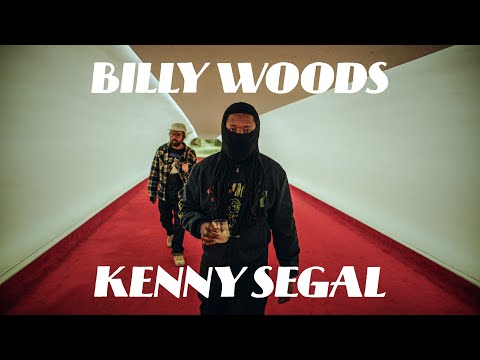
- billy woods — A modern chronicler of exile, empire, and unease
- Ka — The minimalist chronicler of streets and myth
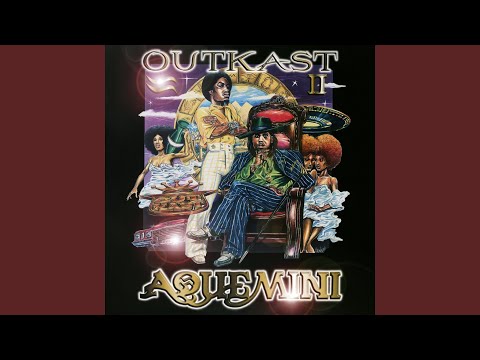
- Andre 3000 — The image-driven rhymer who bends language
- Notable lyrical techniques these artists share
- Suggested entry points — where to start listening
Great rap writing can turn a beat into a short story, a manifesto, or a mental movie. It uses rhythm and rhyme but also borrows from poetry, drama, and literary technique. Below are artists who treat hip-hop like literature—instrumentalists of language who shape images, metaphors, and moods as precisely as any novelist or poet.
How to recognize truly literary hip-hop lyrics
Not every clever rhyme equals literary depth. The lyricists below share traits that lift lines into art.
Nas slams music industry over disrespect: teases new music, vows to address it
1992 vocal performances: 3 jaw-dropping moments that still amaze
- Layered imagery: They create scenes that hold up on repeat listens.
- Allusion and intertextuality: Classical myths, philosophy, and history appear as seasoning.
- Economy of words: Short phrases that carry heavy meaning.
- Inventive sound play: Internal rhyme, slant rhyme, and onomatopoeia that shape cadence.
- Moral or political urgency: Ideas about power, memory, or identity anchor the music.
MF DOOM — The masked poet who constructed alternate worlds
MF DOOM turned persona into prose. He wore a metal mask and became a narrator of comic-book scenes and street lore. His bars often read like surreal short stories.
What sets his writing apart
- Distinctive alter egos that shift viewpoint mid-track.
- Dense metaphors packed in conversational cadences.
- Playful use of sound effects and onomatopoeia for texture.
DOOM’s lyrics reward repeated listening. Lines fold into themselves. A single verse can hide callbacks, sly references, and internal echoes. He mixed humor and menace, making the listener both smile and lean forward.
Listen for: unexpected rhyme pairings and characters who speak like they’d been written for a pulp novel.
billy woods — A modern chronicler of exile, empire, and unease
billy woods writes like a witness who refuses myth-making. His work often examines the fallout of political systems. Instead of comforting the listener, he interrogates what remains when systems fail.
Signature themes and approach
- A bleak, almost cinematic tone that mixes surreal images with political critique.
- Frequent collaboration with producers who build uneasy soundscapes.
- Narratives that move between personal memory and global history.
One recent release was described by collaborators as a dark tapestry. It includes surreal vignettes—zombie imagery, haunted artifacts, and figures pulled from postcolonial thought. woods rarely softens his language. He aims to expose, not to console.
Listen for: compressed lines that carry philosophical weight and production that feels like a dusty film reel.
Ka — The minimalist chronicler of streets and myth
Ka’s voice is narrow and weathered. He raps with surgical clarity. A former firefighter and first responder, he brings a lived-in authority to his stories of survival.
Why his style reads like modern poetry
- Lean delivery that treats each syllable as essential.
- Frequent references to classical figures and myths to map modern struggles.
- Albums that read like linked short stories, not collections of singles.
He often recasts street-level events in epic terms. A hallway argument can be rendered as a mythic confrontation. That compression and recontextualization is what makes Ka feel literary. His lines fold historical weight into everyday actions.
Listen for: parable-like tracks where small moments echo larger moral questions.
Andre 3000 — The image-driven rhymer who bends language
Andre 3000 blends raw feeling with formal play. He moves between lush imagery and razor-sharp internal rhymes. His verses can be warm one moment and brittle the next.
How he uses rhyme and narrative
- Mastery of internal rhyme and unexpected cadence shifts.
- Emotional directness paired with surreal images.
- Ability to turn a guest verse into a short film of feeling.
Across Outkast records and solo appearances, he shows how personality can be a literary device. He toys with grammar and pronunciation to make words do double duty. The result is intimate and unsettling at once.
Listen for: sudden tonal changes and lines that feel like confessions folded into metaphors.
Notable lyrical techniques these artists share
The following tools appear often across their work.
- Framing devices: personas, narrators, and invented worlds.
- Intertextual references: classical myths, political thinkers, and historical events.
- Sound as syntax: rhyme patterns that shape sentence meaning.
- Ambiguity: lines that resist easy interpretation.
These techniques invite active listening. Fans revisit tracks not for catchy hooks, but to unpack layers. That depth is what moves a rapper from skilled to literary.
Suggested entry points — where to start listening
- MF DOOM: albums that foreground character work and dense wordplay.
- billy woods: records with cinematic production and bleak, reflective lyrics.
- Ka: minimalist albums that read like linked vignettes.
- Andre 3000: solo moments and outkast classics that pair melody with inventive rhyme.