
Show summary Hide summary
- Judge rules Boosie’s San Diego gun case ends with time served
- What the sentence actually means for Boosie Badazz
- Defense strategy: probation and community service pushed instead of prison
- Boosie’s own stance during the legal process
- Public reaction and media coverage
- How the pardon request factored into public discourse
- Next steps and what to watch for
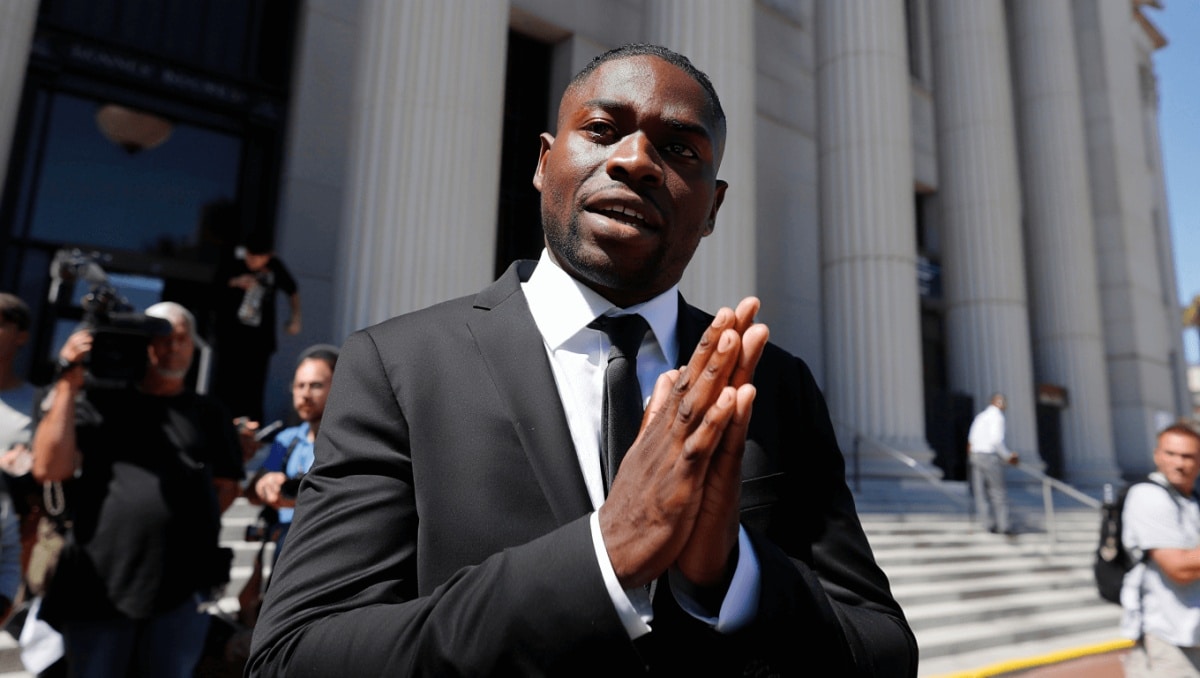
Boosie walked out of a San Diego courtroom without new jail time after a judge decided his time spent fighting the case counted as punishment. The ruling, announced in early January, ends a tense chapter for the Baton Rouge rapper and shifts attention to supervised release and other conditions that will follow him beyond the courtroom.
Judge rules Boosie’s San Diego gun case ends with time served
On January 9, court filings and reporting by Meghann Cuniff confirmed the sentence.
Nas slams music industry over disrespect: teases new music, vows to address it
1992 vocal performances: 3 jaw-dropping moments that still amaze
- Outcome: The judge credited Boosie with time served.
- Follow-up: He was ordered to three years of supervised release.
- Pardon pursuit: Boosie had publicly sought a presidential pardon from Donald Trump.
The court found the period Boosie spent under legal scrutiny sufficient. Prosecutors and the defense presented arguments about appropriate punishment. In the end, the judge chose supervised release rather than additional incarceration.
What the sentence actually means for Boosie Badazz
Time served removes the prospect of new prison days tied to this conviction. But supervised release brings ongoing limits. The court can set conditions on travel, association, and reporting to a probation officer.
Key elements of supervised release
- Regular check-ins with probation officers.
- Restrictions on weapons and certain activities.
- Possible drug testing and community service requirements.
Violating these conditions could reopen legal exposure. The three-year term becomes the primary period during which the court retains oversight.
Defense strategy: probation and community service pushed instead of prison
Boosie’s legal team argued that additional jail time would be unnecessary. They presented his prior court experiences as a factor in sentencing decisions.
- Defense asked for probation and community service.
- They emphasized rehabilitation and supervision over incarceration.
- The judge ultimately adopted a middle ground by imposing supervised release.
Defense counsel framed the trial process itself as punitive. That line of argument appears to have influenced the judge’s final decision.
Boosie’s own stance during the legal process
Throughout the case, Boosie maintained public confidence in a favorable outcome. In interviews he spoke about faith in the judge and in his own resilience.
He contrasted his approach with how he saw other celebrities handle courtroom pressure. He stressed personal dignity and a public posture of strength while acknowledging the judge’s ultimate authority.
Public reaction and media coverage
News outlets quickly picked up the ruling, sparking debate about fairness and celebrity in the justice system. Some observers felt the sentence was lenient. Others argued the judge was justified in weighing time already spent under legal restraint.
- Reporters highlighted the ties between celebrity and legal outcomes.
- Fans celebrated the lack of new prison time.
- Critics worried about consistent application of sentencing standards.
How the pardon request factored into public discourse
Before the decision, Boosie had signaled interest in a presidential pardon. That move drew attention but did not change the court’s ruling. The pardon push became part of the broader narrative rather than a determinative factor in sentencing.
Legal experts noted that pardons are distinct from sentencing outcomes. A pardon could erase certain legal consequences. But judges still weigh evidence and arguments when imposing sentence or supervised release.
Next steps and what to watch for
Boosie must comply with the release conditions to avoid further trouble. The supervised period gives the court tools to intervene if rules are broken. Observers will watch for:
- Any reports of probation violations.
- Public statements by Boosie that affect his legal standing.
- Developments in his bid for clemency or pardon.
The case adds to a long history of legal battles for the rapper. It also raises questions about how courts balance prior hardship, celebrity status, and the need for accountability.










