
Show summary Hide summary
- How an L.A. friend group became a music movement
- Frank Ocean’s recollection of the early days
- What the group sounded like and why it mattered
- Why their group dynamic influenced a new generation
- Moments that showcased their chemistry
- Creative habits and studio atmosphere
- A ripple effect across genres and culture
- Members, roles, and creative strengths
- Early interviews and memory shaping
When a crew of inventive young artists from Los Angeles burst onto the scene, they changed how a generation heard and felt music. Odd Future mixed boundary-pushing rap, experimental R&B, and DIY energy into a cultural force. Their sound and attitude made room for eccentricity and honest self-expression.
How an L.A. friend group became a music movement
The group’s origin was informal and organic. Kids who met through schools, parties, and mutual friends began trading beats, jokes, and late-night ideas. Small shows in neighborhood venues turned into tight-knit gatherings.
Nas slams music industry over disrespect: teases new music, vows to address it
1992 vocal performances: 3 jaw-dropping moments that still amaze
- Early meetups often happened at local high schools and underground club nights.
- Members arrived at different times, but the chemistry was immediate.
- Collective energy pushed each artist to experiment beyond mainstream limits.
Odd Future grew more from camaraderie than a business plan. That casual creativity allowed members to take risks without waiting for approval.
Frank Ocean’s recollection of the early days
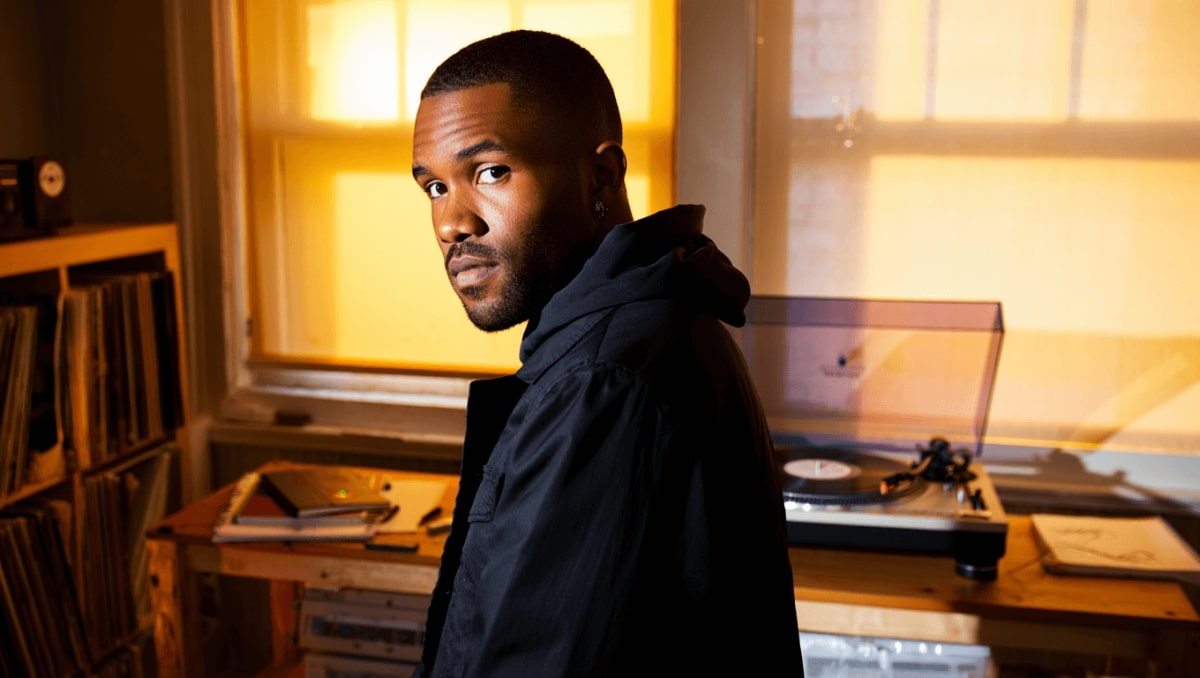
Frank Ocean remembers meeting the group through a web of mutual friends. He first crossed paths with Syd, then other faces began appearing—Tyler, Earl, and several others. A modest valley show was one of the first moments that cemented those relationships.
In his retelling, the crew’s attitude was not nihilistic. Instead, it pushed back against phoniness and rigid rules. The mood in sessions was playful and spontaneous. When a take went wrong, laughter often followed rather than judgment.
That freedom reminded him that music could be joyful again. For Frank, working with the collective reintroduced an aspect of fun that had been missing in more formal studio settings.
What the group sounded like and why it mattered
Odd Future’s output covered a wide sonic range. Members pulled from punk, soul, lo-fi, and classic hip-hop to create jagged, tender, and unpredictable music. The result felt both youthful and deliberately unpolished.
Key traits of their sound
- Raw, unfiltered lyrics and delivery.
- Eclectic production that mixed live instrumentation with digital textures.
- A sense of humor and shock, used as much for play as provocation.
Artists such as Tyler, the Creator and Earl Sweatshirt brought abrasive and unusual flows. Meanwhile, The Internet and Frank Ocean stretched R&B into more contemplative, emotion-forward territory.
Why their group dynamic influenced a new generation
The social media age amplified Odd Future’s aesthetic. Fans online mirrored the group’s irreverence and inventiveness. Many young creators found permission to present themselves uncensored.
- DIY visuals and homemade videos inspired independent artists.
- Peers saw that being different could attract devoted audiences.
- Their example encouraged cross-genre collaboration.
They normalized artistic risk-taking. That shift had effects beyond music, reaching fashion, visual art, and web culture.
Moments that showcased their chemistry
Posse cuts and music videos functioned as communal declarations. Tracks where multiple members traded verses allowed each personality to breathe within a single song.
On camera and on stage, they often acted like longtime friends, which made their performances feel spontaneous. That bond translated into records that sounded like a conversation rather than a calculated product.
Creative habits and studio atmosphere
Sessions were described as loud, playful, and experimental. Mistakes or odd ideas were embraced and sometimes turned into defining moments.
- Attempts would be looped, mangled, and reimagined the same day.
- Members criticized each other, but in a way that encouraged improvement.
- Collaboration was less about credit and more about the work itself.
The studio felt like a workshop, not a boardroom. That environment let artists depart from commercial expectations.
A ripple effect across genres and culture
The collective’s influence is visible in how modern artists frame authenticity. Their example showed that unique voices could carve a path to visibility.
Labels and media eventually took notice, but the initial momentum came from local shows and online sharing. That grassroots origin remains central to how fans remember the movement.
Members, roles, and creative strengths
Odd Future was not a monolith. Each contributor brought a distinct set of tastes and skills.
- Tyler, the Creator: Bold production choices and theatrical persona.
- Earl Sweatshirt: Dense, introspective lyricism.
- Frank Ocean: Tender songwriting and genre-bending R&B.
- Syd and The Internet: Smooth, soulful textures and band-oriented arrangements.
- Other members added beats, visuals, and a punk-like ethos.
Early interviews and memory shaping
Conversations with journalists captured the group in a formative state. Those interviews offered personal perspectives on how friendships translated into creative work.
Frank’s accounts and other firsthand recollections became part of the Odd Future narrative. They reveal a group more committed to discovery than to any single image.










