Show summary Hide summary
The 1990s belonged to grunge and hip‑hop, yet it also sparked a remarkable second act for several classic rock, punk, and metal icons. Old crowds returned, new fans discovered them, and some artists reinvented themselves. Below are four acts whose careers were reshaped by the decade.
How the 1990s rekindled classic rock, punk, and metal
The musical landscape shifted fast in the early 90s. Alternative scenes dominated the airwaves. Still, many legacy acts found fresh momentum.
Nas slams music industry over disrespect: teases new music, vows to address it
1992 vocal performances: 3 jaw-dropping moments that still amaze
- Some bands updated their sound to fit radio and MTV.
- Festival culture and soundtrack placements expanded exposure.
- Lineup reunions and bold management moves often sparked comebacks.
KISS: From stripped faces to a late‑90s chart return
KISS built its myth in the 1970s with theatrical shows and iconic makeup. The band removed the face paint in the 1980s and lost some cultural cachet.
After uneven years, KISS began to reemerge. A 1992 record earned respect among fans and critics. But the real commercial bounce came later.
1997 turning point and lasting impact
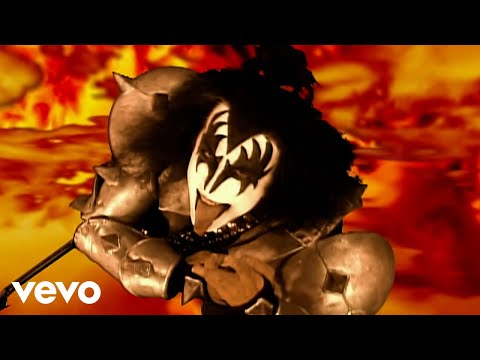
In 1997, KISS released Psycho Circus. The title song climbed to No. 1 and put the band back into mainstream conversation. That late‑90s momentum fed into their lengthy farewell run, The End of the Road.
- Notable albums in the decade: Revenge (1992), Psycho Circus (1997).
- Why it mattered: The comeback reminded listeners that KISS could still headline stadiums and influence rock culture.
Misfits: Horror punk reborn for a new era
The Misfits helped define horror punk in the late 1970s. Internal conflicts fragmented the group in the early 80s, and the original run ended.
A decade later, original members reclaimed the name and energy. New personnel and updated production brought their sound into the 90s mainstream.
Reunions, new singers, and major 90s albums
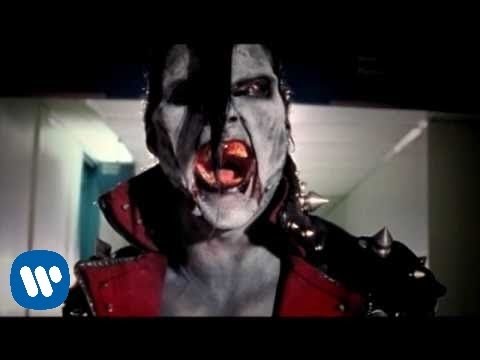
- Lineup revival: Jerry Only and Doyle returned and recruited Michale Graves and Dr. Chud.
- Key releases: American Psycho (1997) and Famous Monsters (1999).
- Famous Monsters matched the punk of the era while keeping the band’s macabre edge.
Ozzy Osbourne: A festival, a comeback and a metal renaissance
Ozzy’s solo career soared in the 1980s after Black Sabbath. By the early 90s, his output slowed and public interest dipped.
Sharon Osbourne changed that dynamic. Frustrated by festival politics, she helped launch a new platform for heavy artists.
Ozzfest and the 90s revival of metal
- Ozzfest: Conceived as an answer to festival gatekeepers, the tour became a major showcase.
- The festival boosted Ozzy’s profile and gave exposure to many younger metal bands.
- Effect: Ozzfest helped reenergize the metal scene and sustained Ozzy’s career into the new millennium.
Aerosmith: Two resurgences and massive 90s hits
Aerosmith’s 1970s dominance loosened in the 1980s. Yet the band staged not one but multiple revivals during the 90s.
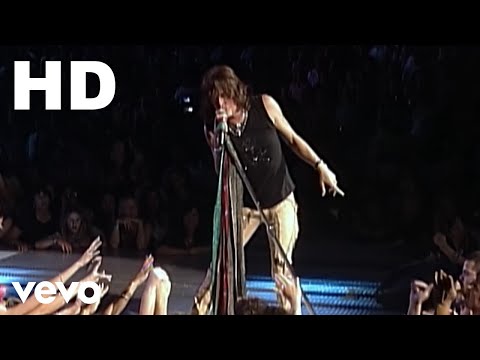
The decade produced hits that reintroduced Steven Tyler and company to a younger audience. Soundtracks and radio helped.
Major songs and albums that defined their 90s comeback
- Get a Grip (1993): Spawned radio staples like “Livin’ on the Edge,” “Cryin’,” and “Amazing.”
- Nine Lives (1997): Offered singles such as “Falling in Love (Is Hard on the Knees)” and “Pink.”
- Armageddon moment (1998): “I Don’t Want to Miss a Thing” became a global hit via the film soundtrack.
These successes kept Aerosmith in heavy rotation and cemented their 90s relevance.