
Show summary Hide summary
- How Corgan described being approached by government figures
- What the musician chose not to reveal
- Shapeshifters, Howard Stern, and other uncanny encounters
- On influence, protection, and the idea of a “Faustian bargain”
- Why Corgan believes some musicians become compromised
- Context from the podcast conversation and public reaction
- What Corgan’s stance reveals about celebrity and secrecy
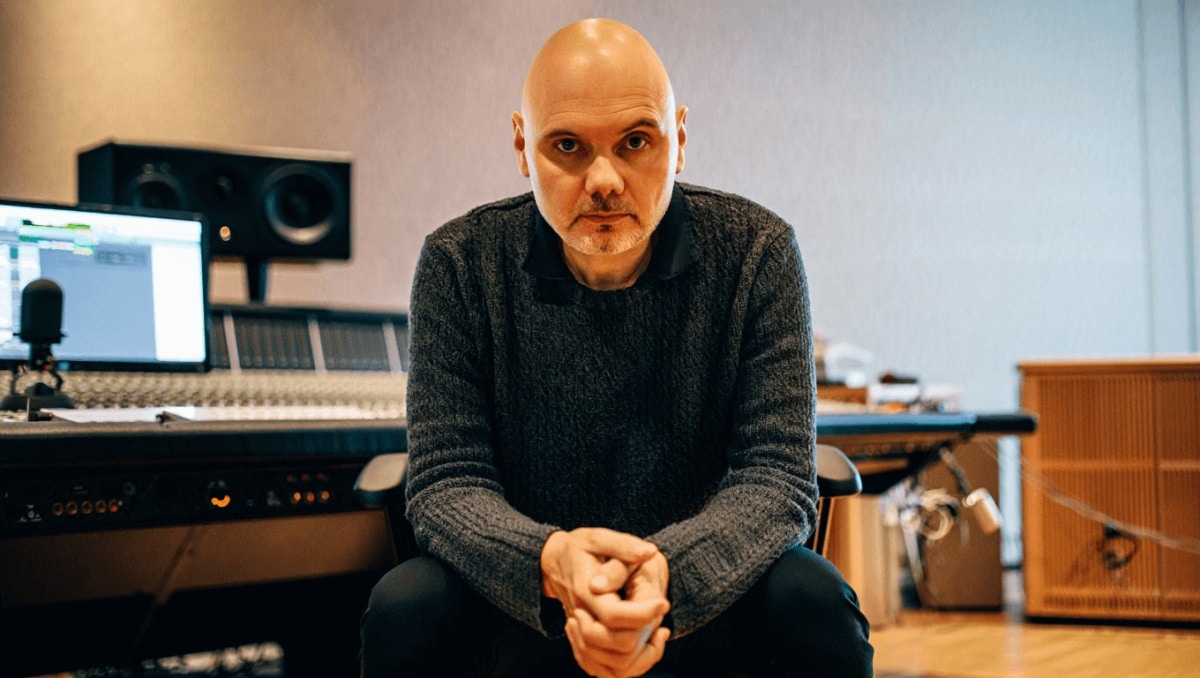
Billy Corgan surprised listeners by saying he’s been pulled into high-level, secretive conversations with U.S. officials. He dropped the claim casually on his podcast, then kept tight-lipped about the details. The admission has provoked questions about how far the music world and government interests intersect.
How Corgan described being approached by government figures
On an episode of his podcast, The Magnificent Others, Corgan said he’s been invited to meetings that felt far beyond his usual realm. He described the encounters as unusual and hinted they involved matters he felt unqualified to handle.
Nas slams music industry over disrespect: teases new music, vows to address it
1992 vocal performances: 3 jaw-dropping moments that still amaze
He framed some moments as surreal, likening the atmosphere to a cinematic thriller. Yet he refused to disclose specifics when pressed, saying he would only speak about being present, not about what was discussed.
What the musician chose not to reveal
When asked for details, Corgan declined to share the substance of those closed-door talks. He emphasized he could recount being there, but would not repeat the content of those exchanges.
- He stressed discretion, saying some topics were “above his pay grade.”
- He suggested the meetings included people who expected him to lend influence.
- He avoided naming agencies, motives, or outcomes.
Shapeshifters, Howard Stern, and other uncanny encounters
Corgan also revisited a bizarre anecdote he’s told before. He once described an encounter he framed as supernatural on Howard Stern’s show. That story became a recurring demand from interviewers and fans.
He said the supernatural and the political sometimes collided in his experience. The tale of a so-called shapeshifter was part of the lore that followed him, and he implied it was one of several unexplainable episodes he’s endured.
How these stories affect a public figure
Corgan explained those incidents changed how he was treated in public spaces. He described being pursued for the sensational details rather than for his music. That, he suggested, can be intrusive for artists who want to steer their narrative.
On influence, protection, and the idea of a “Faustian bargain”
Beyond spooky anecdotes, Corgan spoke about systemic pressures in the music industry. He argued some artists receive substantial backing and protection. Others are left vulnerable or pushed aside.
He used the metaphor of a Faustian bargain to describe offers that trade an artist’s autonomy for promotion and reach. According to him, such deals can fast-track careers while exacting a non-musical price.
- Some acts allegedly get robust support and immunity.
- Others are “thrown off the ship” if they resist certain pressures.
- The choices artists face are not always about talent or ethics alone.
Why Corgan believes some musicians become compromised
He suggested two clear motives behind industry compromises. One is reward: artists comply and receive immense promotional backing. The other is punishment: refusal can lead to career setbacks.
He said this pattern is visible across popular music. Whether due to behavior or refusals to “do the bidding” of powerful gatekeepers, careers can be accelerated or stifled.
Context from the podcast conversation and public reaction
The exchange with writer Conrad Flynn mixed confessional tone with cynicism. Corgan’s remarks combined personal anecdotes and broader observations about the entertainment ecosystem.
Reaction online was swift. Fans and commentators debated whether his claims hinted at genuine outreach by officials, or whether they were rhetorical ways to describe industry pressure.
Questions listeners are still asking
- Which government entities, if any, spoke with Corgan?
- What exactly was requested of him during those meetings?
- Do other artists have the same experiences and remain silent?
What Corgan’s stance reveals about celebrity and secrecy
His refusal to disclose details underscores a tension between public curiosity and private discretion. Celebrities may be asked to cooperate in ways that touch on national institutions. How they respond can shape careers and reputations.
Corgan’s comments highlight two realities: the entertainment world can be entangled with power, and not every high-profile story is meant for public consumption.











