
Show summary Hide summary
- How an AI mistake derailed a concert and reputation
- Demanding answers: legal options and accountability
- Why AI misinformation is more than a creative debate
- Notable examples fueling the debate
- Practical steps platforms and venues can take now
- What artists and the public are asking for
- Human fallout: the scenes behind headlines
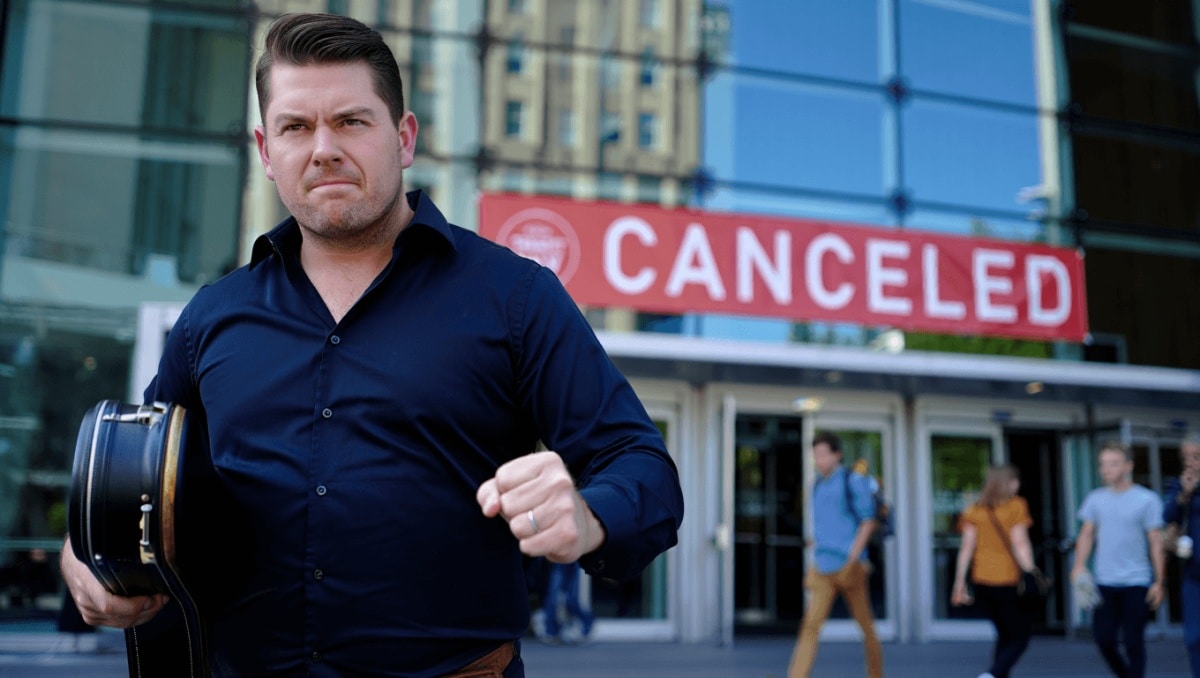
A celebrated fiddler saw a planned show canceled after an automated summary on Google wrongly linked him to criminal findings. The mistake cost him a payout and triggered an uproar about AI-driven misinformation. His reaction now puts pressure on platforms, venues, and the music industry to reckon with the real-world consequences of algorithmic errors.
How an AI mistake derailed a concert and reputation
Promoters canceled the performance after a machine-generated blurb surfaced that associated the musician with sexual-assault convictions. The artist maintains the summary mixed him up with another person.
Nas slams music industry over disrespect: teases new music, vows to address it
1992 vocal performances: 3 jaw-dropping moments that still amaze
The venue’s quick decision left the artist without income for the gig and with a public stain to address. He described the moment as surreal and deeply stressful.
- Immediate effect: Show canceled and ticket holders left informed.
- Professional impact: Lost revenue and shaken trust with promoters.
- Personal toll: Family awkwardness and reputational damage.
Demanding answers: legal options and accountability
The musician is exploring legal action against the company behind the search summary. He told reporters he would pursue a lawsuit if a lawyer takes the case pro bono.
His complaint centers on the idea that automated media output can place people in dangerous situations. He stressed that being falsely labeled could have led to detention at a border.
- Allegation: Defamation via an AI-generated summary.
- Request: Clarification of who is liable for algorithmic errors.
- Outcome sought: Correction, restitution, and safeguards to prevent recurrence.
Why AI misinformation is more than a creative debate
Most public discussion around AI and music focuses on creativity and economic threats. But factual errors from AI systems can cause harm outside the studio.
High-profile reactions from artists vary. Some producers and performers welcome new tools. Others, including notable voices in R&B, worry about authenticity and fairness.
- Creative concerns: AI replacing human performers or borrowing likenesses.
- Reputational risks: Incorrect facts circulating as truth.
- Commercial consequences: Deals and bookings based on faulty data.
Notable examples fueling the debate
Recent controversies show the range of issues. An AI-produced R&B persona secured a major label deal, prompting public ire from established artists. Separately, an automated search summary incorrectly assigned criminal charges to a touring musician.
Those incidents illustrate two separate but related risks: artificial replication of art, and algorithmic misinformation that haunts real people.
Practical steps platforms and venues can take now
There are immediate measures that could reduce harm while broader rules evolve. Platforms can expand human review for sensitive claims.
Short-term fixes
- Implement fast-appeal systems to correct false summaries.
- Flag high-stakes claims for manual verification.
- Provide clear provenance and links to primary sources.
Longer-term changes
- Stronger transparency about how summaries are produced.
- Industry standards for accountability when automated errors cause damage.
- Better collaboration between tech firms and public institutions to protect individuals.
What artists and the public are asking for
Musicians want clearer safeguards and faster corrections. Some demand that platforms accept responsibility when false information costs someone their livelihood.
Calls for reform range from improved labeling of AI-generated content to legal clarifications on liability. Creators want both protection and fair access to new tools.
Human fallout: the scenes behind headlines
Beyond legal filings and policy debates lies the emotional aftermath. The musician described having to explain the false accusation to family during a holiday visit.
He is trying to reschedule the canceled concert while weighing next steps. At the same time, he is urging a wider conversation about what AI companies must prevent.










