
Show summary Hide summary
- Why MTV is retiring its 24-hour music channels
- Which MTV music feeds are going offline and where
- How the change reshapes music discovery and fan rituals
- What MTV’s core channels will keep doing
- Where music content will likely surface after the shutdown
- What artists and the music industry gain and lose
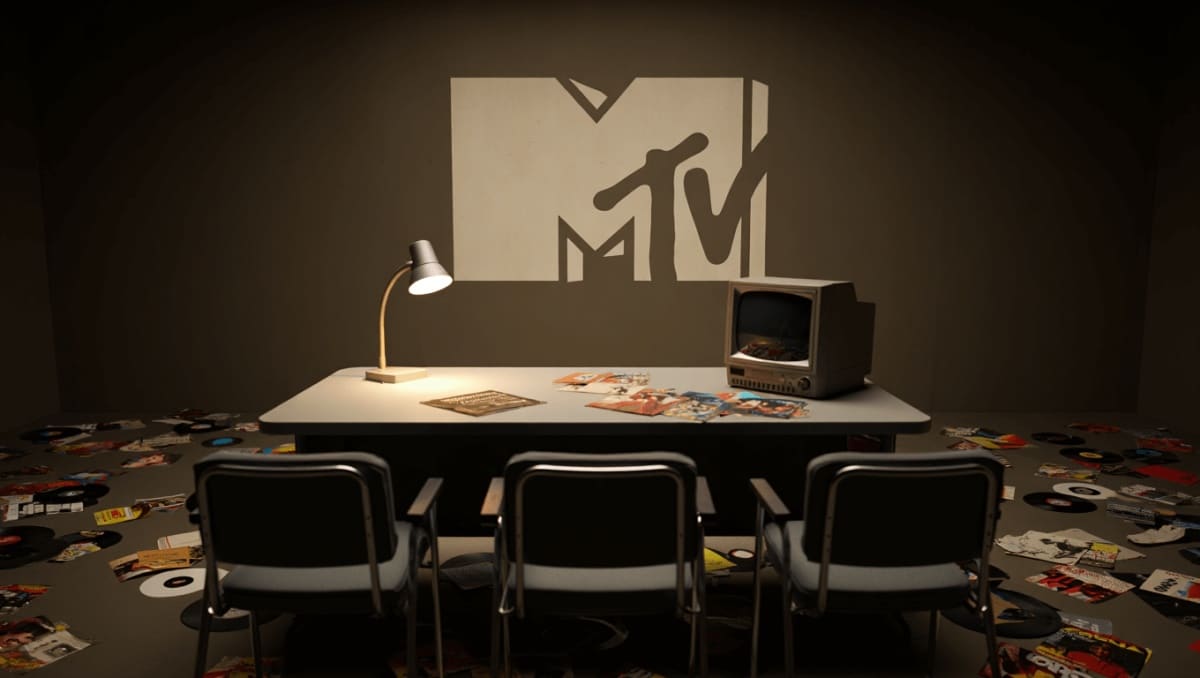
MTV will stop airing its remaining round-the-clock music channels on December 31, 2025, marking a significant pivot away from the music-video era that made the brand famous. Viewers who grew up with VJs and video premieres are now watching music in bite-sized, on-demand ways. The change underscores how streaming and platforms like YouTube have reshaped where and how people discover music.
Why MTV is retiring its 24-hour music channels
Television audiences have changed. Younger viewers prefer on-demand clips and curated playlists. That shift means fewer people tune in to linear music channels. Networks face higher costs to run niche channels with shrinking audiences. Under Paramount Media Networks, executives concluded the investment no longer matches the return.
- Audience habits: Streaming and social apps put videos in pockets, not on living room TVs.
- Cost pressure: Maintaining multiple specialty channels is expensive as viewership falls.
- Discovery shifts: Algorithms and platforms now drive breaks and trends more than broadcast slots.
Nas slams music industry over disrespect: teases new music, vows to address it
1992 vocal performances: 3 jaw-dropping moments that still amaze
The decision reflects a commercial reality. The reach that once launched artists from regional fame to global attention has largely moved online. That reality undermines the old MTV model where a televised premiere could change a career overnight.
Which MTV music feeds are going offline and where
In the U.K. and across Europe, a number of dedicated music channels will be turned off and removed from major pay-TV providers. In the U.S., the change will be more gradual. Some regional music-only feeds will lapse as contracts expire.
- Channels affected in Europe: MTV Music, MTV 80s, MTV 90s, Club MTV, MTV Live.
- Platform removals: Carriage exits on Sky and Virgin Media are planned.
- U.S. rollout: Local and specialty music channels will phase out with contract timelines.
This is not a single-day global blackout in every market. Instead, expect a staggered wind-down. For many viewers the loss will be felt as a slow fading rather than an abrupt switch-off.
How the change reshapes music discovery and fan rituals
Televised music channels created shared moments. Fans tuned in together for premieres. VJs hosted curated blocks of videos. Those rituals built communities and cultural touchstones.
Today, playlists and autoplay replace anticipation. YouTube and social clips offer infinite choice but reduce surprise. Many miss the curated journey that linear programming provided.
- Loss of shared premieres: Few options now force audiences to gather at a set time.
- Algorithmic discovery: Recommendations are efficient but less serendipitous.
- VJ legacy: Presenters trained in live broadcasting have lamented the end of music-first lineups.
Several former UK presenters and on-air hosts have posted personal reflections online. They point to the training and community the music era fostered. For many ex-presenters, the era was formative for careers in broadcasting.
What MTV’s core channels will keep doing
MTV as a brand will stay visible. The company intends to continue focusing on reality, scripted shows, and unscripted formats that draw larger audiences. Music remains part of the brand identity, but broadcast priorities have shifted.
- Reality and scripted programming: Main MTV channels will emphasize non-music shows.
- Brand continuity: MTV branding and marquee events are likely to continue on other platforms.
- Cross-platform strategy: Music content may appear on streaming services and online channels rather than linear feeds.
The network’s pivot aims to concentrate viewers and ad revenue where audience attention now lives.
Where music content will likely surface after the shutdown
Music videos and related clips won’t vanish. They will reappear in other places. Expect more premieres, highlights, and archive footage on streaming services, social platforms, and video sites.
Key destinations to watch
- YouTube: Still a primary hub for official videos and viral moments.
- Paramount platforms: Select clips, specials, or curated packages could move to the company’s streaming offerings.
- Social networks: Short-form formats and highlight reels will live on Instagram, TikTok, and similar apps.
This redistribution aims to meet audiences where they already consume content.
What artists and the music industry gain and lose
The loss of music-only TV slots changes promotional strategies. Broadcast premieres once amplified songs and videos in measurable ways. Now, labels and artists rely on digital-first rollouts.
- Gains: Faster global reach. Instant analytics and viral potential on digital platforms.
- Losses: Fewer curated TV gatekeepers that can create unified cultural moments.
- Trade-offs: Streaming offers scale but less ritualized discovery.
Record labels and managers will adapt campaigns to reflect where audiences congregate. Live events, social content, and playlist placements matter more than a TV premiere.
Photo credit: Jonathan Raa/NurPhoto via Getty Images










