Show summary Hide summary
- “Lucky” as a mirror: the song that exposed stardom’s hollow center
- How the single captured the spirit of 2000s celebrity culture
- Child stardom and the recurring story of isolation
- The public breakdown and the consequences of lost autonomy
- Why “Lucky” still matters for pop culture conversations
- Lessons for today’s stars and audiences
- Britney’s legacy beyond the headlines
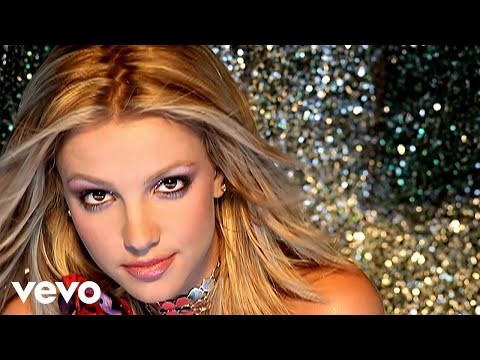
When Britney Spears released Oops!… I Did It Again in 2000, she seemed untouchable. The record’s pop sheen pushed her higher than before, yet one single on that album quietly unfolded the darker side of fame. “Lucky” offered a glimpse into celebrity loneliness long before the world recognized the cost of constant public exposure.
“Lucky” as a mirror: the song that exposed stardom’s hollow center
Written by hitmakers Max Martin and Rami Yacoub, “Lucky” frames a young star’s life as glittering yet empty. The song builds a contrast between outward success and inward despair.
Nas slams music industry over disrespect: teases new music, vows to address it
1992 vocal performances: 3 jaw-dropping moments that still amaze
- It portrays a young actress adored by millions.
- She has wealth, beauty, and public attention.
- Still, the lyrics reveal sadness and a private loneliness.
The most chilling idea is simple: fame does not guarantee fulfillment. Listeners hear a character who wins on stage but cries alone at night. That image now reads like foreshadowing rather than fiction.
How the single captured the spirit of 2000s celebrity culture
“Lucky” landed at a moment when celebrity culture shifted into overdrive. The early 2000s introduced a new kind of fame: highly visible, hyper-consumable, and constantly scrutinized.
- Tabloid magazines thrived on sensational covers and paparazzi photos.
- Reality television created a steady stream of public personalities.
- Social rituals around fame rewarded gossip and surface narratives.
Figures like Paris Hilton and Nicole Richie became emblematic of that era’s mix of glamour and scandal. The gym-bag gossip of checkout lines made private struggles into public spectacle. In this landscape, a song about a lonely celebrity felt both timely and prophetic.
Child stardom and the recurring story of isolation
Britney’s experience fits into a wider pattern seen across entertainment. Growing up in the spotlight often comes with emotional costs.
- Mental-health struggles and addiction were common outcomes.
- Some former child stars rebuilt careers; others stepped away entirely.
- Control by adults, pressure to perform, and relentless exposure created risk.
Names that come to mind include stars who dealt publicly with depression, burnout, or substance issues. Their stories underline a harsh truth: early success can mask unmet needs and lack of agency.
The public breakdown and the consequences of lost autonomy
Britney’s widely publicized struggles after 2006 brought the risks of fame into sharp relief. A very public crisis in 2007 shifted perception from pop icon to cautionary tale.
Following that period, a conservatorship began in 2008 and lasted until 2021. That arrangement placed major aspects of her life under court-appointed control. For many observers, the conservatorship became a symbol of what can go wrong when fame strips someone of decision-making power.
The central issue was not simply mental-health care. It was the degree of control imposed on a person who had once commanded stadiums and global adoration.
The cultural fallout and the movement for change
The public reaction included intense debate about guardianship, privacy, and the responsibilities of the entertainment industry. Supporters and activists raised questions about consent and legal safeguards. The conversation also shifted how fans and journalists discuss celebrity vulnerability.
Why “Lucky” still matters for pop culture conversations
Two decades on, the song reads less like a radio-friendly ballad and more like a cultural warning. It reminds us that fame can camouflage loneliness and that applause cannot replace personal support.
- “Lucky” documented a fragile interior behind a shiny exterior.
- The track anticipated the rise of tabloid-driven narratives and reality fame.
- It continues to inform debates about how society treats public figures.
When we revisit songs like this, we are invited to look beyond the headlines and consider the human cost of celebrity.
Lessons for today’s stars and audiences
The modern ecosystem of social media and streaming amplifies pressures that “Lucky” first hinted at. Young performers face nonstop scrutiny from global audiences.
To reduce harm, the industry and fans can:
- Promote mental-health resources tailored to performers.
- Challenge invasive media practices that profit from pain.
- Support policies that protect autonomy and fair legal representation.
Understanding the story behind the music helps prevent repeating past mistakes. Listening closely to songs like “Lucky” offers a way to recognize warning signs earlier.
Britney’s legacy beyond the headlines
Despite the turmoil that followed, Britney Spears’s influence on pop music and culture is undeniable. The arc from early superstardom through public struggle has reshaped how fans, media, and lawmakers view the responsibilities that come with fame.
Her career remains a touchstone for conversations about celebrity, agency, and care in the entertainment world. Revisiting the era around “Lucky” allows new generations to see how art can reflect—and sometimes predict—real life.