
Show summary Hide summary
- Why Frank Ocean retreats from the spotlight
- How the Blonde and Endless period reshaped his public image
- When live shows become a puzzle: Coachella and other performances
- What he has said about fame and the music industry
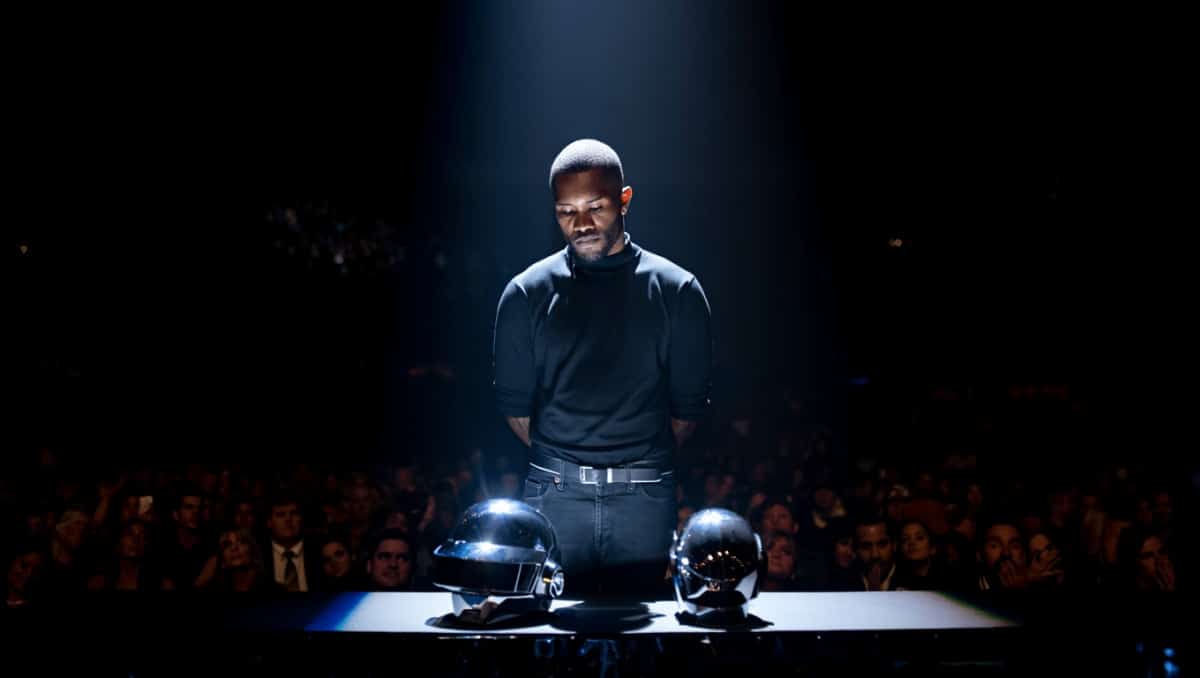
- The Daft Punk comparison and the desire for anonymized art
- How the public responds to absence
- Small signals, big reactions: how he communicates now
- What his strategy means for contemporary artists
Frank Ocean has turned absence into an aesthetic. Years after Blonde, he rarely speaks to the press and releases music on his own terms. That mystery fuels attention as much as it deflects it, making every performance and social post into a headline.
Why Frank Ocean retreats from the spotlight
Ocean’s distance from public life is deliberate. He has spoken about feeling uneasy in industry settings. The more success he amassed, the less inclined he became to participate in the routines of fame.
Nas slams music industry over disrespect: teases new music, vows to address it
1992 vocal performances: 3 jaw-dropping moments that still amaze
Privacy is a consistent priority for him — not just avoidance for its own sake, but a reaction to how attention reshapes an artist’s life. When interviews, awards shows, or red carpets lose personal meaning, he opts out.
How the Blonde and Endless period reshaped his public image
The run-up to Endless and Blonde redefined expectations. Instead of the usual promotional cycle, Ocean chose unconventional releases and long silences. That approach confused fans and industry figures.
- Endless arrived through an unorthodox visual project.
- Blonde followed as a quiet, intimate statement rather than a commercial blitz.
- Subsequent years saw sporadic singles and carefully curated appearances.
This strategy kept the work in focus while the artist receded. It also created tension. Some fans responded with impatience, even pressure.
When live shows become a puzzle: Coachella and other performances
Live appearances in recent years have been notable for unpredictability. His 2023 Coachella set drew attention for its scale and odd interruptions.
- An ambitious ice-rink concept was reportedly abandoned.
- A reported leg injury affected his second weekend performance.
- His sets often feel like fragments of a larger vision, rather than full explanations.
Even so, those shows provided rare, fleeting access. Fans treat such moments like proof he is still creating on his own terms.
What he has said about fame and the music industry
In conversations with journalists, Ocean has described fame as an uneasy presence. He admits to feeling drawn to certain cultural rites of music life, but often resists fully joining them.
He has suggested that he accepts the oddness of being recognized while wanting his work to speak louder than his persona. That balance underlies many of his decisions.
The Daft Punk comparison and the desire for anonymized art
One recurring image he returns to is the idea of anonymity within fame. He admires how some artists can become massive while keeping personal faces out of the equation.
He envies the ability to be famous without being personally exposed, even as he acknowledges that his career path makes that impossible now. That tension helps explain why he limits interviews and public appearances.
How the public responds to absence
When Ocean pulls back, fans and media rush to fill the void. The response has been mixed between adoration and impatience.
- Some treat him as an enigma worth preserving.
- Others demand new music or explanations.
- Social media moments and rare posts become amplified by speculation.
On-the-street recognition continues despite his quiet approach. People still call out for new work, showing that absence hasn’t dimmed public interest.
Small signals, big reactions: how he communicates now
With few interviews and limited appearances, Ocean uses minimal, curated signals. Short clips, select performances, and social posts act like breadcrumbs.
That scarcity makes each snippet carry outsized meaning. It also protects his creative process from becoming a production line governed by external expectations.
What his strategy means for contemporary artists
Ocean’s choices illustrate a broader question artists face: how to balance public visibility with creative autonomy. His approach argues for control over release rhythm and personal narrative.
- He shows it is possible to remain culturally prominent while rejecting promotional norms.
- His model highlights trade-offs between commercial momentum and personal boundaries.
- It encourages other musicians to consider how much of themselves they want to offer the public.










