Show summary Hide summary
Patti Smith arrived in the world on December 30, 1946, and built a career that blends sharp poetry, raw rock energy, and enduring influence. From New York’s gritty club scene to stadium stages and literary acclaim, she remains a vital force. On her 79th birthday, it’s worth revisiting the songs that shaped her reputation as punk’s poet and a restless artist who never settled for easy answers.
Patti Smith’s 1976 cry: the lasting power of “Pissing in a River”
Released as the lead single from the 1976 album Radio Ethiopia, this song captures a kind of emotional futility. The narrator gives everything and still faces silence. That tension — devotion met by indifference — is the track’s beating heart.
Nas slams music industry over disrespect: teases new music, vows to address it
1992 vocal performances: 3 jaw-dropping moments that still amaze
Why the song matters now
- It fuses confessional poetry with rock instrumentation.
- The arrangement alternates vulnerability and tension, mirroring the lyrics.
- It helped show that punk could be lyrical as well as confrontational.
Radio Ethiopia was a statement album. The song’s bleak intimacy showed Smith’s refusal to separate her poetic voice from her rock persona. Listeners felt both the ache and the stoic resignation.
Reimagining “Gloria”: how Patti opened Horses with a provocation
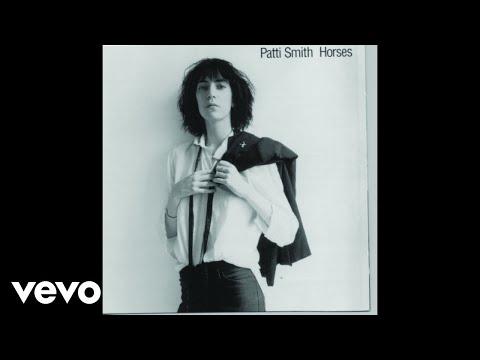
Patti Smith’s debut album, Horses, remains a landmark. Her version of “Gloria,” originally a rock standard, was transformed into something urgent and confessional. From the first phrase, she set a defiant tone for the entire record.
What she changed
- She layered spoken poetry over the familiar riff.
- Religious imagery is repurposed into personal claim and autonomy.
- The performance toggles between reverence and irreverence.
The track works as both a cover and an original manifesto. It announced a new kind of front-person who could be poetic, blunt, and electrifying all at once.
“Because the Night”: the crossover hit that blurred genres
On the 1978 album Easter, Smith scored her biggest commercial success with a tune that began as a Springsteen composition. She kept the chorus and supplied verses of her own, producing a song that fit rock radio yet retained her signature intensity.
How the song bridged audiences
- It reached mainstream listeners while keeping poetic nuance.
- The music leans toward heartland-rock, but the delivery stays intimate.
- It demonstrated Smith’s ability to adapt and expand her sonic palette.
Because the Night showed Smith could occupy both the underground and the charts without abandoning her core sensibility. The track remains a touchstone for how punk attitude can coexist with pop accessibility.
“Dancing Barefoot”: devotion, misreading, and artistic homage
From the 1979 record Wave, “Dancing Barefoot” evolved into one of Smith’s most covered songs. Critics and radio programmers at first misread a key word and hesitated. Yet the composition celebrates creation, fidelity, and a sense of spiritual surrender.
Background and inspiration
- The song nods to the life and fate of Jeanne Hébuterne, who was linked to Modigliani.
- Rather than a literal drug reference, the song explores sacred and human devotion.
- Artists across genres have paid tribute with their own versions.
Notable covers include performances by U2, First Aid Kit, and Pearl Jam. Each version highlights different aspects of the song — the elegiac melody, the hymn-like chorus, or the tender melancholy. Through reinterpretation, the song’s emotional core has only widened.
Key tracks that define Patti Smith’s influence
- Horses-era breakthroughs — where poetry and punk collided.
- Radio Ethiopia experiments — showing risk-taking and raw emotion.
- Easter’s mainstream reach — blending artistry with broad appeal.
- Wave’s elegies — songs that mix myth, history, and intimacy.
Photo by Gijsbert Hanekroot/Redferns