
Show summary Hide summary
- Ads and the Attention Economy: When Everything Sells
- Data, Surveillance, and the Fatigue of Resignation
- AI in Daily Life: From Usefulness to Dangerous Realism
- Schools, Kids, and the Burden of Adult Problems
- Healthcare: Cost, Access, and Trust Issues
- Jobs, Automation, and the Value of Work
- Food Waste and Economic Strain
- Politics, Culture Wars, and Public Symbols
- Prices, Tariffs, and the Everyday Cost of Goods
- Misinformation, Media Trust, and Access to Science
- Housing, Homelessness, and Compassion Fatigue
- Workplace Ethics and Consumer Responsibility
- Small Moments, Big Symbols
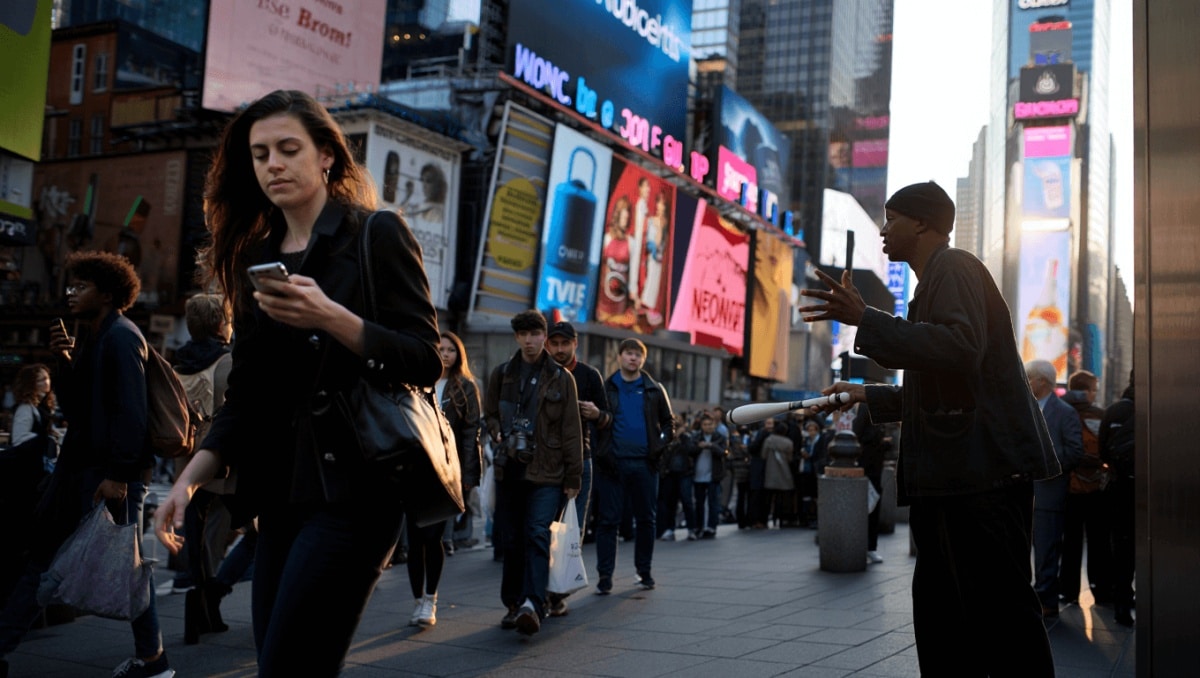
Every day brings another reminder that modern life is a crowded marketplace of attention, data, and devices. From ads stamped on fruit to AI-generated videos that fool newsrooms, many people feel squeezed by forces that monetize our time, harvest our information, and reshape work and care. Below is a fresh look at the trends and grievances people keep naming online.
Ads and the Attention Economy: When Everything Sells
Advertising has seeped into unexpected places. Grocery aisles, streaming shows, and even public spaces feel engineered to sell. That constant push strains attention and trust.
KATSEYE postpones another concert: illness details remain undisclosed
Cupertino: a stylish legal drama packed with tech twists
- Produce with branding and promotions turns shopping into a commercial experience.
- Every paused moment is potential ad space, eroding private thought.
- Consumers complain of being monetized at every turn.
Data, Surveillance, and the Fatigue of Resignation
Many accept that corporations and governments hold vast amounts of personal data. This acceptance is not calm—it’s weary. People say they’re alarmed but too tired to fight back.
- Location, purchase history, and private messages are routinely tracked.
- Surveillance feels normalized, fueling comparisons to dystopian fiction.
- Resignation replaces resistance for some.
AI in Daily Life: From Usefulness to Dangerous Realism
Artificial intelligence has leapt from novelty to omnipresence. Its rapid realism creates both convenience and risk.
Deepfakes and Misinformation
- AI-generated clips now mimic real people convincingly.
- Major outlets have mistakenly amplified fabricated videos.
- Passing off AI content as real deepens the misinformation crisis.
Automation at Work
- Companies test AI HR reps and replace frontline tasks with bots.
- Workers worry about dignity, wages, and the rise of imperfect robots.
- Some automation shifts labor to overseas gig workers at lower pay.
AI and Warfare
Reports of AI applied to military systems alarm civil society. The idea that machines could influence life-and-death decisions alarms many.
Schools, Kids, and the Burden of Adult Problems
Educators and parents report children being exposed to heavy topics early on. Hunger, climate anxiety, and politicized culture bleed into school life.
- School lunch debt forces community donations and shame.
- Some classrooms now include media literacy to detect AI fakes.
- Children’s books and representation have become political flashpoints.
People argue children should not shoulder systemic failures.
Healthcare: Cost, Access, and Trust Issues
Conversations about health costs are charged and personal. Insurance, drug prices, and gaps in women’s healthcare spark anger.
- High medication prices provoke calls for reform.
- Insurance often covers a fraction of the bill, leaving people underwater.
- Reduced funding for women’s health occurs while reproductive rights are contested.
Many say the price of care is out of step with public need.
Jobs, Automation, and the Value of Work
As algorithms and robots take on tasks, public sentiment diverges between optimism and dread.
- People miss jobs that paid living wages and respected skill.
- Robotic or outsourced labor sometimes reduces safety and service quality.
- Calls grow to revalue human labor and raise wages.
Food Waste and Economic Strain
Food waste sits beside food insecurity. Citizens are shocked by how much edible food goes unused while families struggle to pay.
- Expired product rules don’t explain all wasted bread and produce.
- Some shoppers now use installment plans for groceries.
- Public outrage targets both retailers and policy gaps.
Politics, Culture Wars, and Public Symbols
Public symbols and stories have become battlegrounds. Simple acts like displaying a flag or publishing an inclusive book can trigger partisan fight.
- Pride displays and inclusive children’s literature are labeled “political” by critics.
- These disputes often reflect deeper anxieties about identity and power.
Prices, Tariffs, and the Everyday Cost of Goods
Inflationary pressures and trade policy touch everyday shoppers. Tariffs and shifting supply chains show up on price tags.
- Consumers note updated price stickers and wonder who pays the tariff costs.
- Some label new fees with partisan nicknames to express frustration.
Misinformation, Media Trust, and Access to Science
Trust in news and research is under pressure. Paywalls and editorial mistakes compound confusion.
- Scientific studies behind paywalls hinder public understanding.
- Major outlets have corrected AI-related errors publicly.
- Media literacy and affordable access are central demands.
Housing, Homelessness, and Compassion Fatigue
Debates over homelessness mix policy with moral urgency. Many call for humane responses rather than criminalization.
- Advocates insist unhoused people need safe rest and shelter.
- Public sentiment often divides along empathy and concern for order.
Workplace Ethics and Consumer Responsibility
From fast fashion to corporate responsibility, people want better accountability. Consumers question the hidden human costs behind low prices.
- Low-cost labor abroad is criticized amid domestic job scarcity.
- Shoppers ask whether price savings justify ethical compromises.
Small Moments, Big Symbols
Occasional headlines or juxtaposed items in stores spark broader reflections. A sticker, a headline, or a placed product can feel emblematic.
- People notice irony and symbolism in everyday scenes.
- These small observations become shorthand for larger frustrations.










