
Show summary Hide summary
- How the film could have been a guilty-pleasure hit
- Why Sydney Sweeney’s portrayal falls flat
- Amanda Seyfried’s bold choices and missed support
- Romance scenes lack electricity
- Attempted genre shifts and visual restraint
- Small wins: supporting cast and a few effective scenes
- Production design, costume, and missed opportunities
- What the film tries to balance — and where it falters
- Key takeaways for curious viewers
- Release details and final notes
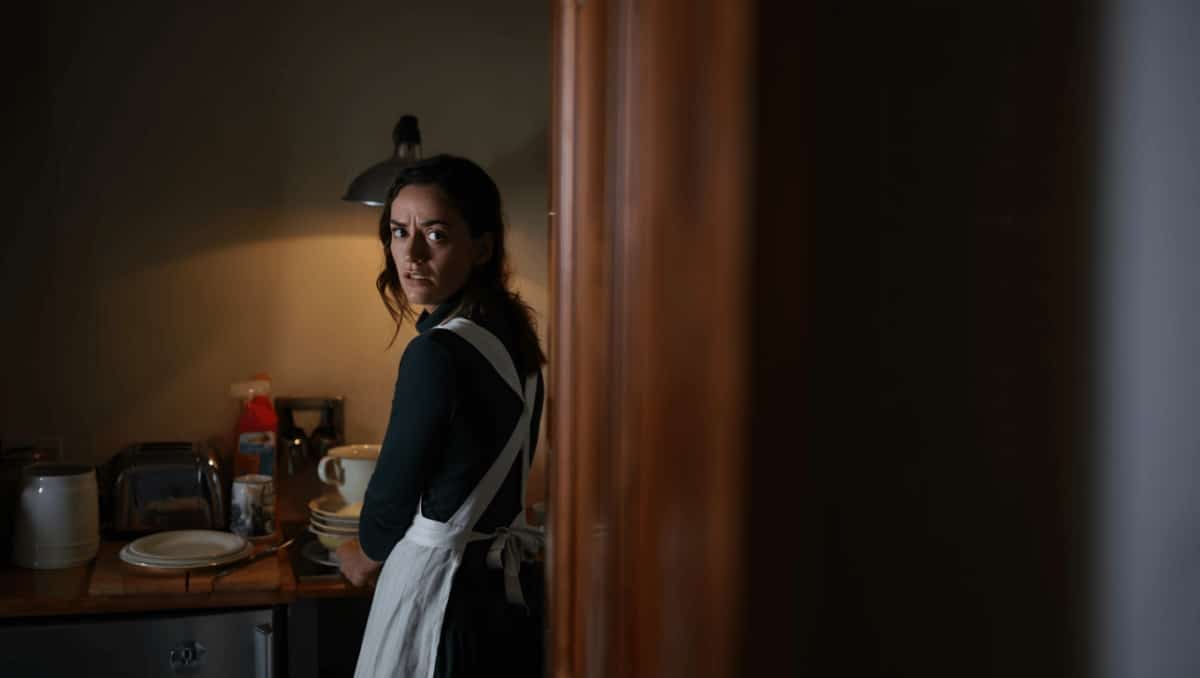
Paul Feig’s The Housemaid promised a sexy, twisty ride but arrives like a film that forgot to pick a lane. The movie flirts with trashy thriller energy and flashes of horror, yet it rarely generates heat. Instead, it limps along on a few standout moments and a cast that can’t quite rescue a script that wants to be both lurid and sleek.
How the film could have been a guilty-pleasure hit
The source novel offered a pulpy setup ripe for excess. In the hands of the right director, this story might have leaned into camp, erotic tension, or full-on psychological menace. Imagine these possibilities:
Nas slams music industry over disrespect: teases new music, vows to address it
1992 vocal performances: 3 jaw-dropping moments that still amaze
- Amplify the erotic-thriller tone with charged cinematography and bold editing.
- Push the melodrama into camp, letting characters become deliciously unhinged.
- Use production design to shift moods when secrets surface.
Instead, the adaptation often sanitizes or softens those elements. The result is a movie that wants to be thrilling but plays it safe. That mismatch is the film’s central problem.
Why Sydney Sweeney’s portrayal falls flat
Sydney Sweeney plays Millie, a young woman desperate for stability. The arc requires grit and volatility. The performance, however, stays muted. Millie’s diary moments and interior beats in the novel allowed readers into her head. The film strips much of that away.
Sweeney gives a restrained, nearly neutral take that makes it hard to feel Millie’s fear or rage. Scenes that should crackle for emotional contrast instead feel flat. Whether Millie is bullied, seduced, or cornered, her reactions rarely change.
Where the film loses the novel’s voice
- The book uses dual perspectives to build tension. The movie leans on external cues and dialogue.
- Millie’s internal life becomes a prop: a diary or a letter, rather than a lived experience.
- Without accessible inner thoughts, the screenplay asks actors to carry what the script no longer explains.
Amanda Seyfried’s bold choices and missed support
Amanda Seyfried takes the role of Nina Winchester and goes for extremes. Her Nina is volatile, performative, and often theatrical. Seyfried reaches for a heightened form of menace. Sometimes it lands. Often she’s left adrift.
The director’s staging and the editing rarely center her intensity. Costume and set could have amplified Nina’s erratic energy. Instead, the filmmaking retreats. Wide shots and jumpy edits deprive important scenes of a clear focal point.
- Seyfried attempts full-on diva theatrics in several scenes.
- The camera often cuts away at key emotional beats.
- That choice diffuses what could have been a sustained, compelling performance.
Romance scenes lack electricity
The affair between Millie and Andrew is supposed to be the film’s forbidden spark. Instead, the chemistry feels forced. Intimacy scenes appear frequently, but they rarely build tension.
Multiple sex scenes don’t generate the intended heat. Nudity is present, but emotional connection is missing. The sequences read as obligatory rather than essential to character or plot.
- The leads don’t sell passion convincingly.
- Editing choices interrupt the flow of intimacy.
- Viewers end up more aware of technique than of feeling.
Attempted genre shifts and visual restraint
Feig and screenwriter Rebecca Sonnenshine sprinkle in horror elements and a twisty finale. A few moments aim for jump-scare tension or slasher-style mayhem. But those beats feel surface-level.
The filmmakers hint at a tonal shift when the big secret emerges, yet they rarely commit to a bold visual pivot. A more aggressive change in lighting, color, or framing could have signaled a descent into chaos. Instead, the film maintains a conservative look.
Technical choices that undercut impact
- Cinematography often favors distance over intimacy.
- Editing interrupts emotional peaks rather than prolonging them.
- Music cues suggest tension but can’t manufacture it on their own.
Small wins: supporting cast and a few effective scenes
Not everything here is a miss. Elizabeth Perkins, as Andrew’s icy mother, delivers sharp, scene-stealing moments. Her presence jolts the film when other performances lag. Perkins brings a relish for cruelty that reads as calibrated and entertaining.
There are also fleeting flashes of success. A few domestic confrontations and one or two practical scares work because of confident acting and staging. Those sequences show what the film might have been with a bolder, more cohesive vision.
Production design, costume, and missed opportunities
Design could have been an ally in amplifying the story’s extremes. Think of heightened wardrobes or rooms that reflect shifting loyalties. Instead, the aesthetic is subdued. That restraint drains the film of dramatic punctuation.
- Costumes rarely declare character in the way they should.
- Sets don’t shift to reflect psychological change.
- When visuals hesitate, narrative stakes can feel lower.
What the film tries to balance — and where it falters
The Housemaid attempts to juggle erotic thriller, dark comedy, and psychological horror. That ambition is admirable in theory. In practice, the film rarely harmonizes those tones.
Instead of blending genres, it often dilutes them. Each element receives attention but not full commitment. The end result is a mixed bag: intriguing sparks, long stretches of coolness, and an ending that pivots into slasher territory without the ramp-up it needs.
Key takeaways for curious viewers
- If you want wild, indulgent suspense, this may disappoint.
- Fans of Amanda Seyfried will find bold moments of performance.
- Viewers hoping for a campy, diva-driven clash may feel shortchanged.
- Elizabeth Perkins offers a standout supporting role worth watching.
Release details and final notes
The Housemaid opens in theaters on Dec. 19. If you go, expect a film that flirts with excess but keeps pulling its punches. Some scenes reward attention; others invite impatience.










