
Show summary Hide summary
- Where the plot begins: family, loss, and the next wave of danger
- The Ash People and Varang: a striking new cultural palette
- Echoes of The Way of Water: familiar set pieces return
- New creatures and bold designs that still steal the show
- Acting highlights and family dynamics that ground the fantasy
- Technical innovation and limitations of repeating spectacle
- Key sequences that define the film’s tone and ambition
- When you can watch it and what to expect
James Cameron returns to Pandora with another visually overwhelming chapter, but the new film often feels caught between fresh invention and familiar beats. Avatar: Fire and Ash dazzles in moments, yet leans heavily on ideas and sequences the series already explored. The result is a movie that is both thrilling and frustratingly derivative.
Where the plot begins: family, loss, and the next wave of danger
The story opens in the wake of grief. Jake Sully and Neytiri are rebuilding life after the trauma of the previous film. Their family is fractured, and their youngest must navigate guilt and rage.
Nas slams music industry over disrespect: teases new music, vows to address it
1992 vocal performances: 3 jaw-dropping moments that still amaze
Grief acts as the emotional anchor for much of the film. Cameron lingers on how loss reshapes relationships and choices. That quieter work gives the film a pulse beyond spectacle.
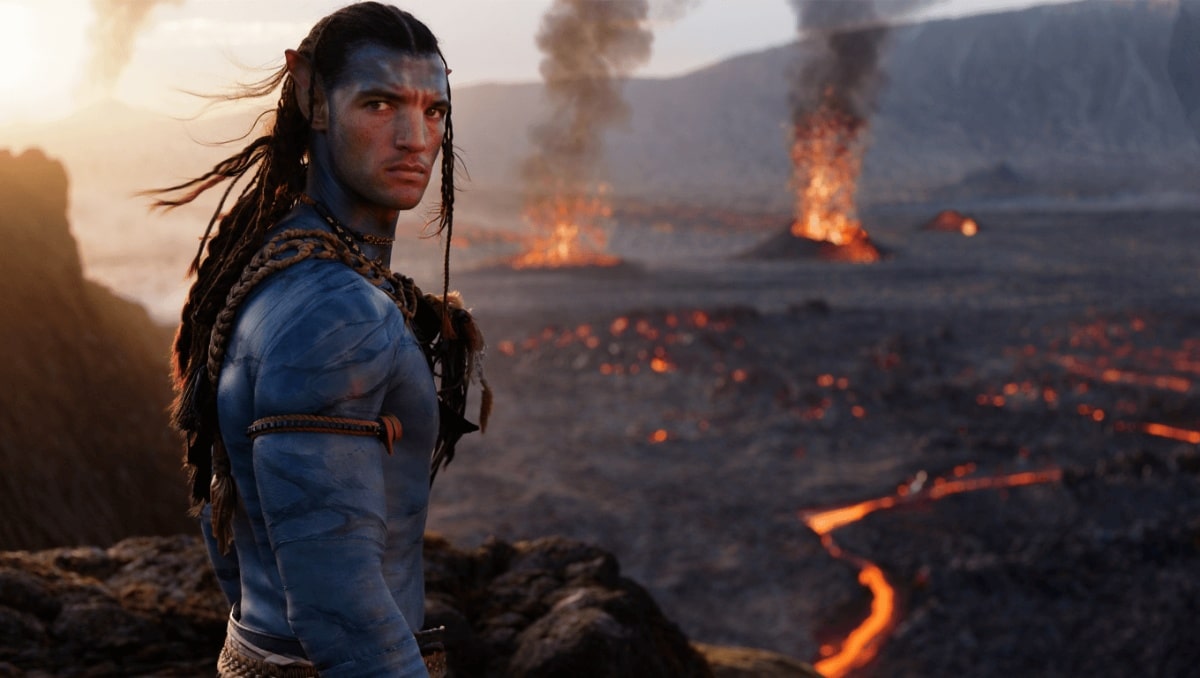
On the conflict side, threats come from two fronts. Human forces remain a global menace. At the same time, a new Na’vi faction rises: the Mangkwan, or Ash People. Their raids and destructive cult-like beliefs push the Sullys into unexpected battles.
The Ash People and Varang: a striking new cultural palette
The Mangkwan introduce a darker cultural note to Pandora. Their aesthetic and beliefs contrast sharply with the forest and ocean clans we know.
- Visual cues: ash-gray skin, red body paint, scorched landscapes.
- Beliefs: they reject Eywa and worship fire’s destructive force.
- Social structure: warlike, driven by survival after a volcanic catastrophe.
At the center stands Varang, a bewitching leader played with magnetic menace. Her presence reshapes scenes and provides the film with a magnetic antagonist. When she aligns with Colonel Quaritch, the film finds an energetic and unsettling chemistry.
Despite their promise, the Mangkwan rarely get time to breathe as a community. We learn their iconography and brutality, but not the individuals beneath the paint. That undercuts their power as a fresh cultural counterpoint.
Echoes of The Way of Water: familiar set pieces return
Fire and Ash often retraces ground from the previous film. Several major sequences feel like variations on what Cameron has already staged.
- Tulkun-related rescue and conflict scenes reappear in similar forms.
- The industrial brain-harvesting plotline returns with only slight twists.
- Iconic battles between Jake and Quaritch recur, reducing surprise.
These repeats deliver adrenaline, but they also highlight a creative limit. When spectacle repeats itself, emotional stakes must evolve. Otherwise, the payoff dwindles across installments.
New creatures and bold designs that still steal the show
Even when the story recycles, Pandora keeps inventing. Several visual concepts stand out as genuine additions to the world.
- Windtraders: nomads who ride giant medusae and windrays, forming living airships.
- Airborne medusae: opalescent creatures whose movement is hypnotic on screen.
- Human cityscapes: grim industrial environments that clash with Pandora’s natural beauty.
The Windtraders are a spectacular win. Their biology and visuals create some of the film’s most memorable moments. The industrial sequences offer a welcome tonal shift too. They reveal a colonial cruelty at the heart of the human presence on Pandora.
Acting highlights and family dynamics that ground the fantasy
Performance-wise, the film balances showmanship with quieter emotion. Sam Worthington and Zoe Saldaña carry the weight of family trauma well. Their scenes feel lived-in and raw at times.
Stephen Lang returns as Quaritch with the pushy bravado that makes his return entertaining. Oona Chaplin’s Varang, however, elevates every scene she touches. Her delivery is sly, frightening, and utterly watchable.
Lo’ak’s arc offers the most intimate thread. His guilt and restlessness humanize the larger conflict and provide a relatable vantage point for the audience.
Technical innovation and limitations of repeating spectacle
Cameron keeps pushing technological boundaries. Motion capture underwater and luminous environments remain achievements few filmmakers can match.
Yet the technical prowess sometimes masks narrative inertia. When set pieces echo past triumphs, the novelty drops. The film still impresses, but the wonder feels diluted.
Key sequences that define the film’s tone and ambition
Certain scenes clarify what the movie wants to be. They also reveal where it stumbles.
- Family mourning scenes: intimate, emotionally grounded.
- Mangkwan encounters: visually bold, underdeveloped socially.
- Final battle: spectacular in scope, familiar in beats.
- Human city raid: gritty, a surprising texture change.
These sequences show a filmmaker still willing to take risks. They also show a franchise that must choose between repeating past glories and forging new directions.
When you can watch it and what to expect
Avatar: Fire and Ash opens in theaters on Dec. 19. Viewers can expect a film heavy on visual invention and uneven on narrative novelty.










