
Show summary Hide summary
- Breaking the mold: how his sound diverged from R&B norms
- Songwriter roots: collaborations that reveal his range
- Influences beyond the genre: indie, alternative, and the unexpected
- Industry reaction: admiration from music heavyweights
- Why he pushed back on the “R&B” label
- What his stance means for future artists and listeners
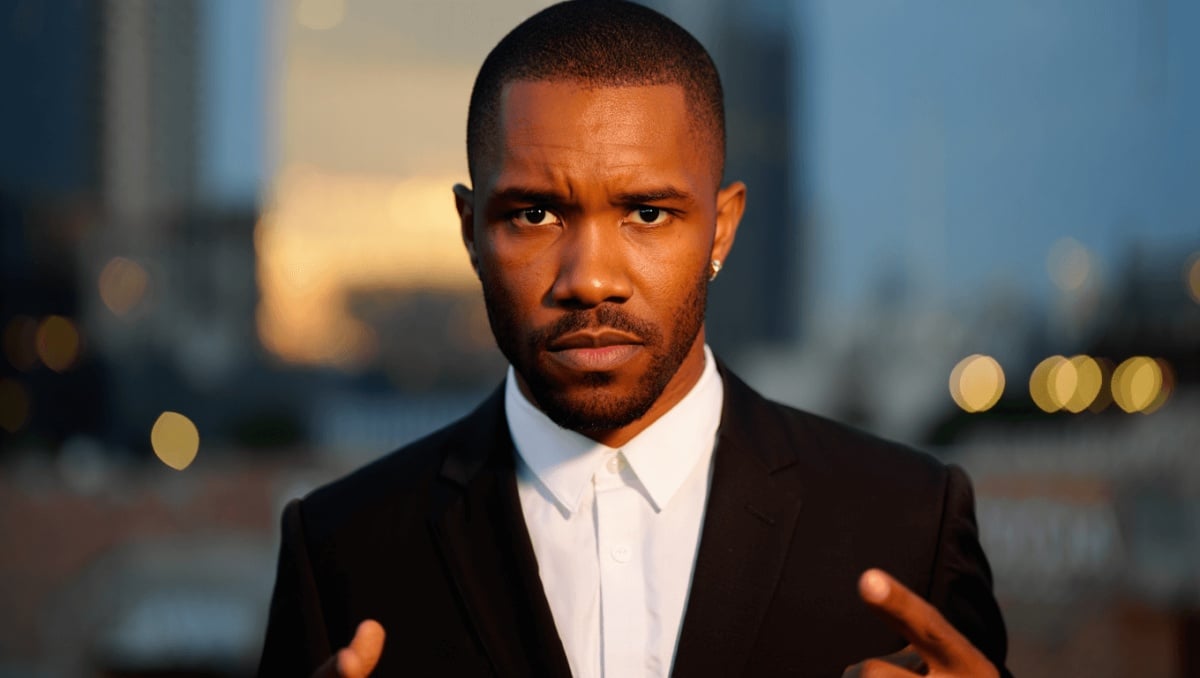
Frank Ocean arrived on the scene like an artist from another planet, rewriting expectations for what contemporary R&B could be. From early mixtapes that fused indie textures with soul to albums that turned pop star collaborators into fans, his career has been defined by a restless curiosity. That blend of influences made him both celebrated and misunderstood.
Breaking the mold: how his sound diverged from R&B norms
When Frank first released his bedroom-recorded work, listeners noticed something unusual. Instead of following established R&B patterns, he layered atmospheric guitars, ambient textures, and uncommon covers. These choices set him apart.
New music Friday: 5 must-hear songs this week
Street Fighter review: video game adaptation knocks itself unconscious
- He drew from artists outside mainstream Black music traditions.
- He mixed lo-fi production with lush orchestration.
- He embraced emotional, narrative songwriting over radio formulas.
That hybrid approach changed how people categorize his music. Fans and critics began to argue about labels the moment his name rose in public discourse.
Songwriter roots: collaborations that reveal his range
Long before he became a solo phenomenon, Frank worked behind the scenes. He wrote songs and contributed to records for well-known figures across pop and R&B. Those early credits show a versatility few expected from an emerging artist.
Notable partnerships
- Songs and touches for mainstream R&B and pop performers.
- Sessions that required traditional craft and radio sensibility.
- Projects that let him learn industry mechanics while shaping his own voice.
His time as a songwriter gave him a deep understanding of song structure. Yet he deliberately moved away from those templates when making his own records.
Influences beyond the genre: indie, alternative, and the unexpected
One reason Ocean’s music sounded unlike typical R&B was his list of inspirations. He cited artists and sounds from outside the genre. That openness invited comparisons to artists who rarely appear in R&B conversations.
- Alternative rock and dream pop textures.
- Minimalist production choices from indie records.
- Eclectic covers that startled listeners used to genre boundaries.
His choices broadened the sonic palette for contemporary soul. Fans heard Coldplay-like moods and melancholic alternative touches alongside classic R&B elements.
Industry reaction: admiration from music heavyweights
As his distinct voice reached wider audiences, key figures in music took notice. Producers and artists across hip-hop and pop praised his vision and often sought him out.
- Major collaborators publicly endorsed his artistry.
- Top-tier artists admired his willingness to experiment.
- His aesthetic influenced the sound of popular music in subtle ways.
This attention helped cement his influence. Yet praise from icons did not erase the label debates that followed him.
Why he pushed back on the “R&B” label
Frank has repeatedly resisted being boxed in by a single genre tag. He argues that calling his records simply R&B flattens their complexity. For him, the music is a collage of references and moods.
He sees his work as a fusion, not a boxed genre document. The term “R&B” often feels imprecise when applied to music pulling from rock, ambient, and avant-garde sources.
On identity and classification
Part of the resistance stems from how labels are applied in the industry. Frank noted that artists of different backgrounds are often funneled into familiar categories, regardless of sonic nuance.
- Genre tags shape marketing and audience expectation.
- Race and industry history influence how labels are assigned.
- Artists who blur boundaries can be misread by critics and executives.
What his stance means for future artists and listeners
By refusing a neat label, he opened a path for other artists who mix styles. His career shows how creative freedom can reshape popular taste.
Listeners now expect more cross-genre experimentation from contemporary R&B artists. Record stores, playlists, and streaming categories have had to adapt.
That shift is ongoing. As new musicians cite his work, the conversation about genre, identity, and influence continues to evolve without clear boundaries.










