
Show summary Hide summary
- How the song took shape and changed before release
- Controversy, TV bans and retail refusals
- What Cobain repeatedly said the song was about
- Key moments in interviews that clarified intent
- How Cobain framed the song’s narrative and tone
- Public perception vs. artistic intention
- Legacy of a provocative track in Nirvana’s catalog
When Kurt Cobain first put pen to paper for the song that became known as “Rape Me,” he wanted to be unmistakable. What followed was a clash between blunt artistic intent and public misreading, a media firestorm, and repeated attempts by Cobain to steer the conversation back to the song’s intended subject: sexual violence.
How the song took shape and changed before release
The song began in 1991, in the months leading up to Nirvana’s global leap with Nevermind. Early live takes lacked the bridge that later appeared on In Utero. By the time the band recorded the 1993 album, the track had been reshaped.
Smashing Pumpkins reunite with legendary 90s producer Butch Vig on new Hunger Games track
U.K. terror plot: what we know and why the Gulf remains in limbo
- First drafts and live performances: 1991, raw and shorter.
- Studio refinement: bridge added for the In Utero sessions in 1993.
- Final album placement: included on In Utero with a more complete arrangement.
Controversy, TV bans and retail refusals
The song became a lightning rod almost immediately. Broadcasters and retailers reacted strongly. MTV blocked the band from performing it at a major awards show. Several big U.S. stores hesitated to stock the new album.
- MTV VMA ban: prevented a scheduled live rendition in 1992.
- Retail backlash: corporate chains initially reluctant to sell In Utero.
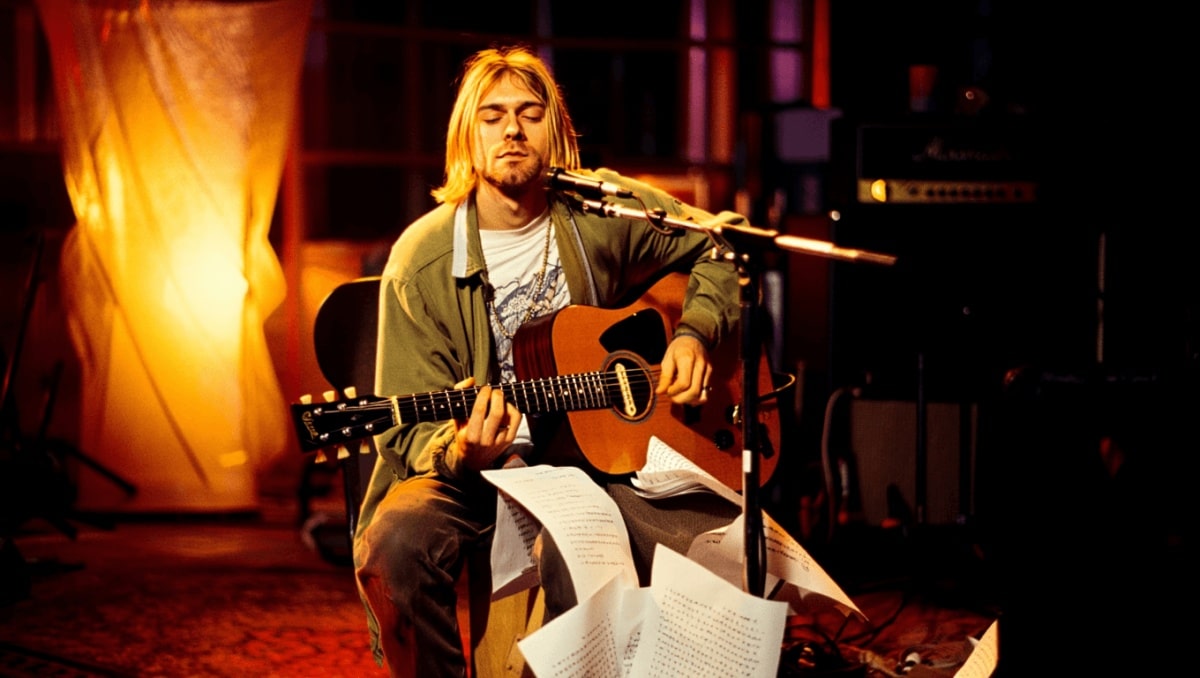
- MTV Unplugged moment: Cobain teased the track before switching to a safer song.
That brief tease during an unplugged set created friction with network executives. It showed how even a few notes could inflame corporate sensibilities.
What Cobain repeatedly said the song was about
Facing repeated questions in interviews, Cobain grew careful but direct. He described the song as an explicit response to sexual violence. He wanted listeners to have no doubt about his stance.
- Cobain stressed the track was created as a statement against sexual assault.
- He admitted frustration that his other songs had been widely misread.
- To avoid ambiguity, he aimed for bluntness in lyrics and tone.
He insisted the song was not a critique of the press. That misunderstanding became a frequent topic in conversations with journalists.
Key moments in interviews that clarified intent
Across several 1993 interviews, Cobain revisited the topic. He referred to media coverage of the band and growing misunderstandings of past songs as motivation to write something plainly anti-rape.
August 1993 conversation
In one magazine interview that summer, he explained why the approach was so stark. Cobain said earlier tracks such as “Polly” and “About a Girl” had been read in ways he never intended.
- He viewed “Rape Me” as deliberately straightforward.
- He wanted to eliminate room for alternate readings.
- He framed the song as a reaction to real-world violence and misunderstandings.
How Cobain framed the song’s narrative and tone
At times Cobain used dark, ironic examples to make a point about consequences and justice. He spoke about the song’s twist on power and control.
His language was meant to shock on purpose. That shock, he believed, helped underline a rejection of sexual violence rather than an endorsement.
Public perception vs. artistic intention
The gap between what Cobain intended and how audiences and gatekeepers reacted is a study in how art can be reinterpreted. The song became shorthand for controversy, even as Cobain tried to force clarity.
- Artists can be misread, especially when they refuse to soften difficult subjects.
- Media attention amplified misunderstanding rather than resolving it.
- Cobain’s repeated statements aimed to reclaim the narrative.
Legacy of a provocative track in Nirvana’s catalog
Even years after its release, the song remains a reference point. It shows how a single track can trigger debates about intent, censorship, and responsibility in popular music.
Cobain’s insistence on clear messaging in interviews helped shape the way historians and fans interpret the song today.











