
Show summary Hide summary
- Greene speaks out ahead of House vote on Epstein records
- How she redefined “traitor” and “patriot” in her message
- What the Epstein files vote meant for Greene’s break with Trump
- Online reaction: supporters and critics respond
- Greene’s safety concerns after Trump’s remarks
- Trump’s account: endorsement, or lack of one
- Why the Epstein records remain politically explosive
- What this episode signals for intra-party relations
Republican Rep. Marjorie Taylor Greene pushed back this week after former President Donald Trump publicly labeled her a “traitor.” Her remarks, tied to a heated fight over releasing records connected to Jeffrey Epstein, intensified a rift inside the GOP and drew a fierce online reaction.
Greene speaks out ahead of House vote on Epstein records
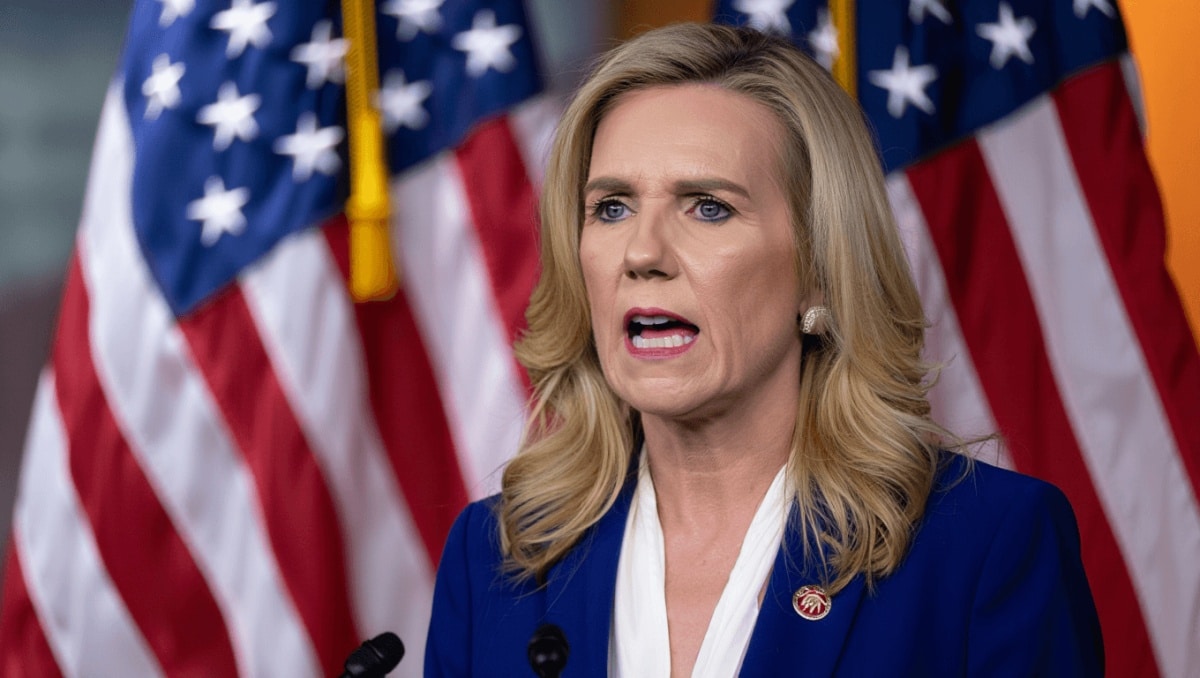
At a press gathering outside the Capitol just before a crucial House vote, Greene took the podium to address Trump and defend her actions. She framed her stance as loyalty to victims and argued that transparency was the goal.
KATSEYE postpones another concert: illness details remain undisclosed
Cupertino: a stylish legal drama packed with tech twists
Her remarks came as lawmakers prepared to vote on unsealing documents tied to Epstein. Greene said her decision to support the release was rooted in supporting survivors, not in rebelling against party leadership.
How she redefined “traitor” and “patriot” in her message
Greene rejected Trump’s label and offered a stark contrast. In her telling, a traitor is someone who serves foreign interests or personal gain over country. By contrast, a patriot serves Americans and defends victims of abuse.
- She emphasized standing with survivors of sexual abuse and trafficking.
- She argued that the public deserves transparency from powerful people.
- She said she would not remove her name from a discharge petition that would force the release of certain files.
What the Epstein files vote meant for Greene’s break with Trump
The dispute over the records appears to be the flashpoint. Greene says her decision to press for disclosure put her at odds with Trump, who initially opposed the release. That disagreement then spilled into personal attacks and accusations.
Greene framed her choice as one of principle: pressure from constituents and survivors pushed lawmakers to act. She presented the vote as the result of public demand for accountability.
Online reaction: supporters and critics respond
Video of Greene’s speech circulated quickly. Responses from conservative circles were sharply critical. Some commentators accused her of fracturing the movement. Others used misogynistic language to disparage her.
- Supporters praised her for backing victims.
- Critics said the moment exposed divisions within the MAGA coalition.
- Some social posts argued the incident showed broader cultural tensions about women in leadership.
Greene’s safety concerns after Trump’s remarks
Greene told reporters that being labeled a “traitor” by a powerful political figure could have dangerous consequences. She said such language can inflame hostility and put her at personal risk.
She urged caution about rhetoric that might radicalize others. Her comments highlighted the real-world stakes of heated public rhetoric.
Trump’s account: endorsement, or lack of one
Trump has suggested the split emerged after Greene failed to secure his backing for a Senate bid. He implied that political decisions, not policy disagreements, drove their estrangement.
The exchange has fed media attention on whether personal slights or policy disputes are the larger force shaping the GOP’s internal battles.
Why the Epstein records remain politically explosive
The documents are seen as potentially damaging to high-profile figures. Greene cast the push to release them as a fight for victims and for institutional accountability.
Many lawmakers worry the files could become a lasting political liability, while advocates for disclosure argue secrecy protects the powerful.
What this episode signals for intra-party relations
The clash shows how policy fights can quickly turn personal within modern politics. It also reveals competing priorities among conservatives: loyalty to political figures versus public pressure for disclosure.
Republican unity faces new tests as elected officials navigate constituent demands, media scrutiny, and the influence of former leaders.










