
Show summary Hide summary
- Pregnant in the middle of COVID: an unexpected reality
- First appointment: assumptions in a bright office
- Counting choices: pressure, judgment, and a plan
- Picking a method: medication abortion over surgery
- The physical aftermath: bleeding, pain, and fear
- Facing surgery: what the hospital felt like
- Aftercare, secrecy, and the social landscape
- How interactions shaped the experience
- Friendships, babies, and complex feelings
- Practical notes on medication abortion and follow-up care
- Reflections amid changing laws and norms
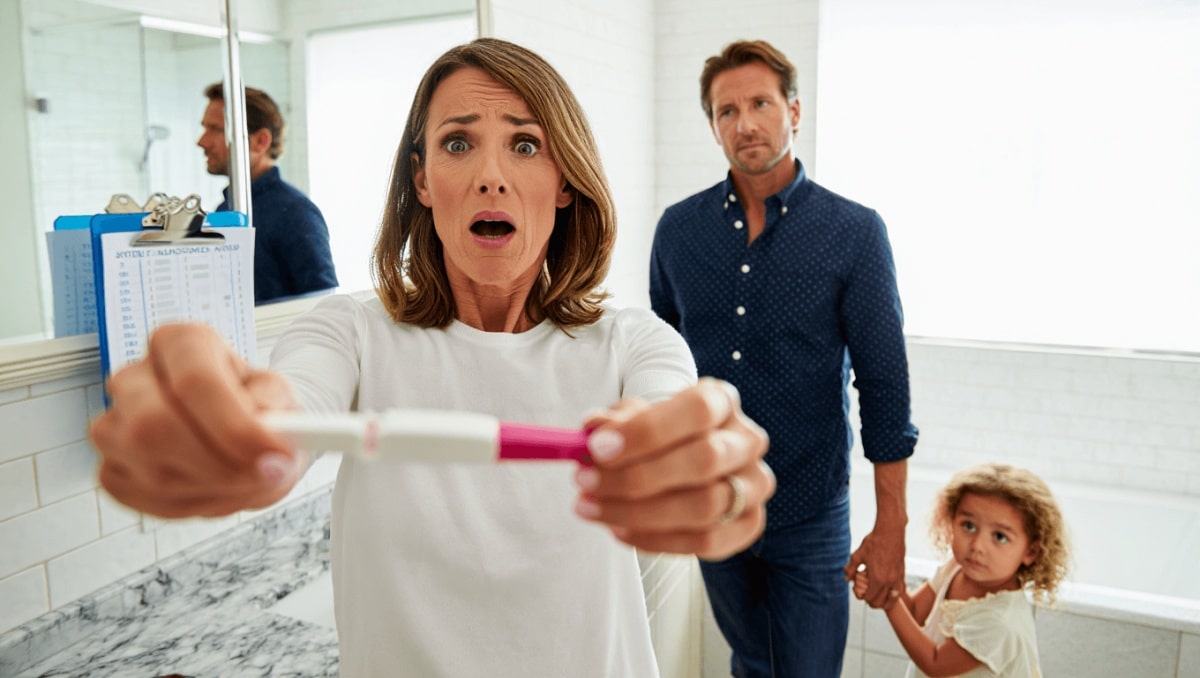
The test strip showed two lines in the middle of a pandemic. I was in my early 40s, married, and already parenting a young child. Instead of joy, I felt a sharp, immediate panic that would not relent.
Pregnant in the middle of COVID: an unexpected reality
I had assumed my symptoms were stress or the virus itself. Helicopters throbbed overhead. My cycle was irregular. A glass of wine tasted wrong. Those small, precise signals pushed me to take a pregnancy test — and then another.
KATSEYE postpones another concert: illness details remain undisclosed
Cupertino: a stylish legal drama packed with tech twists
My husband smiled when I told him. That smile tightened the knot in my chest. At 41, running a small business and caring for a six-year-old during remote school, I could not imagine adding another child right then. The thought of taking leave that would eviscerate our income felt impossible.
Still, I wrestled with guilt. Who was I to weigh my own needs when many people parented with far less? The conflict sat heavy and private.
First appointment: assumptions in a bright office
I chose a nearby clinic I could walk to. It felt safer than public transit. I double-masked and waited alone under fluorescent lights.
The ultrasound showed movement. The clinician announced the pregnancy and the gestational age. She seemed to assume I would want to continue.
She then used a phrase that felt like a label. “You’re a geriatric pregnancy,” she said, and listed tests and weekly visits. The word carried a social sting. I was 41, not ancient. Yet this medical term snapped something into focus.
The question no one expected me to ask
“What if I’m not sure?” I asked. The room tilted for a moment. The provider seemed unprepared for doubt from a married mother in her 40s. She spoke of options, but not with the neutral, practical tone I needed.
Counting choices: pressure, judgment, and a plan
Back on the street, I folded the black-and-white ultrasound into my pocket. Bloodwork taken for the “geriatric” label left me dizzy and weepy.
I thought about statistics later. Most people who have abortions already parent. Many couples under 50 do not want another child. These facts did not quiet my private turmoil.
At the clinic I encountered mixed responses:
- Warm, congratulatory care that assumed joy.
- Cold paternalism from a physician who scolded me for being “irresponsible.”
- Clinical explanations of medication risks, delivered in a tone that felt both hurried and moralizing.
The contradiction was jarring: being labeled both too old and irresponsible in the same hour.
Picking a method: medication abortion over surgery
I decided on medication abortion. The two-drug regimen, mifepristone followed by misoprostol, felt like the clearest choice for privacy and control.
Staff explained complications. I listened, but urgency trumped anxiety. I wanted the process started and finished.
The pills were handed to me wrapped in a tissue. The gesture felt furtive, as if the space believed I should be ashamed. I left with instructions and a small, steady burn of anger.
The physical aftermath: bleeding, pain, and fear
That evening I passed clots and bled heavily. No one talks plainly about the corporeal side of ending a pregnancy—the blood, the tissue, the eerie, private horror of it.
One week later, a follow-up exam revealed retained tissue. A clinician explained that medication abortion is effective most of the time, but not always. I was in the unlucky minority.
Options narrowed. The clinic recommended a D and C — a dilation and curettage — under anesthesia. The idea of surgery shocked me, but left me with no real choice.
Facing surgery: what the hospital felt like
My husband and daughter accompanied me to the hospital. I wanted my daughter kept away from the operating room. Instead, my husband was pulled inside to sign forms and talk to a doctor.
The physician who administered anesthesia asked why I had chosen abortion when I already had a child. His tone was probing, as if explanation could be demanded.
I went under, then woke in a recovery room foggy and quiet, with family faces around me. The procedure had been done. The physical risk was over, but other feelings remained.
Aftercare, secrecy, and the social landscape
I wondered whether my daughter would know. Would she ever feel unwanted? Would I tell her this story someday? Parenthood had been complicated before this pregnancy. The memory of a prior delivery that almost required a C-section returned in detail.
When Roe v. Wade was overturned, my mind returned to that retained tissue, the D and C, and the fragile safety net I’d used. I thought about people in states where abortion access became illegal. Many order pills online. Medication abortion is highly effective, but not perfect.
If someone takes pills at home and they don’t work, where can they turn? Who will perform the follow-up care? Who will help when a procedure is needed?
How interactions shaped the experience
Across visits, I encountered different tones and treatments:
- Compassion from some clinicians who simply did their jobs.
- Judgment from others who framed my choice as moral failure.
- Administrative coldness in the form of bills, copays, and obligatory follow-ups.
These attitudes mattered. They added shame to pain and bureaucracy to grief. They shaped how I felt about a decision I had already weighed painfully.
Friendships, babies, and complex feelings
Months later, friends who had unexpected pregnancies delivered babies in the same month I would have. I met one of those children and read books to her with my daughter.
Watching them play, I felt waves of what-ifs. I pictured a sister for my girl and imagined the adults they could become together. The image brought both sorrow and a steady conviction: my choice had been made from a place of care.
There was grief, but not regret. The decision freed certain possibilities and closed others.
Practical notes on medication abortion and follow-up care
- Medication abortion is effective about 95% of the time.
- After taking pills, expect bleeding and cramping. Retained tissue is a possible complication.
- Follow-up is essential. If bleeding is heavy or fever develops, seek immediate care.
- Legal and geographic barriers affect access to follow-up procedures.
Reflections amid changing laws and norms
The pandemic made everything feel raw: infections, fear, remote schooling, and suddenly the logistics of family life. My choice was private and practical. It sat within a public debate that has only grown louder.
When policy shifts reshape access, ordinary private choices become fraught and risky. I remember the Kleenex-wrapped bottle of pills, the disapproving remarks, the people who treated me like an exception. I also recall the friend who held my hand as I took those pills and the nurse who checked my uterus without judgment.
These details form the ledger of an experience lived in plain daylight, but hidden by stigma and policy. The work of health care, law, and community continues to determine whether people can make these choices safely and privately.










