
Show summary Hide summary
- How EJAE pivoted after being dropped by her label
- Mental health and the decision to step back from idol life
- From producer to animated film voice: EJAE’s new creative roles
- Inside the soundtrack: collaboration and craft
- Creators on the impact: why this project resonated
- What the project signals for K-pop in global entertainment
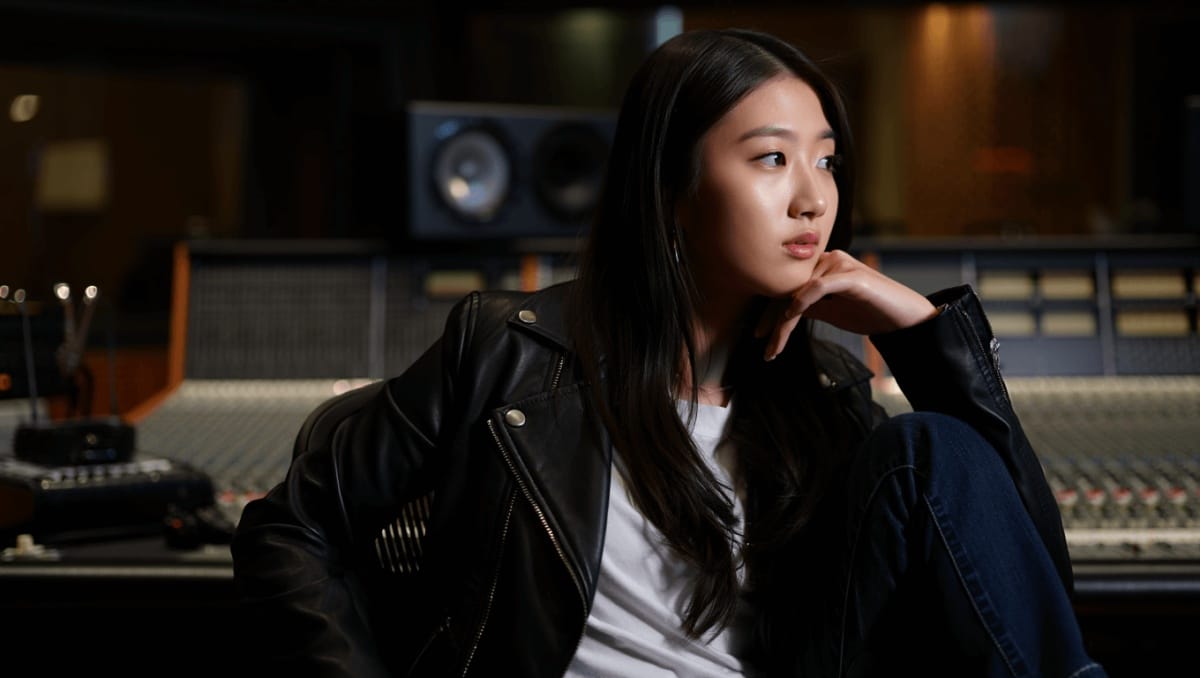
KPop Demon Hunters has become one of 2025’s most talked-about properties, and its rise hides an unexpected backstory. At the heart of that story is EJAE—born Kim Eun-jae—whose journey from long-time K-pop trainee to behind-the-scenes songwriter and the singing voice of an animated character reshaped her career and helped the project break out.
How EJAE pivoted after being dropped by her label
Kim Eun-jae entered the K-pop system as a child trainee. Years of practice and auditions followed. In her early twenties, her label severed ties.
Nas slams music industry over disrespect: teases new music, vows to address it
1992 vocal performances: 3 jaw-dropping moments that still amaze
Rather than vanish from music, she changed course. She embraced beat-making and production. The SoundCloud scene drew her in. She began releasing tracks and learning to produce on her own.
- Started training at age 11
- Spent over a decade in the trainee system
- Transitioned to songwriting and independent production in her twenties
Her career moved from performing to creating. That shift unlocked opportunities she hadn’t expected.
Mental health and the decision to step back from idol life
Industry pressures weighed heavily. Online scrutiny and looks-focused criticism proved draining. She watched peers struggle under the toll.
After seeing tragic outcomes among friends, she made a deliberate choice to prioritize wellbeing over the idol track. That decision redirected her ambitions and preserved her ability to make music on her terms.
She traded the spotlight for creative control and peace of mind. That trade led to new roles in music and voice work.
From producer to animated film voice: EJAE’s new creative roles
Today, EJAE contributes to KPop Demon Hunters in multiple ways. She co-writes songs and provides the singing voice for an animated character. Her fingerprints are on the film’s soundtrack.
The move into animation and soundtrack work is a different kind of visibility. It showcases her vocal talent without the traditional idol machinery.
Inside the soundtrack: collaboration and craft
The movie’s music came together through teamwork across borders and disciplines. Songwriters, producers, and executives invested time and care.
- Songwriters helped shape character-driven tracks
- Producers built beats that mix K-pop elements with cinematic sounds
- Music executives coordinated international talent and promotion
The result was a soundtrack born of persistence—not instant pop formula.
Creators on the impact: why this project resonated
Collaborators say the film’s success wasn’t automatic. It grew from word of mouth and the genuine enthusiasm of fans.
Many involved describe the effort as a labor of love. Instead of relying on a massive franchise, the team leaned on careful craft and audience connection.
That approach helped KPop Demon Hunters reach broader conversations about K-pop and animation.
What the project signals for K-pop in global entertainment
KPop Demon Hunters illustrates new paths for Korean pop culture in global media. Film, animation, and streaming soundtracks offer fresh channels for artists and writers.
For creators like EJAE, those channels provide space to shape music while avoiding aspects of idol culture they find harmful.
- Soundtracks can spotlight behind-the-scenes talent
- Animation opens doors for cross-cultural storytelling
- Independent production allows creative freedom
The franchise shows how music careers can evolve beyond the idol model.











