
Show summary Hide summary
- From indie icon to pop crossroads: the pressure behind the moment
- Booked for Rockefeller Center: the gig that should have been festive
- Backstage chaos: illness, tracks, and a disconnected setup
- The makeover surprise: a look she didn’t recognize
- On air: missed cues, dead air, and a frozen moment
- Immediate fallout: criticism, viral whispers, and shaken confidence
Liz Phair’s name still evokes the gritty spirit of ’90s alt-rock, but even icons have moments they’d rather forget. A resurfaced telling of a holiday TV gig reveals how a high-profile appearance at Rockefeller Center spiraled into a public embarrassment that left her reassessing fame, image, and artistic choices.
From indie icon to pop crossroads: the pressure behind the moment
By the early 2000s, Phair had navigated a shift few artists escape. After scoring a mainstream hit, she began working with pop producers and booking major televised events. That pivot came with benefits: broader reach, big-stage payoffs, and new expectations.
Nas slams music industry over disrespect: teases new music, vows to address it
1992 vocal performances: 3 jaw-dropping moments that still amaze
But that new trajectory also brought friction. The indie audience that adored her raw vocals and candid lyrics grew skeptical. Industry players expected polished performances. Television demanded a different kind of polish — and quick adaptability.
- Commercial goals: songs tailored for radio and wider audiences.
- Heavy booking: consecutive appearances and high-stakes live broadcasts.
- Image changes: stylists, makeup, and producers shaping a TV-friendly persona.
Booked for Rockefeller Center: the gig that should have been festive
When she was invited to sing a holiday standard at the Rockefeller Center tree lighting, Phair accepted with excitement. The event promised visibility on a national stage and the kind of seasonal spotlight most artists welcome.
Yet on the day, everything that could go wrong began to pile up. She came down with a severe case of the flu. Fever, chills, and weakness hit her just hours before showtime. Canceling wasn’t an option: the appearance had been publicized and the show would air live.
Backstage chaos: illness, tracks, and a disconnected setup
Live TV routines often rely on precise cues and rehearsed timing. For Phair, the combination of illness and a prerecorded backing track made that precision impossible.
- Illness: fever and uncontrollable chills affected breathing and focus.
- Playback reliance: a karaoke-style track required perfect synchronization.
- Technical pressure: earpieces and cues that left little room for error.
The result was disorientation. In her own words, the mismatch between what she heard and what played offstage left her scrambling for the melody.
The makeover surprise: a look she didn’t recognize
Sitting in the hair and makeup chair, Phair admits she barely registered the stylists’ work. Between battling flu symptoms and rehearsing cues, she didn’t realize how dramatically her look had shifted until she faced a mirror.
She found herself wearing staged curls and polished makeup more suited to a network anchor than an alt-rock singer. The unexpected transformation felt alienating. When she asked a close member of her team how it appeared on camera, the response was frank: it wasn’t flattering, but there was no time to change it.
The dissonance between her signature image and the TV-ready styling amplified the sense of being out of place.
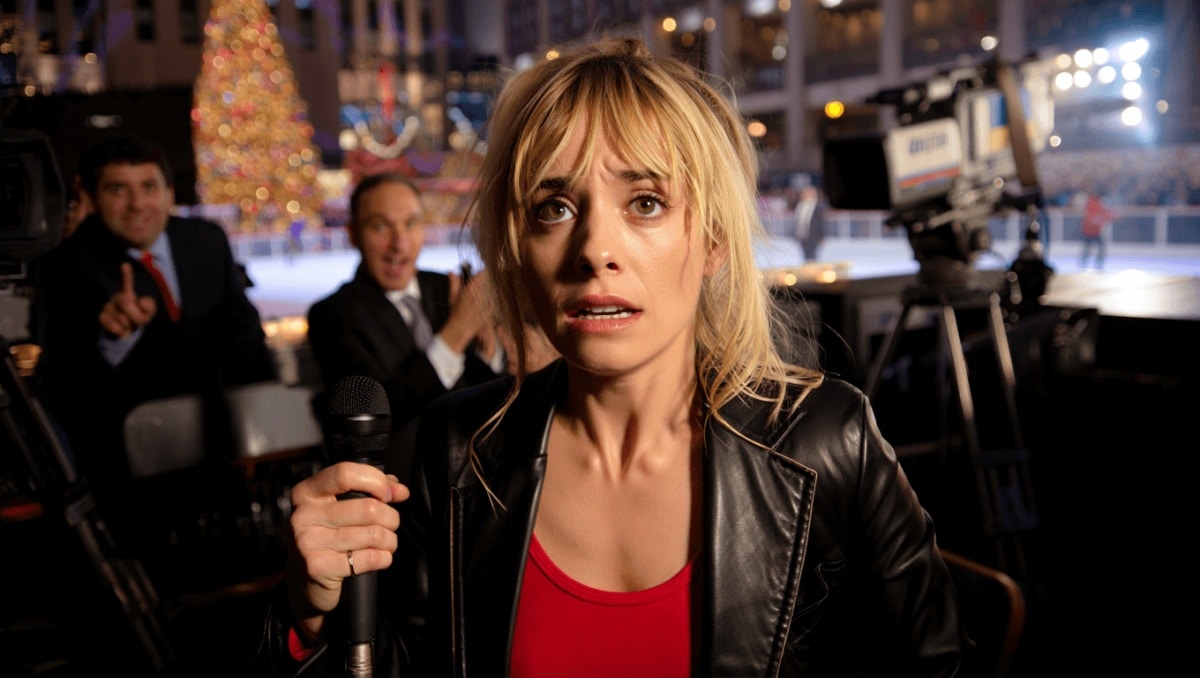
On air: missed cues, dead air, and a frozen moment
Standing under the lights, Phair listened for the musical cue that would launch her line. A delay in the track left her waiting. When the instrumental finally began, the melody she’d been holding in her head did not match the chords blasting through the speakers.
Such a mismatch can derail even seasoned pros. She tried to locate her place in the song, but the moment stretched into several awkward seconds. Cameras captured her stunned expression. Viewers saw a performer who seemed bewildered and immobile.
- Two bars of silence turned into an unplanned pause.
- When singing resumed, melody and chords clashed.
- The televised freeze-frame emphasized anxiety over artistry.
It was an unforgiving combination: a live audience, televised scrutiny, and a performer struggling to stay anchored.
Immediate fallout: criticism, viral whispers, and shaken confidence
After the broadcast, reaction was swift. Critics and viewers weighed in. For an artist already navigating questions about selling out, the episode became more ammunition for detractors.
The experience was painful, but it also crystallized something for Phair. She realized that forced performances and appearances disconnected from her musical truth would not satisfy her. Going forward, she resolved to prioritize authenticity over obligation.
Lessons taken from one bad night
- Never underestimate how physical illness can affect performance.
- Live TV leaves little room for improvisation when tracks and cues fail.
- Image adjustments can alienate an artist from their audience.
That Rockefeller Center night became a turning point. Rather than retreating into regret, she used the moment to re-evaluate what she wanted from her career and public persona.











