
Show summary Hide summary
- Nirvana Bleach recording in 1988: the moment it began
- Why the album was named Bleach: a gritty public health poster
- Recording team and guest musicians who shaped the sound
- Low-budget production: how they paid for the record
- How the band wrote and rehearsed: riffs, bass lines, and daily practice
- Scenes from Seattle: the studio, the local network, and influence
On December 24, 1988, Nirvana stepped into a Seattle studio to begin what would become Bleach, their raw and influential debut. The sessions were humble and hectic, yet a single poster and a handful of late-night jobs helped shape the record’s identity. This is the story behind the making of Bleach, told through the people, places, and strange inspirations that gave the album its name and sound.
Nirvana Bleach recording in 1988: the moment it began
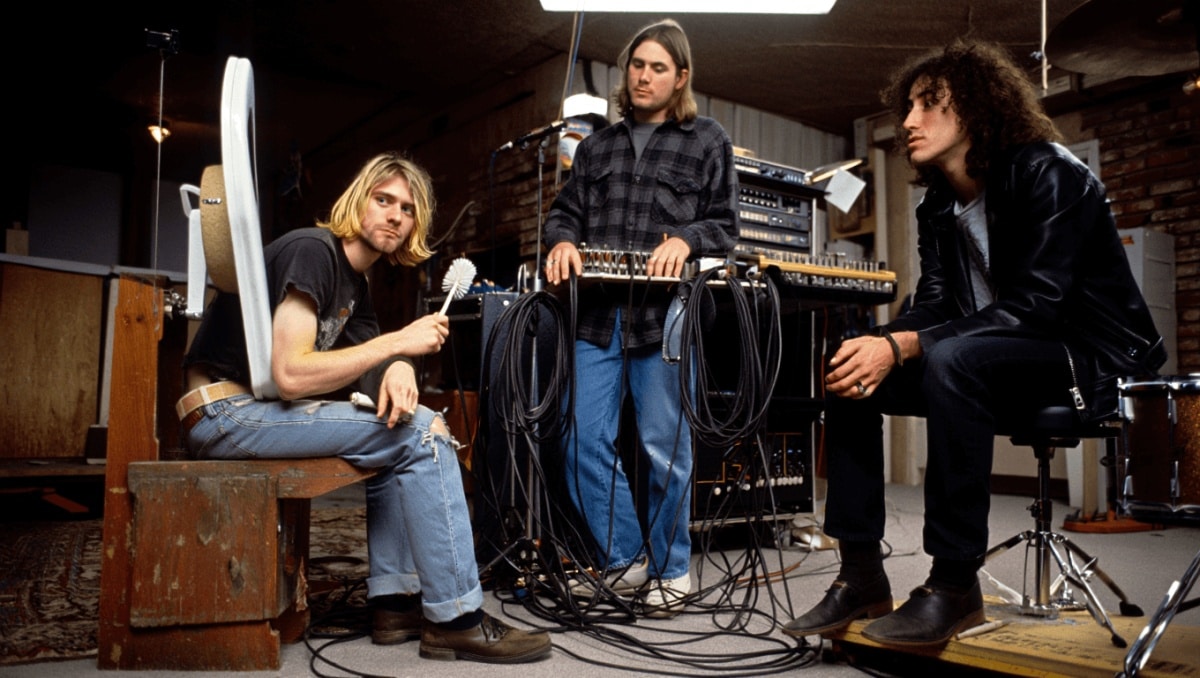
Recording for the debut started at the end of 1988. The band booked time at Reciprocal Recording Studios in Seattle. Producer Jack Endino oversaw the sessions.
Nas slams music industry over disrespect: teases new music, vows to address it
1992 vocal performances: 3 jaw-dropping moments that still amaze
- Dates: late December 1988 into January 1989.
- Studio: Reciprocal Recording, a hub for the local scene.
- Producer: Jack Endino, who charged the band a modest fee.
Endino’s rate for the whole album was famously low, a reflection of the DIY spirit of the era and the tight budgets punk bands tolerated.
Why the album was named Bleach: a gritty public health poster
The name Bleach did not come from a band meeting. Kurt Cobain spotted a public service poster while driving through San Francisco. The image and its slogan struck him.
The campaign addressed needle hygiene for people who inject drugs. Its blunt message included the phrase “Bleach Your Works.” That stark wording resonated with Cobain and stuck as the album’s title.
Recording team and guest musicians who shaped the sound
The lineup on Bleach included Nirvana’s young core, but a few extra contributors left their mark.
- Dale Crover from the Melvins played drums on several tracks.
- Melvins’ influence can be heard in the heavier, sludgier moments.
- Endino’s production emphasized raw tones and live energy.
The Melvins were already a defining force in Seattle, and their involvement helped bridge different strands of grunge and punk at the time.
Low-budget production: how they paid for the record
Money for Bleach did not come from a label advance. The band financed the early demo work themselves. Kurt Cobain took on manual labor to raise funds.
Kurt’s odd jobs and the price of a record
To help pay for studio time, Cobain worked evenings cleaning offices. The income from those shifts went directly to recording costs. This practical sacrifice underlined the band’s commitment.
What the budget bought
- Studio time at Reciprocal Recording.
- Minimal overdubs and a live feel.
- Professional but economical engineering from Endino.
That modest investment produced a record that would influence a generation.
How the band wrote and rehearsed: riffs, bass lines, and daily practice
Songwriting for Bleach grew from relentless rehearsal and a shared ear for what each track needed.
- They played together for hours, developing riffs on the spot.
- Cobain often brought the initial ideas or chord patterns.
- Novoselic contributed bass parts that responded to each riff.
Krist Novoselic has described a collaborative routine: Kurt would play a riff, and the band would test what the song required. The bass lines emerged as answers to the guitars.
Scenes from Seattle: the studio, the local network, and influence
Reciprocal Recording was more than a room. It was part of a close-knit scene. Bands, producers, and local venues formed a network of influence.
- Local engineers documented the early grunge sound.
- Peer bands like the Melvins shared members and ideas.
- Small budgets and DIY ethics encouraged creativity.
The result was a debut that sounded immediate and unpolished, and that rawness became a hallmark of grunge.











