
Show summary Hide summary
Six Democratic lawmakers this week issued a public service message asking members of the U.S. military and intelligence community to refuse orders that violate the law or the Constitution. The short appeal touched off a fierce response from former president Donald Trump on Truth Social, who used explosive language that many critics called dangerous.
What the lawmakers asked of service members and intelligence officials
KATSEYE postpones another concert: illness details remain undisclosed
Cupertino: a stylish legal drama packed with tech twists
The PSA addressed active duty military and intelligence professionals directly. It urged them to prioritize the Constitution over unlawful commands. Lawmakers framed the request as a duty to the rule of law and to democratic institutions.
The central message: refuse orders that break the law or violate the Constitution.
Who spoke and how they delivered the message
- The statement came from six Democratic members of Congress.
- It circulated as a short video and social posts aimed at military and intelligence audiences.
- One senator shared the message on Twitter with a direct appeal for service members to “stand up for our laws and our Constitution.”
Trump’s Truth Social response and the language that followed
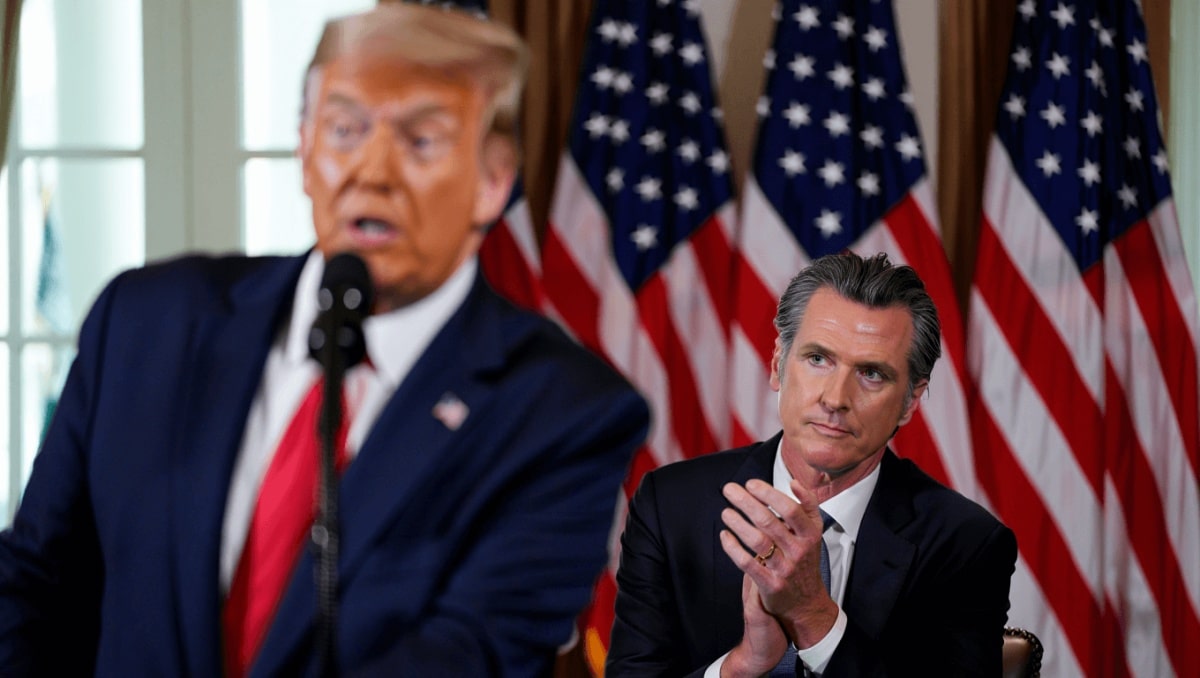
On Truth Social, Donald Trump reacted angrily to the PSA. He called the lawmakers’ actions “really bad” and “dangerous to our country.”
He also labeled their conduct “seditious behavior” and asked rhetorically if they should be jailed. In later posts, he amplified the rhetoric, using words that many observers said crossed a line.
Among the more extreme reposts attributed to his account was a line invoking execution and a reference to a founding figure. Those posts intensified calls from opponents for stronger repudiation.
Immediate online fallout and public reactions
Social media lit up with shock, mockery, and alarm. Reactions ranged from ridicule to outright condemnation.
- Mocking responses compared the ex-president to someone past their prime.
- Other users said the reaction was “insane even for Trump.”
- Several voices in politics denounced the tone as dangerous and irresponsible.
- California Gov. Gavin Newsom posted a blunt critique, calling the behavior “sick in the head.”
Those responses pushed the episode from a targeted political exchange into a broader debate about rhetoric, threats, and public safety.
Why the message to troops matters for democracy and law
The PSA taps into long-standing principles about the role of the military in a democracy. Service members take an oath to the Constitution. Legal experts stress that unlawful orders need not be followed.
Legal context
- Court decisions and military law set limits on what commands are lawful.
- Refusal of clearly illegal orders can be legally justified and required.
Political consequences
- Calling on troops to disobey orders can inflame partisan tensions.
- Critics say mixing political messages with military loyalty risks politicizing the armed forces.
How this episode could shape the conversation going forward
The clash shifted attention from the PSA’s legal appeal to the personal and political fallout of a leader’s response. Debate now centers on free speech, public safety, and the boundaries of political rhetoric.
Expect continued scrutiny from lawmakers, legal analysts, and military leaders as the story develops online and in the halls of government.










