
Show summary Hide summary
- What Lanez said in his first on-camera interview since conviction
- How he says the trial misrepresented him and his record
- On testifying: why he believes the verdict might have changed
- Comments about Megan Thee Stallion and a hoped-for in-person meeting
- Legal context: sentence, conviction, and the appeal outlook
- Fan support, public debate, and the wider cultural conversation
- Media strategy and the risks of one interview
- What to watch next: appeals, public response, and potential meetings
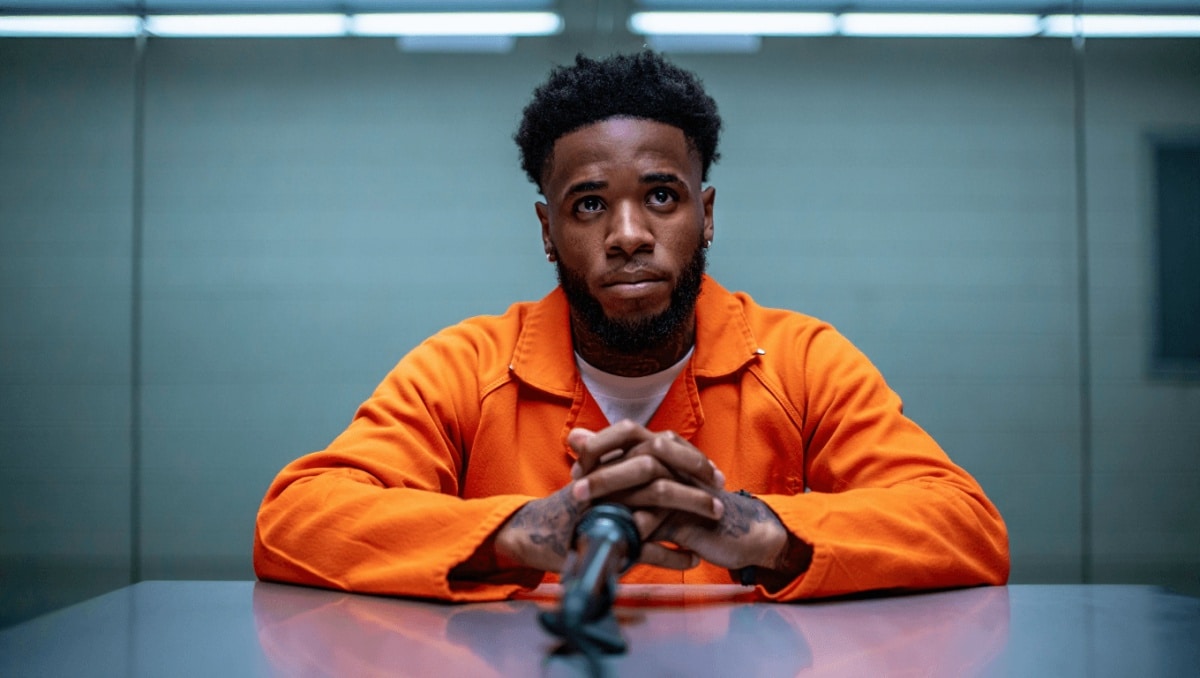
Tory Lanez has broken a long public silence with a televised interview that seeks to reshape how the world sees him. The Canadian artist, now serving a decade-long sentence, used the platform to insist on his innocence and to push back against the narrative that followed the high-profile shooting case involving Megan Thee Stallion.
What Lanez said in his first on-camera interview since conviction
In a sit-down with a major U.S. network, Lanez framed the conversation around his character and legal fight. He repeatedly denied any violent actions toward the woman at the center of the case and asked listeners to judge him by his life, not by media coverage.
Nas slams music industry over disrespect: teases new music, vows to address it
1992 vocal performances: 3 jaw-dropping moments that still amaze
- Denial of violence: He emphasized that harming a woman contradicts who he is.
- Public perception: He argued the court of public opinion painted him as a monster before his side was fully heard.
- Request for scrutiny: He urged people to review the trial evidence and the process.
How he says the trial misrepresented him and his record
Lanez described being swept up in a larger cultural debate about accountability and safety. He said his past record does not reflect the image now attached to him and that the courtroom outcome did not capture the whole story.
He pressed that his longstanding behavior and lack of a criminal history should factor into how people interpret the case.
On testifying: why he believes the verdict might have changed
Lanez told the interviewer he regrets not taking the witness stand. He feels that, had he testified, jurors would have seen a different version of events.
- He believes his testimony would have challenged key claims.
- He suggested that available evidence might be viewed differently with his voice on record.
Comments about Megan Thee Stallion and a hoped-for in-person meeting
When asked to address the victim directly, Lanez declined a filmed confrontation. Instead, he said he would prefer a private, face-to-face exchange.
He also expressed no ongoing hatred toward her and said he is focused on personal healing and taking responsibility where needed—separate from the criminal charge.
Legal context: sentence, conviction, and the appeal outlook
Lanez is serving a 10-year prison sentence stemming from the conviction. In the interview, he reiterated calls for the legal system to reexamine aspects of the case.
He asked authorities and observers to look closely at the evidence and courtroom decisions that led to his sentence.
Fan support, public debate, and the wider cultural conversation
The case has polarized fans, peers, and commentators. Supporters have continued to amplify Lanez’s music and statements. Critics maintain the verdict reflects accountability for violence against Black women.
- Supporters: Many fans continue to promote his music and defend his character.
- Opponents: Others say the conviction affirms the need for justice and victim protection.
- Neutral observers: Some see the interview as an attempt to humanize a person otherwise defined by headlines.
Media strategy and the risks of one interview
Choosing a televised interview after a lengthy silence is a calculated move. Lanez aimed to reclaim the narrative while avoiding courtroom repetition.
That strategy carries risks: the remarks may inflame critics or fail to persuade those who consider the trial’s outcome final.
What to watch next: appeals, public response, and potential meetings
Key signals to monitor include any legal appeals, official reviews of the evidence, and whether a private meeting with Megan Thee Stallion ever occurs. Each development will shape the ongoing story in the courts and in public dialogue.










