Show summary Hide summary
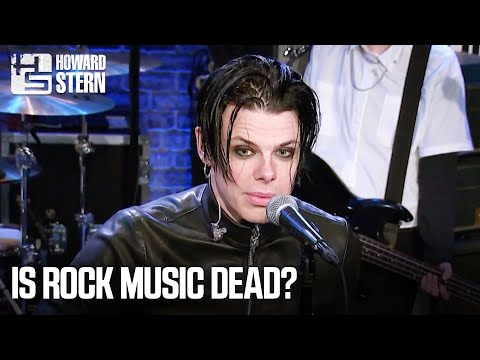
When Howard Stern voiced a longing for the glory days of rock on his SiriusXM program, a new-generation artist responded with force. Yungblud, the British singer-songwriter, refused to let the genre be written off. He argued that rock remains alive, evolving, and full of artists who are redefining its edges.
Yungblud rebuffs claims that rock has died
On air, Stern admitted he no longer finds new rock as thrilling as the classics. He spoke of a sense of loss for the music that shaped his youth. Yungblud, attending the conversation, did not mince words. He rejected the idea outright and called the notion flatly wrong.
Nas slams music industry over disrespect: teases new music, vows to address it
1992 vocal performances: 3 jaw-dropping moments that still amaze
Yungblud said rock still matters and blamed much of the “rock is dead” talk on nostalgia. Older listeners, he explained, often measure new bands against the soundtrack of their own youth. That, he said, creates a skewed standard that makes fresh acts seem inferior.
Why nostalgia distorts how people hear new rock
Yungblud argued that many critics are not judging music on its own merits. Instead, they compare modern sounds to the records they grew up with. He painted a picture of parents telling their children new bands sound like the old ones. That reaction, he said, is predictable but unfair.
Pressure on a single “savior” is misplaced
He also pushed back against the fantasy of one artist reviving rock alone. Fans and pundits often ask who will “save” the genre. Yungblud described that expectation as unrealistic. He prefers to see rock as a collective movement across many scenes.
Where modern rock is thriving: scenes and standout acts
Rather than one savior, Yungblud pointed to many vibrant pockets of the rock landscape. He described the scene as expansive and multi-directional. Genres like hardcore, punk, and indie are all producing bands that attract new fans.
- Hardcore: Knocked Loose and Turnstile are building momentum with intense shows and devoted followings.
- Punk: Amyl and the Sniffers and Lambrini Girls have brought a raw, raucous energy back into play.
- Indie: Acts such as Fontaines D.C., Geese, and Wunderhorse are pushing songwriting into bold new territory.
Yungblud used these names to illustrate that rock’s vibrancy is spread across styles. Each corner contributes to a wider revival.
“Idols” — Yungblud’s big-stakes argument for rock’s vitality
Yungblud’s latest album, Idols, released in June 2025, serves as his creative answer to skeptics. He said the record embraces theatricality, extended song forms, and a sense of adventure. The aim was to present rock with drama and scale in a modern context.
Putting long, ambitious tracks on a contemporary record was a deliberate gamble. Yungblud described taking that step as risky. He and his band knew they were betting on fans valuing scope again.
Making a risky record and the response it drew
To get the album made, Yungblud had to convince partners that nine-minute songs could work today. He admitted feeling anxious when presenting the material. Still, he trusted his audience would follow.
Fans rallied behind the album, proving there is appetite for bold moves. The reception reinforced his belief that rock can be theatrical, expansive, and relevant without copying the past.
How this debate matters for rock’s future
The exchange on SiriusXM highlights a wider cultural question. Is rock defined by nostalgia or by continuous reinvention? Yungblud argues for the latter. He champions a scene where multiple bands and styles push the genre forward.
By calling out the tired refrain that rock is finished, he shifts the conversation away from elegy and toward possibility. That stance reframes the debate as one about evolution rather than extinction.