Show summary Hide summary
- How Born To Die turned controversy into staying power
- Billboard milestone: the album that barely left the charts
- How Del Rey’s image reshaped indie-pop style and trends
- Profiles and interviews that softened public doubts
- Artists and the ripple effect of a single album
- What the record means for music longevity and catalog listening
Lana Del Rey burst into the mainstream in 2012 with Born To Die, an album that instantly split critics and listeners. At first she was dismissed as a constructed persona. Yet her music connected deeply with a new generation online. Over more than a decade, that gap between critique and cultural influence only widened.
How Born To Die turned controversy into staying power
When Born To Die arrived, reviewers questioned the authenticity of Del Rey’s persona and tone. Fans on Tumblr and other social platforms embraced her aesthetic and songs. That clash of opinion shaped the early story of her career.
Nas slams music industry over disrespect: teases new music, vows to address it
1992 vocal performances: 3 jaw-dropping moments that still amaze
- Debut impact: The album reached No. 2 on the Billboard 200 in February 2012.
- Online fandom: Teen-driven communities turned songs and visuals into a viral aesthetic.
- Critical skepticism: Early reviews focused on image and vocal style rather than emotional content.
Over time, listeners and some critics reassessed the album. New releases and candid interviews helped reshape the narrative around Del Rey. Today, Born To Die is read as the work of a persistent artist, not just a marketing gimmick.
Billboard milestone: the album that barely left the charts
Born To Die set a record on the Billboard 200 for the longest-charting album by a woman. As of December 2025, it has spent 618 weeks on the list.
- 618 weeks equals roughly 12 years of presence on the chart.
- The album was the fifth best-selling of 2012, an unusual achievement for a debut.
- Its peak position and longevity show both immediate sales and continued discovery.
That kind of endurance is rare. Albums usually cycle off the chart after a few years. Born To Die’s constant return signals ongoing streams, catalog sales, and cultural resonance.
How Del Rey’s image reshaped indie-pop style and trends
The visuals and mood around Born To Die seeded a wider aesthetic. Images of coquette glamour and sun-faded Americana filtered into fashion and music.
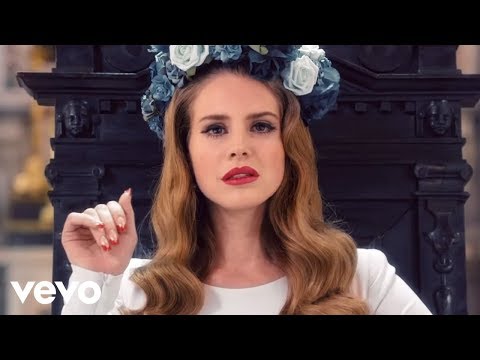
- Flower crowns and nostalgic photography became signature visuals.
- The “dreamy, damaged” archetype influenced later artists and bands.
- Commercial and indie acts borrowed the wistful, cinematic mood she popularized.
Artists from a range of scenes leaned into cinematic melancholy after her debut. The effect reached beyond music into social feeds, fashion, and indie branding.
Profiles and interviews that softened public doubts
In the years after her debut, longer magazine pieces offered different scenes of Del Rey’s life. Reporters visited her home. The images presented an ordinary, grounded portrait.
These features did something critics had not done earlier. They gave context to the artist’s upbringing, work ethic, and creative process. For some readers, it made her sound and persona easier to accept.
- Home visits emphasized small details: worn porch steps, modest furnishings.
- Conversation-focused profiles highlighted songwriting and influences.
- Those pieces complicated the idea that she was only a product of marketing.
Artists and the ripple effect of a single album
Born To Die became a cultural touchstone that others referenced and reinterpreted. Its mood found echoes across genres.
- Indie-pop acts adapted the cinematic production values.
- Rising artists borrowed the “vintage glamour” persona in visuals.
- Entire online communities built aesthetics around the album’s imagery.
While Del Rey did not create those trends alone, her album functioned as a catalyst. It helped normalize melancholic, nostalgic songwriting in mainstream spaces.
What the record means for music longevity and catalog listening
Born To Die’s long run on the Billboard 200 highlights changes in how audiences find music. Streaming, playlist culture, and social sharing extend the life of albums.
- Catalog streaming: Older albums gain new listeners through playlists and algorithmic suggestions.
- Cultural moments: Viral clips and anniversaries revive interest in past releases.
- Fan communities: Dedicated online groups keep conversations and streams alive.
That combination turned a once-criticized debut into a durable catalog asset. It also reshaped how success is measured for modern albums.