Show summary Hide summary
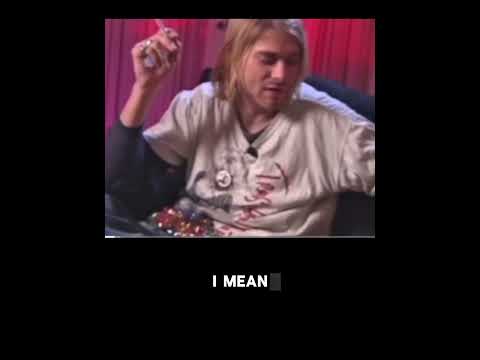
In the early 1990s, Kurt Cobain publicly slammed Tool’s video for “Sober,” arguing it borrowed too heavily from the eerie world of the Quay Brothers. The Nirvana frontman admired the brothers’ stop-motion work but felt Tool’s clip crossed a line. His critique sparked a rare, blunt critique of another band’s visual ideas.
Why Cobain accused Tool’s “Sober” video of copying the Quay Brothers
Cobain believed the visuals in “Sober” echoed the signature aesthetic used by stop-motion filmmakers Stephen and Timothy Quay. He told interviewers the similarities were too close for comfort. He said the video looked like an imitation rather than a tribute.
Nas slams music industry over disrespect: teases new music, vows to address it
1992 vocal performances: 3 jaw-dropping moments that still amaze
He singled out specific imagery he found too derivative. The recurring motif of organic matter moving through mechanical channels drew his ire. Cobain described the effect as more than inspiration. He labeled it a shameless ripoff and said he wished legal action would follow.
What about the Quay Brothers appealed to Cobain
The Quay Brothers were masters of unsettling puppet and stop-motion films. Their work often features malformed dolls, elongated figures, and decayed settings. Cobain and members of Tool both admired this dark, tactile style.
- Miniature, handcrafted sets with a decayed look
- Figures with exaggerated proportions and slow, uncanny motion
- Surreal editing that emphasizes texture and dread
Even though Cobain loved their films, he felt Tool didn’t capture the Quays’ subtlety. He preferred watching an authentic Quay Brothers piece over the mimicry in “Sober.”
How Cobain described the video and his reaction
In interviews, Cobain was frank and unsparing. He praised the “Sober” clip as visually interesting but insisted it lacked originality. He argued the band appropriated specific scenes and motifs without adding new meaning.
He mentioned the imagery of flesh or meat passing through pipes as one of the elements that tipped him off. Cobain wanted the music industry to respect artistic ownership. He felt borrowing the Quays’ style without credit was disrespectful.
Cobain’s own vision: a Nirvana video inspired by dolls
Kurt didn’t just criticize. He planned his own video concepts that leaned into similar dark visuals. In conversations from 1992 he outlined a concept for the “Lithium” single that would center on dolls.
- Collecting old, antique dolls as props
- Handmaking clay figures modeled on historical designs
- Using surreal doll interactions to build a narrative
- Incorporating personal footage, including an ultrasound
He described these figures as having long fingers and elongated heads. The dolls were meant to move in odd, dreamlike ways. Cobain admitted the idea would be derivative of the Quays, but he framed it as an intentional homage rather than a knockoff.
Personal and creative context behind the idea
Cobain was in a period of intense artistic experimentation. He collected dolls for years. He worked with clay to recreate antique European toy figures. The planned visuals were intimate and somewhat invasive.
Part of the plan was to capture footage of Courtney Love’s pregnancy. Cobain said he wanted to include ultrasound images in the video. That choice was meant to blur the line between public art and private life.
How fans and critics remember the dispute today
The spat is often cited as an example of Cobain’s uncompromising views on creativity. It also highlights how visual language circulates in alternative music. Many fans still debate whether Tool’s clip was homage, coincidence, or imitation.
Both Tool and the Quay Brothers continued their careers without public legal action. The episode remains a moment when a major rock figure defended a particular aesthetic while exploring that same terrain in his own way.