
Show summary Hide summary
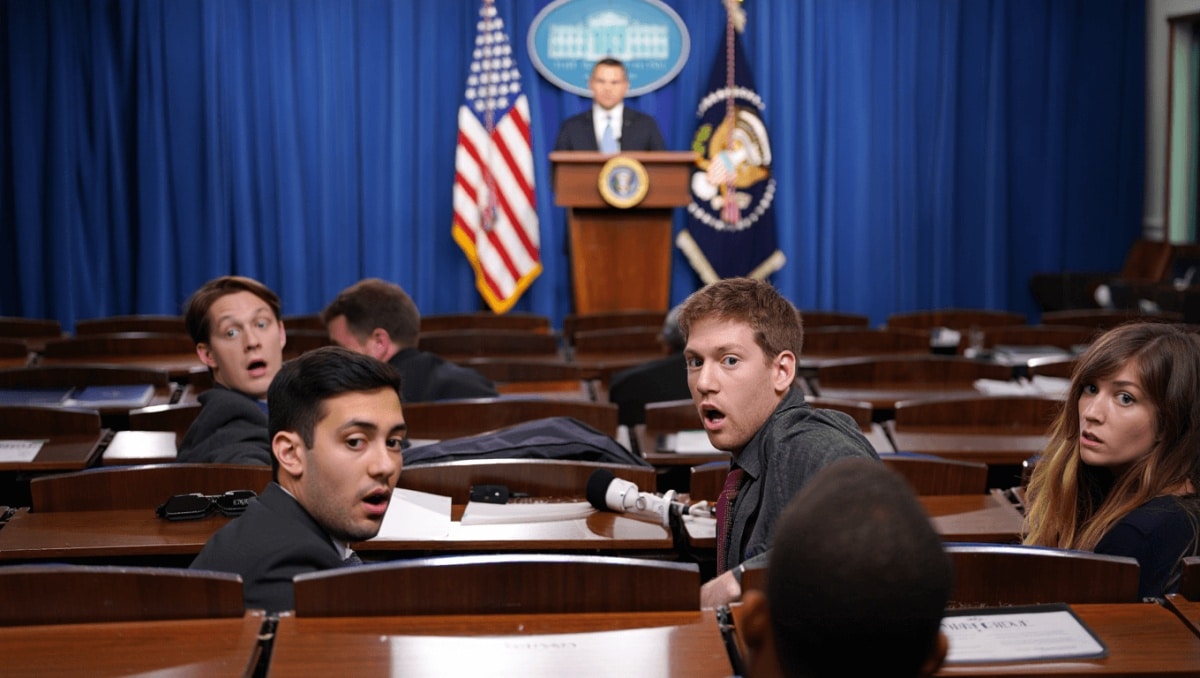
A terse remark by former President Donald Trump set off a cascade of shock, denials, and snark on social media. What began as a brief exchange in public quickly became a viral controversy, forcing the White House to clarify the comment and prompting a flood of reactions from politicians, spokespeople, and everyday users online.
How the remark surfaced and why it grabbed attention
During a public appearance, Trump made a remark that many listeners heard as proposing the most extreme punishment for certain Democratic lawmakers. The line was brief, but its implication was immediately striking.
KATSEYE postpones another concert: illness details remain undisclosed
Cupertino: a stylish legal drama packed with tech twists
Because of the high stakes around rhetoric from former presidents, the moment drew rapid media coverage. Clips circulated, and within minutes commentators and watchdogs were demanding clarification.
White House moves to walk back the statement
Within hours, a spokesperson for the administration attempted to soften the claim. Karoline Leavitt, asked to explain whether the president was suggesting actual executions, replied in the negative.
That answer was followed by an official post on X from the White House stating in simple terms that the president did not want members of Congress executed. The message was short and aimed at cutting off the controversy.
What people online said — the tenor of the replies
Reactions on social platforms ranged from disbelief to dark humor. Many users expressed skepticism that the clarification was enough.
- Some replies read as deadpan acceptance, reflecting the surreal normalcy of the exchange.
- Others greeted the clarification with visible relief, writing that they were glad the statement wasn’t literal.
- Many added sarcastic commentary, suggesting the situation was a bizarre new low for public discourse.
Notable reactions from officials and public figures
Political offices and commentators weighed in quickly. Democrats pointed out that needing to clarify such a statement was itself alarming and indicative of how fraught public rhetoric has become.
California Governor Gavin Newsom’s communications team chimed in with a sarcastic take, joking that the president merely wanted to “hang” out with lawmakers. The line underscored how satire and criticism have become common tools for official accounts.
Memes, throwbacks, and the wider context
Users on X and other platforms pulled up historical headlines to show how rhetoric has shifted over time. One account posted an old front-page example from 2014 to make the point that public political language has become more volatile.
Online responses followed recognizable patterns:
- Immediate shock and calls for accountability.
- Rapid attempts at official clarification.
- Memes and pointed humor that framed the clarification as absurd.
Why this matters for media and public discourse
Short, ambiguous lines from high-profile figures can spread quickly and create real-world risks. Journalists, fact-checkers, and political operators often must work overtime to interpret intent and impact.
Clarifications rarely erase the initial impression. Once a statement is out, corrections or explanations have limited reach compared with the original clip or headline.
Practical effects on coverage and conversation
- Newsrooms prioritized the clip and the White House response.
- Social feeds amplified satire, which shaped the public narrative.
- Opponents used the episode to criticize tone and judgment.










