Show summary Hide summary
- When a Camden show helped explain the fury at RATM gigs
- Why the reaction was the same in LA, London and Berlin
- How listeners project their own politics onto the songs
- Recent social-media exchange highlights the band’s real focus
- Elements that made Rage’s message spread worldwide
- The danger of turning protest music into partisan symbols
- What to listen for if you want the original message
Few bands have sustained the same mix of fury and fascination as Rage Against the Machine. From furious mosh pits in the 90s to viral exchanges on social platforms today, the group’s music keeps sparking strong reactions. That response has less to do with party politics and more with a deep, widespread frustration listeners bring with them.
When a Camden show helped explain the fury at RATM gigs
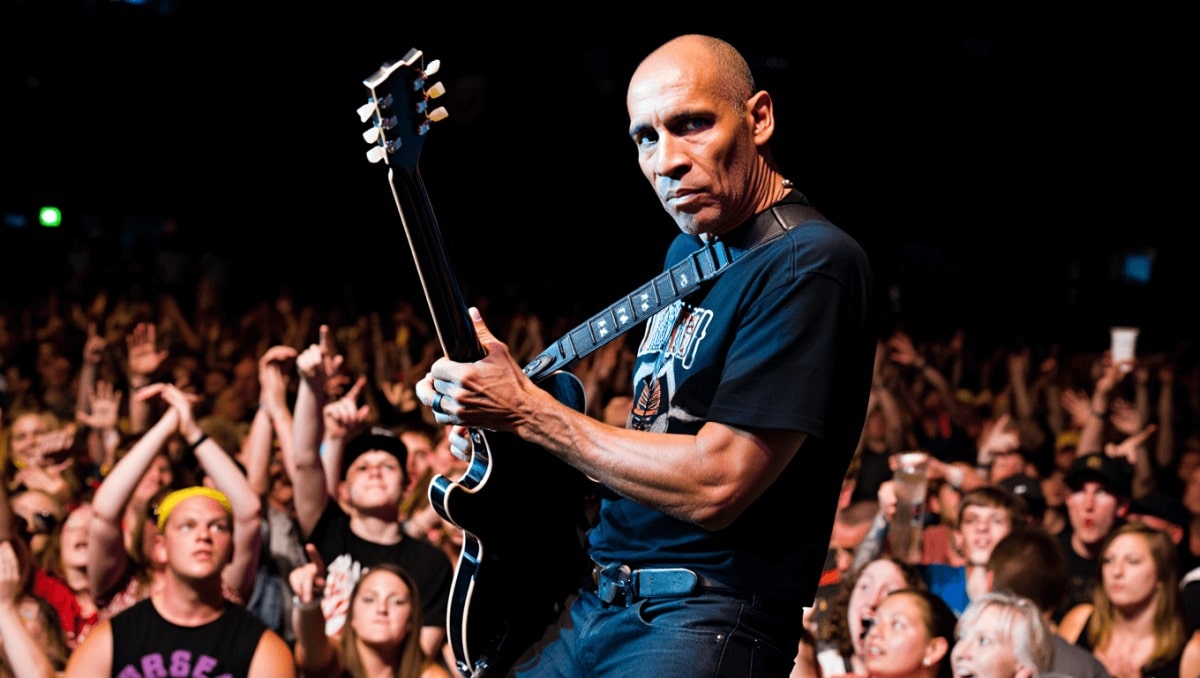
A newly surfaced interview from the 1990s captures a moment after a Rage Against the Machine set at the Camden Underworld. The reporter described the crowd as almost uncontrollable. Guitarist Tom Morello did not sound surprised. He said the band’s sound seemed to unlock a collective intensity.
Nas slams music industry over disrespect: teases new music, vows to address it
1992 vocal performances: 3 jaw-dropping moments that still amaze
Morello explained that Rage’s music taps into something under the surface — a general discontent with how things are run. He suggested that the energy onstage reflects a broader feeling among young people who feel shut out by current systems.
Why the reaction was the same in LA, London and Berlin
Morello noted that crowd responses were consistent across cities. Even when the band played far from home, the impact repeated.
- Local familiarity wasn’t required to spark chaos.
- The songs hit a nerve with youth across different cultures.
- Live intensity amplified the music’s message.
He admitted it took time to adjust to that global resonance. In Los Angeles, the faces in the crowd were familiar. Abroad, the band met strangers, yet the reaction stayed similar. The takeaway was clear: the music reached a shared feeling.
How listeners project their own politics onto the songs
Over decades, fans began to interpret Rage Against the Machine through their own political lenses. Some hear the band as exclusively on one side. Others read different meanings into the same lyrics. That trend speaks to how strong emotions can be redirected by personal beliefs.
This process of projection changed how the band’s message was perceived. The songs themselves remained constant, but the meanings listeners attached to them shifted with time and context.
Recent social-media exchange highlights the band’s real focus
In early 2025, Tom Morello responded to a fan on X who thanked the band for changing their views. The fan claimed the songs had once targeted one party and now targeted the other. Morello corrected that perception.
He reminded followers that Rage’s debut arrived during the Clinton years. The band, he said, has always aimed its critique at systems of power rather than a single political party. The core target, as he framed it, was institutional injustice.
Key points Morello emphasized
- The band critiques entrenched power, not just a party label.
- The message predates current political divides and has long roots.
- Listening closely reveals consistent themes about inequality and authority.
Elements that made Rage’s message spread worldwide
Several factors explain why Rage Against the Machine connected across borders.
- Raw, aggressive sound that matched listener anger.
- Direct lyrics that addressed power and oppression.
- Electric live shows that turned music into a collective experience.
- Timing: songs arrived during moments of political frustration.
Put together, these elements created a soundtrack for people who felt alienated. That alienation has proven durable. In many places, the same complaints about inequality persist.
The danger of turning protest music into partisan symbols
When fans recast protest songs as tools for their own party, the original intent blurs. The songs can be retooled to justify new agendas. That shift risks narrowing a broader message about injustice into a narrow partisan claim.
Morello’s recent replies to social posts aimed to push back against that narrowing. He urged fans to pay attention to the target: systems that enable inequality, not one political team over another.
What to listen for if you want the original message
To hear Rage Against the Machine as they meant to be heard, focus on recurring themes rather than political labels.
- Look for critiques of power structures.
- Notice calls for accountability, not party loyalty.
- Watch how the music invites collective action, not factionalism.
When listeners stop projecting partisan views, the songs often reveal a consistent thread: a critique of systems that concentrate power and privilege.