
Show summary Hide summary
- How two students turned a pop song into a fundraising tool
- Execution: consistent, noisy and impossible to ignore
- Why the stunt worked: pop culture, peers and urgency
- Rapid results and reactions at school
- Community impact and recognition for the arts center
- Lessons learned for grassroots fundraising
- Where that story fits in a larger trend
In December 2011, two seniors at Evanston Township High School launched an unusual charity push that turned hallway annoyance into community support. Using a pop hit on repeat, they raised funds fast for a nearby arts center that was on the brink. The stunt was audacious, effective and memorable.
How two students turned a pop song into a fundraising tool
Charlotte Runzel and Jesse Chatz saw an opportunity when their local arts space faced financial strain. The Boocoo Cultural Center and Cafe—later renamed the Gibbs-Morrison Cultural Center—served Evanston teens as a creative hub.
Nas slams music industry over disrespect: teases new music, vows to address it
1992 vocal performances: 3 jaw-dropping moments that still amaze
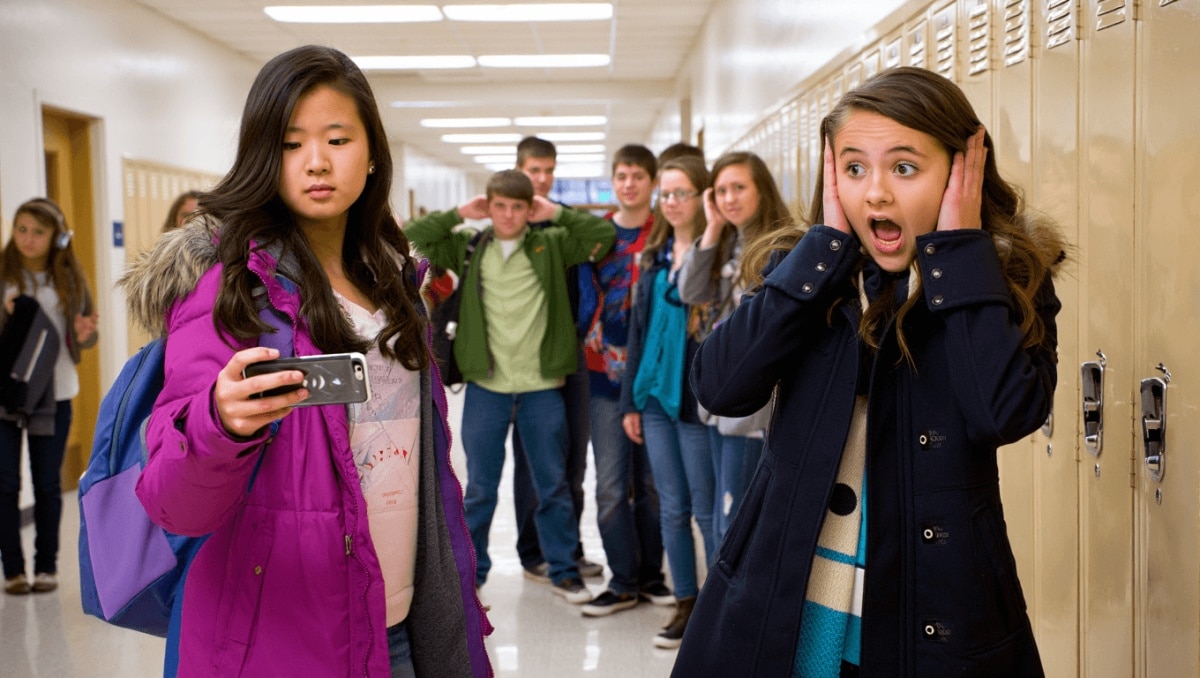
Rather than host a bake sale or talent show, the seniors proposed an experiment in social pressure. They asked school administrators for permission to play Justin Bieber’s hit “Baby” over the school intercom between classes.
The plan was simple: keep the song playing until classmates donated enough money to save the center. The students set a clear target: $1,000.
Execution: consistent, noisy and impossible to ignore
Administrators agreed, and the track began blaring through the hallways. The tactic relied on repetition and irritation.
- Music played between class periods all day.
- Students were nudged to donate to stop the loop.
- Runzel and Chatz estimated the effort would take about a week.
What they did not predict was how quickly classmates would pay to regain quiet corridors.
Why the stunt worked: pop culture, peers and urgency
The success mixed several elements. First, Justin Bieber’s popularity made the song instantly recognizable. Second, the annoyance factor created immediate motivation. Third, the donation goal was modest and concrete.
These factors combined into a social experiment with low friction. Students were already carrying cash for lunches and small purchases. The prospect of ending repeated playback was enough to prompt donations.
Psychology behind the campaign
- Negative reinforcement: stop an unpleasant stimulus by giving money.
- Bandwagon effect: seeing peers donate encouraged more to follow.
- Clear deadline: the loop continued until the goal was met.
Rapid results and reactions at school
The campaign launched on a Monday. By Wednesday, students had contributed enough to meet the target. In two days, the loudspeaker stunt raised the full $1,000.
Students reacted with a mix of amusement, relief and admiration. Some described the tactic as brilliantly annoying but effective. Others praised the creativity of using a cultural touchpoint to rally support.
Community impact and recognition for the arts center
The Boocoo Center’s leadership welcomed the funds and the publicity. Local media covered the story, and the center acknowledged the students’ effort by offering exhibition space for high school artists.
The gesture strengthened ties between the school and the arts organization. It also gave student artists a visible venue to show work at no cost.
Lessons learned for grassroots fundraising
The stunt illustrates several practical lessons for small campaigns.
- Leverage cultural currency: use a widely known element to draw attention.
- Keep goals transparent and achievable.
- Create urgency: a repetitive or time-limited tactic can catalyze action.
- Get buy-in from gatekeepers like administrators early.
While unconventional, the approach shows how creativity can overcome limited budgets and attract community support.
Where that story fits in a larger trend
School-led fundraisers often rely on tradition. This incident is a reminder that inventive ideas can outperform routine tactics.
It also highlights how young organizers can channel cultural momentum into civic benefit. When students combine bold thinking with a clear ask, results can follow quickly.










