
Show summary Hide summary
- How an AI “artist” slipped onto Spotify and why it mattered
- Spotify intervenes — but critics say the gesture is thin
- Mounting backlash: boycotts, playlists and trust erosion
- Industry voices warn of unequal bargaining and lost control
- What this episode signals for streaming and discovery
- Brief timeline of events and reactions
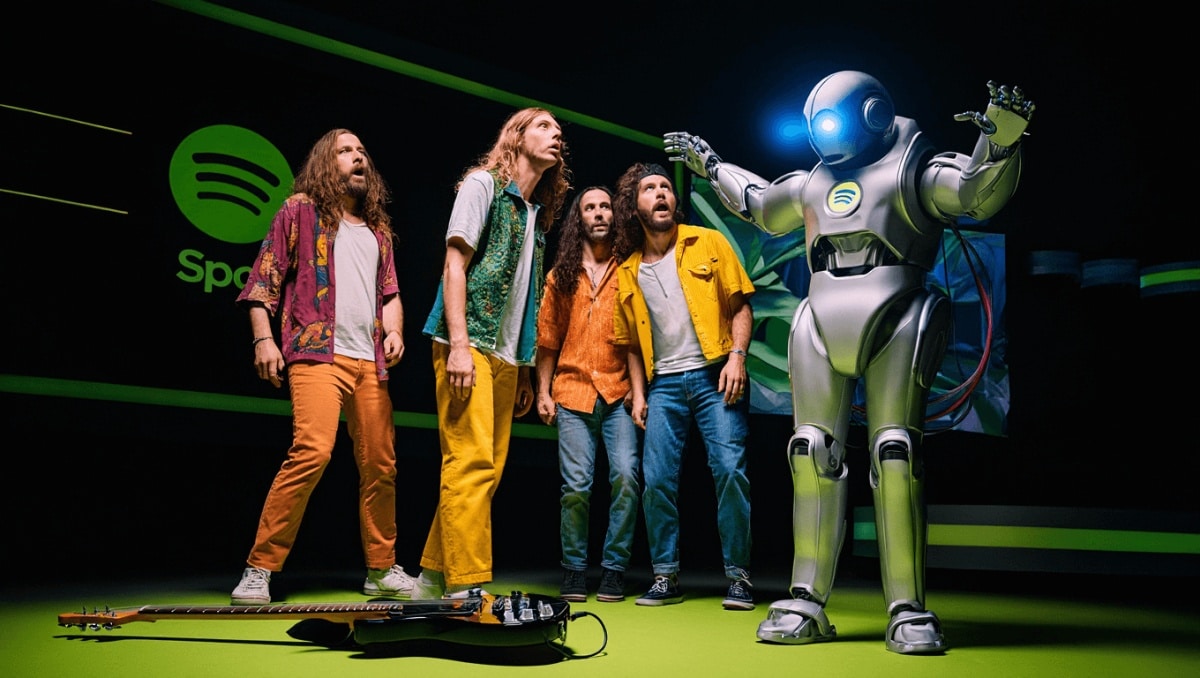
When Australian psych-rock outfit King Gizzard & the Lizard Wizard pulled their music from Spotify this summer, it was a pointed protest over the streaming giant’s CEO and his ties to a military AI drone firm. Months later, an AI-generated impersonator surfaced on the platform, reigniting questions about AI, platform responsibility and the future of music discovery.
How an AI “artist” slipped onto Spotify and why it mattered
In December, a bogus act named with an almost-parodic twist popped up on the service. The artist profile mirrored King Gizzard’s track titles and tried to mimic the band’s surreal artwork. The audio, however, sounded synthetic and detached from the band’s signature psychedelic sound.
Smashing Pumpkins reunite with legendary 90s producer Butch Vig on new Hunger Games track
U.K. terror plot: what we know and why the Gulf remains in limbo
- The fake catalog used the same song names as the originals.
- Visuals only loosely echoed the band’s distinctive covers.
- Listeners and the band quickly noticed the low-quality, AI-made tracks.
The timing amplified the sting: the clone appeared after the band publicly removed their work to protest Spotify’s corporate connections.
Spotify intervenes — but critics say the gesture is thin
The platform took down the impostor account, citing rules against artist impersonation. Spotify also said no royalties were paid on streams from that profile. Still, many observers saw the move as reactive rather than systemic.
Critics point out Spotify’s broader stance on AI. The company has signaled openness to AI tools, which makes a single removal feel inconsistent with longer-term policy choices. For some artists and fans, the incident exposed how easily synthetic content can appear on major services.
Mounting backlash: boycotts, playlists and trust erosion
Spotify Wrapped and year-end metrics often spark conversation. This year, they also prompted renewed calls for boycotts and scrutiny. Complaints are piling up across several fronts:
- AI-generated music filling algorithmic playlists.
- Concerns about executives’ investments crossing ethical lines.
- Targeted ads and controversial partnerships triggering outrage.
- Longstanding frustrations over low per-stream payouts.
One band publicly detailed how little they earned from streams, highlighting a persistent complaint about streaming economics. For some creators, these issues are now inseparable from worries about AI and platform governance.
Industry voices warn of unequal bargaining and lost control
Music executives and advocacy groups have urged caution as AI enters the creative process. They acknowledge the potential benefits of new tools.
But they also demand safeguards: fair pay, clear contracts and preservation of artists’ creative rights. Without those protections, they say AI could be used to exploit catalogs or reproduce artists’ work without consent.
Key protections artists are seeking
- Consent before using an artist’s voice or recordings in AI training.
- Transparent deals with explicit compensation terms.
- Creative control over how a catalog is used or sampled.
- Clear attribution and the ability to remove unauthorized AI copies.
What this episode signals for streaming and discovery
The fake King Gizzard profile is a test case for how platforms handle authenticity. Automated systems that power discovery can spread AI content quickly. That creates new risks:
- Fans may encounter imitation tracks while exploring playlists.
- Smaller artists could be displaced by cheap synthetic substitutes.
- Platform trust may erode if removals are sporadic or opaque.
For listeners and creators alike, the question is no longer hypothetical: who controls the sound of the future, and who profits from it?
Brief timeline of events and reactions
- July: King Gizzard removed their music from Spotify over ethical concerns tied to executive investments.
- December: An AI-generated artist with a near-identical catalog appeared on the platform.
- Shortly after: Spotify removed the fake artist and stated the content violated impersonation rules.
- Ongoing: Artists, industry groups and fans continue to debate AI’s role and streaming economics.










