
Show summary Hide summary
When Erick Sermon looks back on a decades-long run in hip-hop, he does it with the calm of a veteran and the curiosity of someone still surprised by fate. The EPMD co-founder has left an undeniable mark — from classic records to the crossover success of “Music” — yet he openly recounts missed chances that could have rewritten rap history.
Two near-misses that would have changed rap history
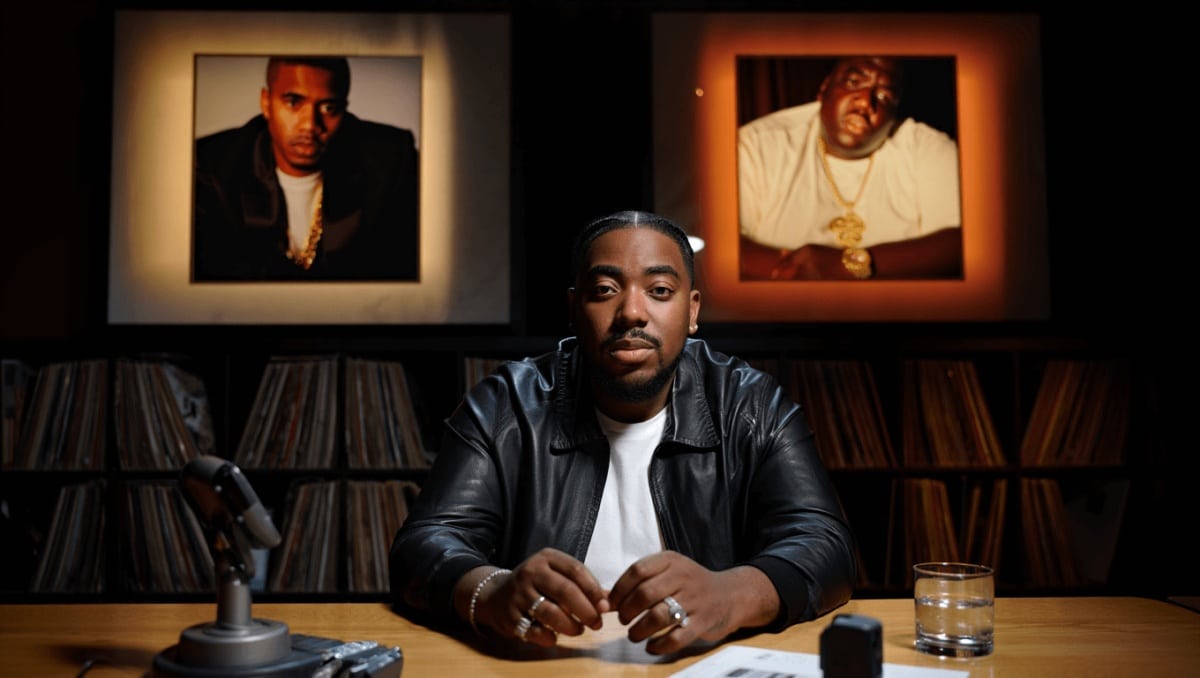
On a recent episode of the show hosted by Fat Joe and Jadakiss, Sermon laid out two pivotal moments he still thinks about. He says he met Nas in the early days and handled the meeting casually. Instead of saving top-tier beats, he handed over lower-priority tracks. Nas moved on and recorded Illmatic with Pete Rock and others. Sermon now admits he underestimated the project’s importance.
Nas slams music industry over disrespect: teases new music, vows to address it
1992 vocal performances: 3 jaw-dropping moments that still amaze
He also remembers a meeting with a young Notorious B.I.G. at a Brooklyn barbershop. According to Sermon, he didn’t fully grasp Biggie’s potential in that moment. Biggie would eventually sign with Bad Boy and become one of hip-hop’s defining voices. That missed connection, Sermon suggests, still resonates with him.
Other major names Sermon says he almost signed
Sermon didn’t stop at Nas and Biggie. He rattled off a surprising list of artists he could have pursued when they were unknown.
- Game
- 50 Cent
- Rick Ross
- Yung Berg
- Fugees
- Akon
He framed it with a wry sense of wonder: imagine if he’d been the label executive behind all those careers. Sermon’s tone mixed pride in his ear for talent with amazement at how timing and instincts shape outcomes.
Atlanta visits, rim shops, and almost-signings
In interviews over the years, Sermon has described living in Atlanta and bumping into future stars. He says he crossed paths with young Usher, Ludacris, and members of Goodie Mob during his time there. These meetings were informal and often happened at his rim shop.
Despite the proximity to rising artists, those encounters rarely developed into formal deals. Sermon has explained that sometimes he felt artists were too early in their careers, or circumstances kept things from moving forward.
Why Sermon thinks past music ages better than today’s tracks
Sermon also offered a clear stance on the current rap landscape. He believes many classic records were made with longevity in mind. Those songs, he argues, were built to remain relevant decades later. By contrast, he says much of modern rap leans on raw, immediate energy and language that won’t align with listeners’ lives as they age.
“Songs that relied on shock value or one-dimensional lyrics won’t sit right with many fans at 40-plus,” he told the hosts. Sermon argued that as listeners marry, raise families, or change lifestyles, they stop relating to the same themes that defined their younger years.
How Sermon reflects on legacy and “what ifs”
Despite the regrets, Sermon speaks like someone at peace with his body of work. He celebrates what he did accomplish while acknowledging that the music industry is full of near-misses. His stories to Fat Joe and Jadakiss felt less like wallowing and more like cataloging how small choices ripple across careers.
He credits his ear for discovering talent but also recognizes that the timing and the right match between artist and producer are critical. Sermon’s reflections are a reminder that in hip-hop, as in life, a single decision can alter the course of culture.










