
Show summary Hide summary
- How a shelved demo turned into a global pop phenomenon
- From soundtrack curiosity to duet: the pivot that saved the song
- What pulled Lady Gaga into the studio
- Studio scenes: collaboration, spontaneity, and unexpected magic
- Why the team knew they had a hit
- Chart life, accolades, and the song’s lasting footprint
- The production story: key creative moves and technical choices
- Lessons from the track’s journey for songwriters and producers
A song that might have gathered electronic dust on a hard drive instead became one of the most enduring pop singles of recent years. Behind the sudden rise of “Die With a Smile” are behind-the-scenes decisions, a movie tie-in that almost happened, and an unlikely studio chemistry that pushed a tentative demo into a Grammy-winning smash.
How a shelved demo turned into a global pop phenomenon
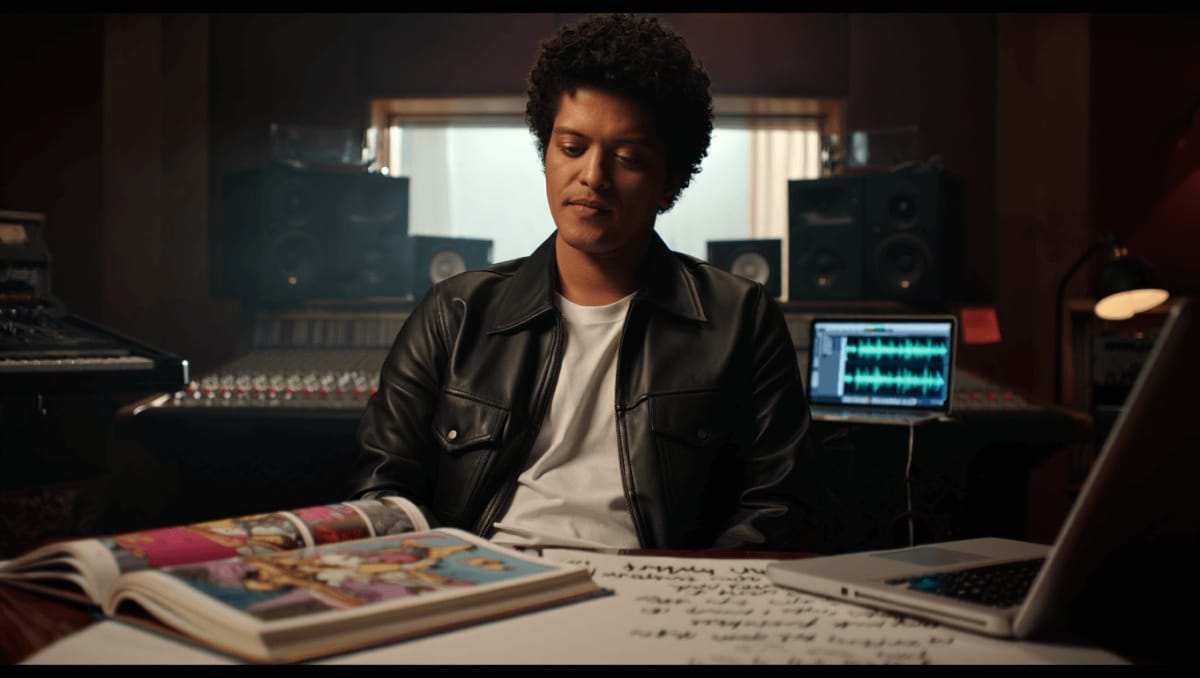
The tune began as a fragment. Bruno Mars had tinkered with a melody and a few lines over months. It was not a finished track. For a while, it sat among other incomplete ideas. Then an external spark shifted everything.
Nas slams music industry over disrespect: teases new music, vows to address it
1992 vocal performances: 3 jaw-dropping moments that still amaze
Bruno heard about Lady Gaga’s involvement in the film Joker: Folie à Deux. He thought the song might fit her mood for the project. That notion changed the song’s trajectory. What almost became a soundtrack pitch became a full-blown collaboration instead.
From soundtrack curiosity to duet: the pivot that saved the song
The original plan was modest. The song might appear in a soundtrack or on a concept project tied to the film. When that plan fell through, Bruno kept at the tune. Producers and co-writers saw potential and kept developing it.
- Initial idea: A sparse guitar ballad, intimate and cinematic.
- Movie connection: The Joker sequel placed Gaga on the radar.
- Plan B: Finish the song with Bruno at the center and seek a top-tier duet partner.
What pulled Lady Gaga into the studio
Once the song was shopped around, Gaga responded quickly. She connected with the chord progression and learned it on the spot. Those early studio moments would define the record’s chemistry.
The producers noticed something rare. Gaga treated the tune like a musician discovering a new piece. She sat at the piano. She wrote down chords. She dove in with the kind of focus that signals something special is happening.
Studio scenes: collaboration, spontaneity, and unexpected magic
Veterans in the room compared the vibe to legendary recording sessions. The track grew in a live, improvisational way. Musicians traded parts. Vocals bounced back and forth. The record benefited from that immediacy.
Who was in the room
- Bruno Mars — songwriter, vocalist, and creative driver.
- Lady Gaga — co-vocalist and instrumental contributor.
- James Fauntleroy — songwriter and producer.
- Dernst “D’Mile” Emile II — producer and arranger.
- Andrew Watt — guitarist and session leader.
The combination brought a live-band energy. At times everyone picked up guitars while Gaga held down the piano. The room echoed with collaborative decisions. That dynamic pushed the arrangement past its demo stage.
Why the team knew they had a hit
People who worked on the record noticed a change in the moment it shifted from rough sketch to performance. It was clear the song had emotional heft. It also had broad appeal.
- Catchy, singable hook that fit both artists’ strengths.
- Minimal production that highlighted voices and melody.
- Emotional resonance suitable for radio and streaming playlists.
The results spoke for themselves: the single won a Grammy and sustained an unusually long run in the public ear. It spent weeks on charts and earned a lasting place in both artists’ catalogs.
Chart life, accolades, and the song’s lasting footprint
After release, “Die With a Smile” climbed steadily. Radio embraced it. Streaming playlists added it. The single’s longevity surprised many, including members of the creative team.
- Chart performance: a multi-week presence on the Billboard Hot 100.
- Critical response: praise for vocal interplay and songwriting craft.
- Awards: recognition from the Grammys and industry groups.
The track’s success reinforced Bruno Mars’s reputation for turning small ideas into major songs. It also highlighted Gaga’s versatility and willingness to dive into collaborative moments.
The production story: key creative moves and technical choices
Producers took care to preserve the song’s intimacy. The arrangement stayed uncluttered. That choice allowed the vocal performances to carry weight.
- Strip back instrumentation to acoustic guitar and piano foundations.
- Build vocal harmonies that showcase both leads.
- Record with live takes to keep emotional honesty.
These decisions made the finished record feel immediate. It sounded like a song recorded in a single room, not a patchwork of files. That authenticity resonated with listeners.
Lessons from the track’s journey for songwriters and producers
This single’s path offers a few clear takeaways for creators. First, save your demos. Second, stay open to unexpected collaborations. Third, prioritize performance over polish when emotion matters more than perfection.
- Save ideas: a nearly discarded demo can become a global hit.
- Stay flexible: a rejected soundtrack placement can lead to a better outcome.
- Focus on feeling: raw performances often connect deeper than technical fixes.










