
Show summary Hide summary
- Where the story picks up: career pressure and a case gone wrong
- A theft, a chase, and a family with power
- Marsh Market and the city’s hidden segregation
- How the sequel reframes prejudice beyond personal bias
- Character work, humor, and musical moments
- Ambition, limits, and what the film doesn’t fully explore
- Release and cultural footprint
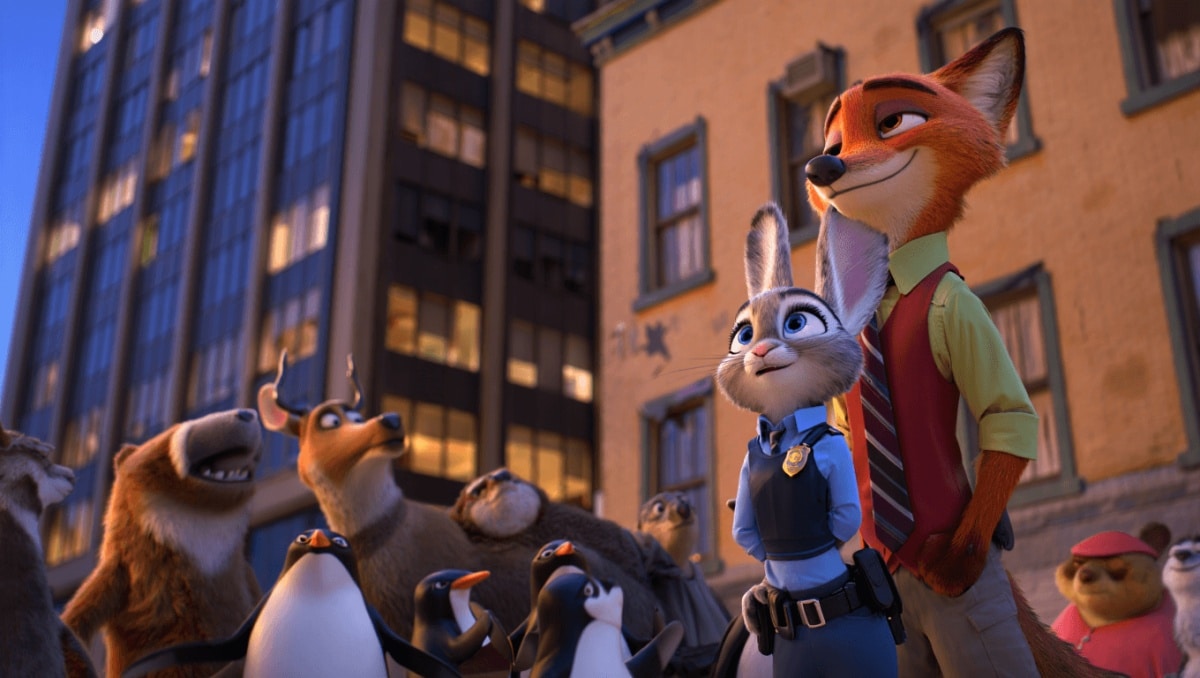
When Disney brought Judy Hopps and Nick Wilde back to the screen, the sequel arrived with the same playful energy and a sharper focus on how prejudice can be woven into a city’s design. Zootopia 2 mixes buddy-cop banter with a mystery that forces the characters — and the audience — to confront old biases in new ways.
Where the story picks up: career pressure and a case gone wrong
Judy and Nick return as celebrated but restless officers in the ZPD. Fame hasn’t fixed their personal faults. Judy still seeks validation. Nick hides deeper wounds behind cool detachment.
Nas slams music industry over disrespect: teases new music, vows to address it
1992 vocal performances: 3 jaw-dropping moments that still amaze
- What starts as a routine assignment escalates into a public failure.
- The partners are enrolled in a ZPD therapy program for officers who work together.
- That mandated time together exposes cracks in their partnership.
The film uses this setup to explore how success doesn’t erase personal trauma. Their relationship is fun and funny. But stress and unresolved hurt push them into risky choices.
A theft, a chase, and a family with power
The plot accelerates when Judy and Nick cross paths with Gary De’Snake, a pit viper on the run. He has stolen an old Lynxley family journal.
The Lynxleys are an influential lineage tied to Zootopia’s founding. Their desire to recover the journal turns a small theft into a citywide threat for Gary and anyone associated with him.
- Nick hesitates to get involved because of his past.
- Judy believes helping Gary is the right move.
- The partners’ moral divide deepens as danger mounts.
The chase and the journal reveal hidden histories and force characters to choose between safety and justice.
Marsh Market and the city’s hidden segregation
Zootopia 2 opens a new corner of the metropolis: Marsh Market. It’s a neighborhood formed by reptiles, aquatic animals, and semiaquatic mammals.
Marsh Market exists because it was cut off during Zootopia’s creation. That separation gave its residents unique culture and autonomy. It also kept them physically apart from the city’s mainstream.
Urban design as discrimination
The film uses the neighborhood to show how planning choices can create inequality.
- Infrastructure and zoning decisions isolate Marsh Market.
- The city’s leadership treats reptile areas with suspicion or contempt.
- Proposals to expand other districts threaten to erase entire communities.
The antagonist pushing the expansion echoes historical figures who reshaped cities at the expense of marginalized neighborhoods.
How the sequel reframes prejudice beyond personal bias
The first Zootopia focused on stereotypes, microaggressions, and everyday bias. This sequel aims wider.
- It shows how prejudice becomes structural.
- Characters encounter legal and civic obstacles tied to their species.
- The plot connects personal stories to citywide policies.
The result is a darker, more systemic look at discrimination. The film suggests that changing hearts is not enough if laws and urban plans keep inequality in place.
Character work, humor, and musical moments
Zootopia 2 keeps the franchise’s charm. Judy and Nick’s banter remains central. The movie balances tension with laugh-out-loud moments.
- New supporting characters add comic relief and perspective.
- Action sequences are energetic and family-friendly.
- A returning pop-star cameo delivers another catchy track.
The sequel leans into animal jokes, but those moments never fully distract from its social critique.
Ambition, limits, and what the film doesn’t fully explore
While Zootopia 2 broadens the conversation, it doesn’t unpack every historical or policy detail. The movie keeps its focus on plot momentum and character arcs.
- Redlining-like concepts are hinted at, not fully explained.
- Complex historical parallels remain suggestive rather than exhaustive.
- Some audience members may wish for a deeper civic analysis.
Even so, the film’s willingness to show institutional bias marks growth for the franchise and for mainstream animated storytelling.
Release and cultural footprint
Zootopia 2 arrives in theaters on Nov. 26, aiming to spark conversation while entertaining families.
Its themes about segregation, urban planning, and belonging position the sequel as more than a light-hearted follow-up. It asks viewers to look at how cities are built — and who gets left out.










