
Show summary Hide summary
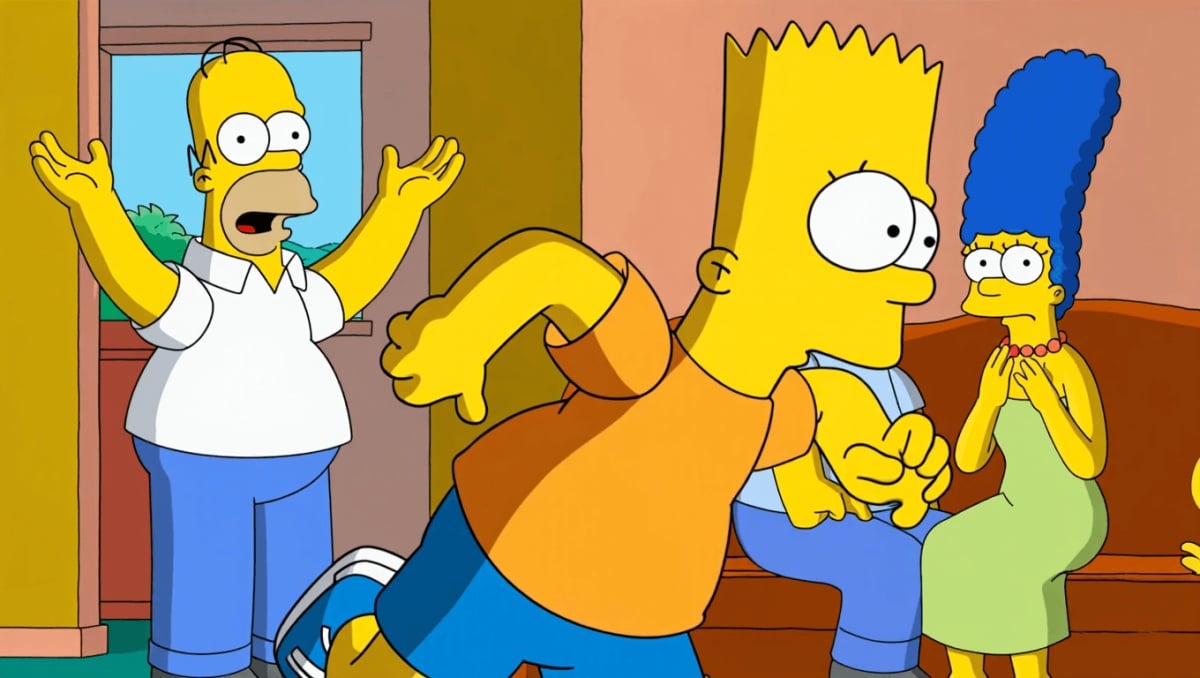
When The Simpsons released its first official music collection in early December 1990, few expected a TV-family album to explode into mainstream pop culture. The record stormed charts, fueled a dance craze, and turned animated characters into bona fide pop stars overnight.
How the album arrived and why it mattered
Released December 4, 1990, The Simpsons Sing the Blues hit shelves during the show’s rise in popularity. It came just weeks after season two began airing, giving fans new material alongside the series’ growing buzz.
Smashing Pumpkins reunite with legendary 90s producer Butch Vig on new Hunger Games track
U.K. terror plot: what we know and why the Gulf remains in limbo
The album blended cover versions with original tracks. That mix widened its appeal beyond TV viewers and into radio playlists and record stores.
Chart performance and commercial impact
The record’s sales were immediate and spectacular. In the U.S., it reached double Platinum within two weeks.
- Lead single “Do the Bartman” became a transatlantic hit.
- The song reached number one on the U.K. singles chart in 1991.
- Its popularity prompted merchandising and imitation from other franchises.
Studios and toy makers noticed. Soon, animated brands from Barbie to the Teenage Mutant Ninja Turtles released tie-in music projects to capture the same momentum.
Big-name collaborators and surprising credits
The album drew contributions from established musicians, adding credibility to a novelty concept.
- Joe Walsh and Buster Poindexter supplied guitar work on a Chuck Berry cover.
- B.B. King played on a rendition of “Born Under a Bad Sign.”
- John Sebastian added harmonica to “Moanin’ Lisa Blues.”
One contribution remained the subject of rumor for years: Michael Jackson’s role on “Do the Bartman.” Executives tried to keep his involvement confidential during contract talks, but the story leaked and amplified interest.
Michael Jackson’s secret role
Jackson provided backing vocals and, according to later accounts, helped write and co-produce “Do the Bartman” under the radar. His name was not publicly attached to the single until years later.
Matt Groening and others were vocal about media speculation at the time, noting the frustration when intentions or rumors were reported as fact.
Bart Simpson, rap, and cultural resonance
Bart’s two rap tracks on the album — including “Do the Bartman” and “Deep, Deep Trouble” — reflected an unexpected cultural connection.
- The character resonated with many young Black fans across the U.S.
- Bootleg Bart T-shirts and urban fandom in cities like New York signaled widespread adoption.
Commentators at the time pointed to Bart’s attitude and slang as part of that appeal. Some music publicists observed that his swagger and irreverence matched traits admired in various youth communities.
Media attention, rumors, and public reaction
Press coverage of the album often centered on guests and gossip. Leaks about famous contributors only increased sales momentum.
Public conversations mixed praise for the music with debates about commercialism and identity. The album’s success made both supporters and critics take notice.
Production notes and behind-the-scenes anecdotes
Producers and writers adapted character voices into pop and blues idioms. The approach combined sitcom comedy with bona fide studio craftsmanship.
- Session musicians were recruited for authenticity.
- Writers aimed to honor blues and rock traditions while keeping the Simpsons’ humor.
The end result was a crossover record that worked as both a novelty and a serious musical effort.
Photo by Rodin Eckenroth/WireImage











