
Show summary Hide summary
- Allegations that Biggie’s funeral costs were shifted to the late rapper’s estate
- Details about the funeral and who attended
- Claims about attempts to alter Biggie’s record deal after his death
- Who Kirk Burrowes is and why his testimony carries weight
- Public reaction, documentary impact, and Diddy’s response
- How the documentary pieces testimony and archive material
- Legal, ethical, and legacy implications debated in the wake of the show
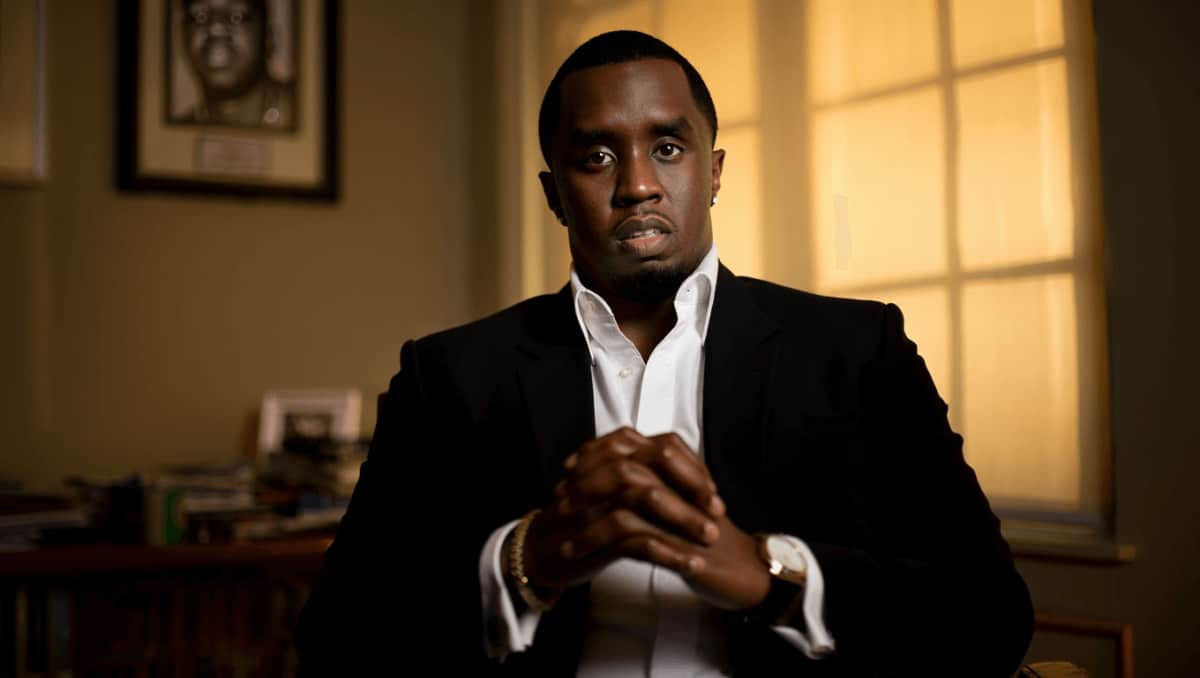
Netflix’s new series Sean Combs: The Reckoning has reignited debate over Diddy’s legacy. Former Bad Boy insider Kirk Burrowes levels sharp accusations, claiming the public image of a loyal friend to The Notorious B.I.G. hides a very different reality. The program mixes testimony and archival footage, and the allegations are pushing the documentary to the center of intense public scrutiny.
Allegations that Biggie’s funeral costs were shifted to the late rapper’s estate
One of the most explosive claims in the series is that Combs arranged a high-profile funeral and then tried to make the expenses a charge against Biggie’s estate. Sources in the episode say the event was billed in a way that benefited the Bad Boy brand while placing the financial burden on the deceased artist’s heirs.
Nas slams music industry over disrespect: teases new music, vows to address it
1992 vocal performances: 3 jaw-dropping moments that still amaze
- Claim: Funeral expenses were presented as recoupable from Biggie’s estate.
- Impact: If true, the arrangement would mean the deceased’s family covered costs for an event that raised Combs’ public standing.
- Context: The memorial was large and star-studded, amplifying the stakes of who paid for it.
What Burrowes specifically alleges
Burrowes describes conversations where the funeral was framed as a massive public display. He says Combs insisted on the spectacle but proposed that the costs be accounted to Biggie’s earnings after death. The former partner claims he refused to go along with those changes and was dismissed weeks later.
Details about the funeral and who attended
The Brooklyn memorial took place on March 18, 1997, and drew major names from hip-hop and R&B. The scale of the ceremony made it a defining cultural moment, and the guest list underscored Biggie’s influence.
- Faith Evans
- Lil’ Kim
- Mary J. Blige
- Busta Rhymes
- Voletta Wallace, Biggie’s mother
- Sean Combs among many other celebrities
Claims about attempts to alter Biggie’s record deal after his death
Beyond funeral billing, Burrowes alleges efforts were made to change Biggie’s contract terms once he was no longer able to object. The accusation suggests executives tried to shift rights and financial arrangements to favor the label.
- Alleged contract revision proposals after the artist’s death.
- Avoiding open notice to the family, according to the testimony.
- Resistance from colleagues who felt the moves were improper.
Why those contract changes would matter
Modifying an artist’s agreement posthumously can affect royalties, control over music, and future earnings assignments. Burrowes’ account paints such moves as strategic for the company but potentially harmful to the artist’s survivors.
Who Kirk Burrowes is and why his testimony carries weight
Burrowes co-founded Bad Boy and worked closely with artists and executives during the label’s rise. His perspective is presented in the documentary as insider testimony from someone who witnessed business dealings firsthand.
- Role: Former Bad Boy executive and co-founder.
- Reputation: Seen by some peers as a credible, longtime industry figure.
- Relevance: He offers context about internal choices and label strategy in the 1990s.
Public reaction, documentary impact, and Diddy’s response
The series has drawn wide attention and stirred debate online. Those who view the program say it uncovers troubling patterns. Others question the motivations behind releasing archived material.
Combs has pushed back, arguing the filmmakers included footage that was not authorized for public use. The production credits include 50 Cent as a producer, a detail fueling additional headlines and commentary.
- Reaction: Social media and press coverage surged after the episodes aired.
- Defense: Diddy claims some footage was published without permission.
- Producer role: 50 Cent’s involvement is a frequent talking point in reactions.
How the documentary pieces testimony and archive material
The Reckoning blends interviews, archival clips, and on-camera recollections. That mix aims to map a narrative of relationships, business moves, and contested memories surrounding a pivotal era in hip-hop.
- Interview excerpts from former executives and artists.
- Archival footage showing public statements from the period.
- New commentary about decisions made during the aftermath of Biggie’s death.
Questions the series raises for fans and industry watchers
Viewers and critics are asking whether industry power dynamics were abused and how much of a role image and branding played in decisions tied to the artist’s legacy. The documentary prompts renewed interest in legal and ethical issues around posthumous releases and estate management.
Legal, ethical, and legacy implications debated in the wake of the show
Experts and commentators are analyzing possible legal angles, including estate law and contractual obligations. The series also sparks broader ethical debates about how the music industry handles artists after they pass.
- Estate accountability for costs connected to a deceased artist.
- Proper notice and consent when contracts are altered posthumously.
- The role public spectacle plays in shaping an artist’s legacy.










