
Show summary Hide summary
- How Juelz Santana framed the controversy about reading and money
- Charlamagne Tha God’s pushback: reading as empowerment
- Are audiobooks a substitute for reading? The middle ground
- Parenting and the cultural value of bedtime reading
- Financial literacy vs. basic literacy: linked, not separate
- Voices beyond the microphone: educators and community leaders weigh in
- What the debate reveals about learning in the digital age
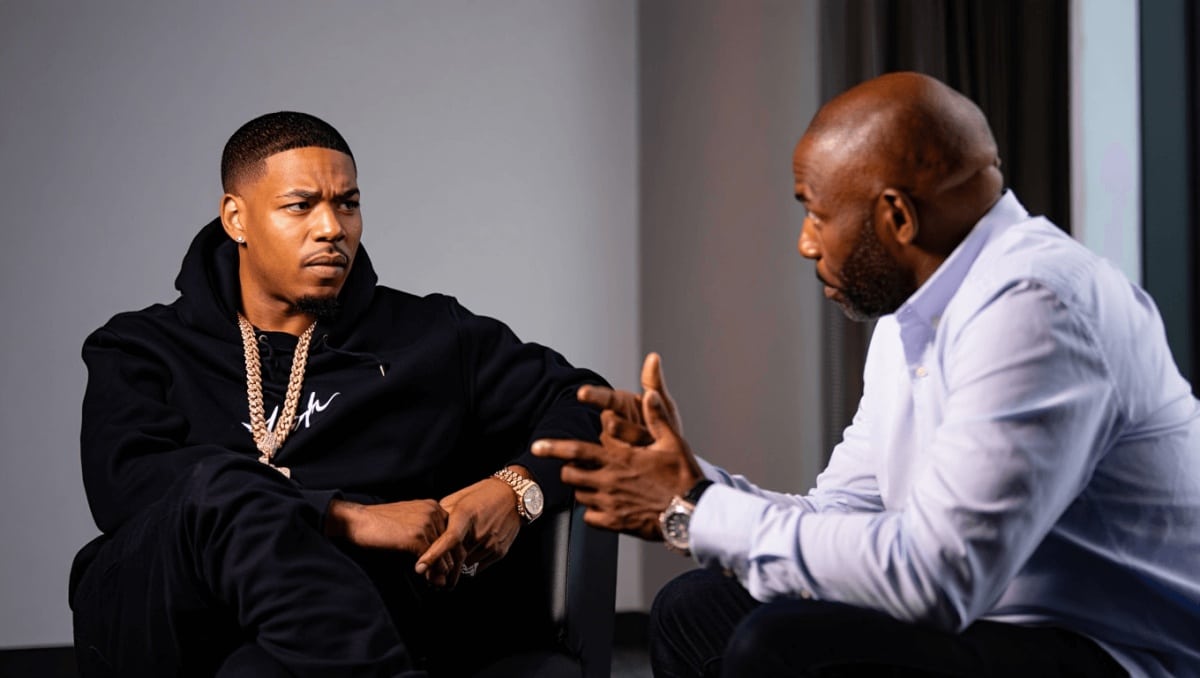
When a well-known rapper suggested that reading can take a back seat to financial smarts, the comment ignited a heated exchange that cut across pop culture and education debates. The back-and-forth between Juelz Santana and radio host Charlamagne Tha God has reopened questions about how people learn, what counts as literacy today, and whether audiobooks and apps can replace traditional reading.
How Juelz Santana framed the controversy about reading and money
On a recent episode of a popular podcast, Juelz Santana argued that understanding numbers and business matters matters most. He suggested traditional reading is not always essential, pointing to audio and video as viable alternatives. His stance was blunt: if you can follow financial concepts, some forms of reading are optional.
Nas slams music industry over disrespect: teases new music, vows to address it
1992 vocal performances: 3 jaw-dropping moments that still amaze
That position touched a nerve. Critics said it downplayed core skills teachers and literacy advocates have long promoted. Supporters of Santana noted the rise of multi‑modal learning and pointed to modern tools that deliver information without text.
Charlamagne Tha God’s pushback: reading as empowerment
Charlamagne responded forcefully on air, insisting literacy is foundational to independent thinking. He argued that relying solely on translated or curated content—like apps or audiobooks—can make people dependent on others’ interpretations.
“Direct access to source material matters,” he emphasized, saying reading builds comprehension and the ability to interrogate information. He stressed that knowing how to read gives people the tools to verify claims and form original judgments.
Are audiobooks a substitute for reading? The middle ground
Technology has expanded how we consume books. Audiobooks, podcasts, and video essays let people learn in ways that fit busy lives. But the debate is not purely binary.
- Pros of audio: convenience, multitasking, accessibility for people with visual impairments.
- Cons of audio: potential loss of deep comprehension and reduced ability to reference exact phrasing.
- Complementary approach: many educators recommend combining listening with text to reinforce retention.
Both sides agree that context matters. For some tasks, listening is enough. For others, reading text remains crucial for critical analysis.
Parenting and the cultural value of bedtime reading
The exchange moved beyond abstract arguments when Charlamagne appealed to family life. He pointed out that reading aloud to children carries emotional and cognitive benefits that money can’t replace.
Bedtime stories, shared reading, and early literacy activities shape vocabulary and curiosity. Those moments also foster bonds that go beyond information transfer.
Financial literacy vs. basic literacy: linked, not separate
The core of the dispute is not really about ranking skills. Instead, it’s about how different competencies support each other.
- Financial literacy builds on numeracy and comprehension.
- Strong reading skills enable people to interpret contracts, terms, and regulations.
- Multimodal learning can accelerate exposure but may not replace foundational skills.
Many observers argue that teaching entrepreneurship and money management early is valuable. Still, most agree those lessons are stronger when students can read, question, and research independently.
Voices beyond the microphone: educators and community leaders weigh in
Teachers and literacy advocates have used the discussion as a reminder that reading instruction remains central in classrooms. They point to data linking early reading proficiency with later academic and economic outcomes.
Community figures often stress access: books, libraries, and quiet reading time are unevenly distributed. Some see Santana’s comments as a prompt to invest in varied learning tools while ensuring basic literacy is not sidelined.
What the debate reveals about learning in the digital age
The spat highlights a broader cultural tension: screens and audio make knowledge more accessible, but they also change how comprehension develops. As AI, apps, and multimedia grow, questions arise about which skills we teach first and how.
Policymakers and parents face choices: emphasize classic literacy, adapt curricula to new formats, or blend both approaches. The conversation around Santana and Charlamagne is one example of that larger shift.










