
Show summary Hide summary
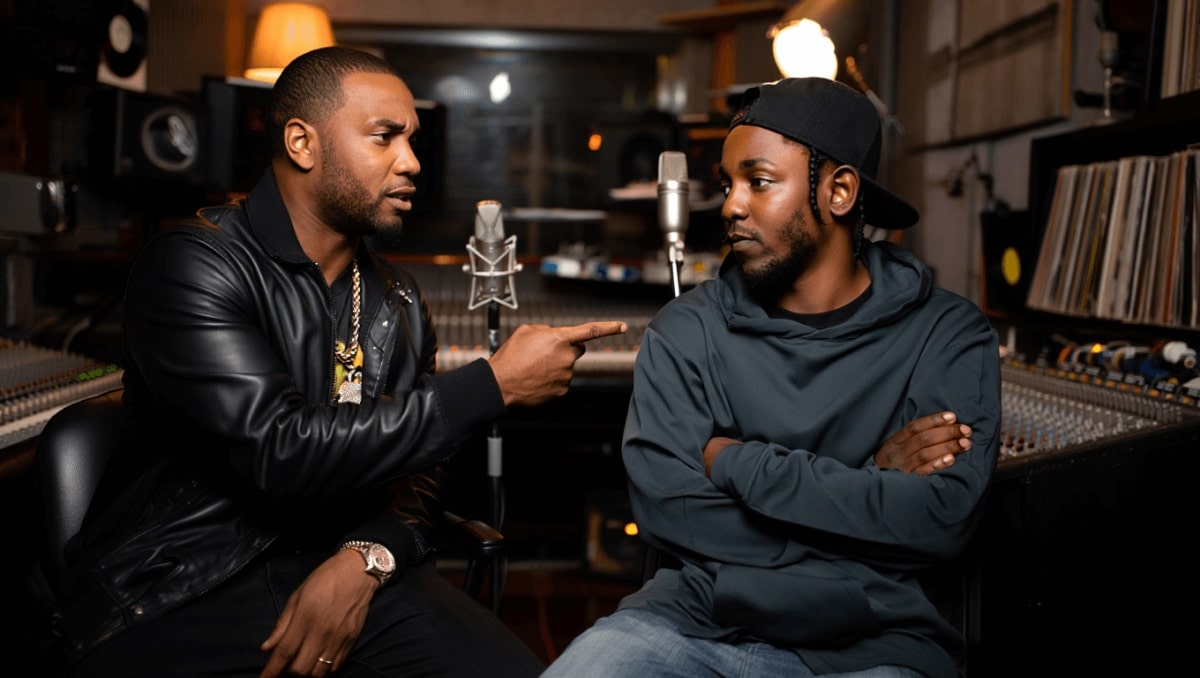
Compton veteran The Game is stirring conversation again. During a recent chat on Big Boy’s Neighborhood, the rapper criticized the current crop of mainstream hip-hop and positioned himself as a central figure in West Coast rap. His remarks about the genre’s direction, his place in history, and a surprising claim involving Kendrick Lamar ignited reactions online.
Why The Game says modern hip-hop “misses the mark”
While many observers celebrate hip-hop’s diversity, The Game painted a different picture. He argued that mainstream rap lacks depth and originality. The remarks arrived as he promoted his forthcoming album The Documentary 3.
Nas slams music industry over disrespect: teases new music, vows to address it
1992 vocal performances: 3 jaw-dropping moments that still amaze
He framed the moment as a crossroads, suggesting contemporary trends have weakened the culture’s standards. At the same time, he used the opportunity to remind listeners of his past contributions to the genre and to the West Coast scene.
- He cited his catalog and past influence on Los Angeles artists.
- He suggested he carried West Coast rap during lean periods.
- He positioned himself as both critic and veteran defender of the art form.
Claiming a spot among West Coast legends
The Game didn’t stop at criticism. He also placed himself alongside iconic California figures. In his telling, his legacy belongs in the same conversation as Snoop Dogg, Ice Cube, and Dr. Dre.
This comparison underlines his bid for historic recognition. By invoking those names, he tied his personal brand to the region’s most influential artists.
His version of the Kendrick Lamar story
Another provocative element of the interview involved Kendrick Lamar. The Game described seeing Kendrick’s potential early and said he attempted to sign him when the opportunity arose.
He claimed he recognized Kendrick’s talent before many others and wanted him on his roster. According to his account, he asked TDE’s leadership to let him sign the young rapper, but that request was refused.
Why this claim matters
The suggestion that The Game tried to recruit Kendrick adds a layer to the narrative about talent discovery in Los Angeles. It also raises questions about how affiliations and decisions shaped Kendrick’s path to stardom.
Pushback from TDE affiliates and social media
Not everyone accepted The Game’s version. Voices close to TDE disputed his story, and the pushback came fast on social platforms.
- TDE’s former head of security reacted publicly.
- Critics accused The Game of seeking credit he didn’t earn.
- Debate spread across Instagram and entertainment blogs.
Such disputes are common when legends and emerging stars collide. Fans and insiders often clash over who played which role in an artist’s rise.
Marketing moves: discounted verses and self-promotion
Parallel to the interview, The Game has been making business moves. He announced a temporary cut to his verse rate, offering substantial discounts for paid features.
On social media, he encouraged artists and fans to message him directly to secure a studio-ready verse. His message mixed bravado with an obvious marketing push.
- He advertised lowered fees to attract more collaborations.
- He emphasized fast turnaround and a signature aggressive style.
- The tactic aims to monetize his name while keeping him in public conversation.
What this episode signals for West Coast rap
The confrontation of opinions highlights two dynamics. First, legacy artists are still asserting influence. Second, younger rappers and their teams guard their own narratives.
The exchange also underscores how reputation and history are negotiated publicly. Interviews, social posts, and discounted services all play a role in shaping perception.










