
Show summary Hide summary
- How Mannie Fresh Sees the No Limit vs. Cash Money Event
- Podcast Replay: What Mannie and Juvenile Discussed About the Night
- Juvenile’s Competitive Side and What It Meant on Stage
- Cam’ron and Other Voices: Why Location Changed the Story
- Why a New Orleans Stage Could Have Changed Perception
- What This Debate Reveals About Verzuz and Legacy Acts
- Practical Changes Artists Are Suggesting for Future Events
Verzuz began as a pandemic-era lifeline: two artists, twenty songs, and a live catalog duel that turned living rooms into front-row seats. What started as celebration soon became a kind of contest. Now, veterans from New Orleans are arguing the clash missed its original point — and that the setting reshaped the way fans read the moment.
How Mannie Fresh Sees the No Limit vs. Cash Money Event
Mannie Fresh says the online reaction missed what the event was built to be. He framed the matchup as a celebration of two catalogs, not a winner-take-all fight. That distinction, he insists, matters for legacy artists.
Nas slams music industry over disrespect: teases new music, vows to address it
1992 vocal performances: 3 jaw-dropping moments that still amaze
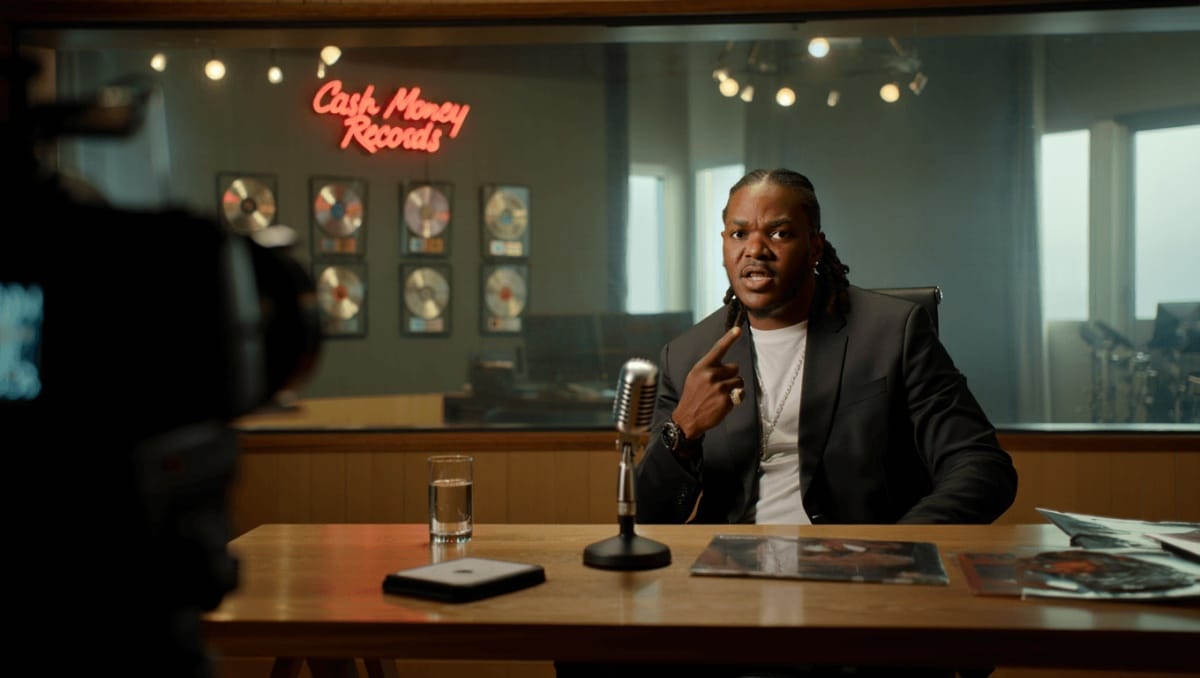
On the new podcast Still 400 — The Mannie & Juvie Show, he pushed back on the idea that the evening was a battle. Instead, he described the gathering as a showcase of New Orleans musical power. “It was never supposed to be a battle,” he said, emphasizing the communal roots of both Cash Money and No Limit.
Mannie also reflected on the location. The event happened at ComplexCon in Las Vegas, a festival with a broad, fashion-forward crowd. He believes that choice shifted the narrative. He said a hometown stage could have changed the reactions and preserved the celebratory tone.
Podcast Replay: What Mannie and Juvenile Discussed About the Night
The conversation between Mannie and Juvenile dug into the immediate fallout and the feelings behind their performances. They unpacked audience behavior, media framing, and how expectation shaped perceptions.
Key points from the episode
- Mannie called out the internet for reframing the night as a contest.
- Both men stressed the cultural weight of their catalogs.
- They agreed the crowd in Vegas didn’t fully grasp the local history behind the matchup.
Throughout, Mannie focused on context. He argued that when two New Orleans institutions share a stage, the primary intention should be catalog reverence. That, he suggested, can be lost when a national event treats a legacy moment like a trending showdown.
Juvenile’s Competitive Side and What It Meant on Stage
Juvenile admitted he brought a competitive energy to the night. He described himself as someone who always wants to win, whether on the court or onstage. That mindset influenced his song choices and delivery.
He also pointed to teammates and friends who hyped the evening up in real time. Their energy fed his performance. Still, Juvenile agreed that a local crowd would have read the nuances differently — and perhaps more lovingly.
“I came with that winning attitude,” he explained, noting that competition didn’t erase the mutual respect between the artists.
Cam’ron and Other Voices: Why Location Changed the Story
Cam’ron, speaking on his Talk With Flee podcast, echoed the central critique: location mattered. He praised ComplexCon for the platform, but said many attendees didn’t understand what they were watching.
According to Cam’ron, the setting diluted the historical significance. The festival crowd included people who mistook a legacy celebration for an ordinary celebrity matchup. That absence of context, he said, contributed to online arguments about who “won.”
Why a New Orleans Stage Could Have Changed Perception
Both Mannie and Juvenile argued that a hometown crowd would have offered a different energy. Here’s why they think it would matter:
- Local fans know the backstory of Cash Money and No Limit.
- Home crowds react to lyrical callbacks and regional references.
- Southern audiences bring a cultural memory that transforms performance into ritual.
- Smaller, informed crowds limit surface-level reads and viral misinterpretations.
They suggested a split-site approach — holding events in each artist’s city — could restore the context that festivals sometimes strip away. That format would center community and history over spectacle.
What This Debate Reveals About Verzuz and Legacy Acts
The exchange points to larger questions about how hip-hop archives are curated for mainstream platforms. Verzuz rose because it let artists demonstrate the depth of their work. But when production choices and a viral ecosystem take over, the original aim can be obscured.
Producers and fans now face trade-offs. Bigger venues and crossover crowds bring exposure. But they also risk reframing archival moments into binary competitions. Mannie, Juvenile, and others in the culture are asking for balance: preserve the reach without erasing the history.
Practical Changes Artists Are Suggesting for Future Events
- Choose venues tied to artists’ origins.
- Include contextual prefaces that educate casual fans.
- Invite local acts to open and narrate the catalogs.
- Use split-city runs to spotlight both fanbases.
These adjustments, the artists argue, would help audiences appreciate the catalogs on display. They would also reduce the viral impulse to treat every meeting as a gladiator match.










